When it comes to Deadline Sheave Assembly, precision is crucial. Industry expert John Smith emphasizes, "Proper assembly can significantly enhance operational efficiency." Understanding this process is vital for optimal performance in equipment that relies on deadline sheaves.
The assembly of deadline sheaves involves several intricate steps. Each component must be precisely aligned to prevent mechanical failure. Misalignment can lead to excessive wear or operational delays. It’s essential to ensure every piece fits seamlessly.
In practice, even experienced technicians may encounter challenges during the assembly. For instance, subtle miscalculations often go unnoticed until problems arise. Regular inspections can help identify potential issues early. This focus on detail enhances reliability and performance, ensuring the equipment meets industry standards.
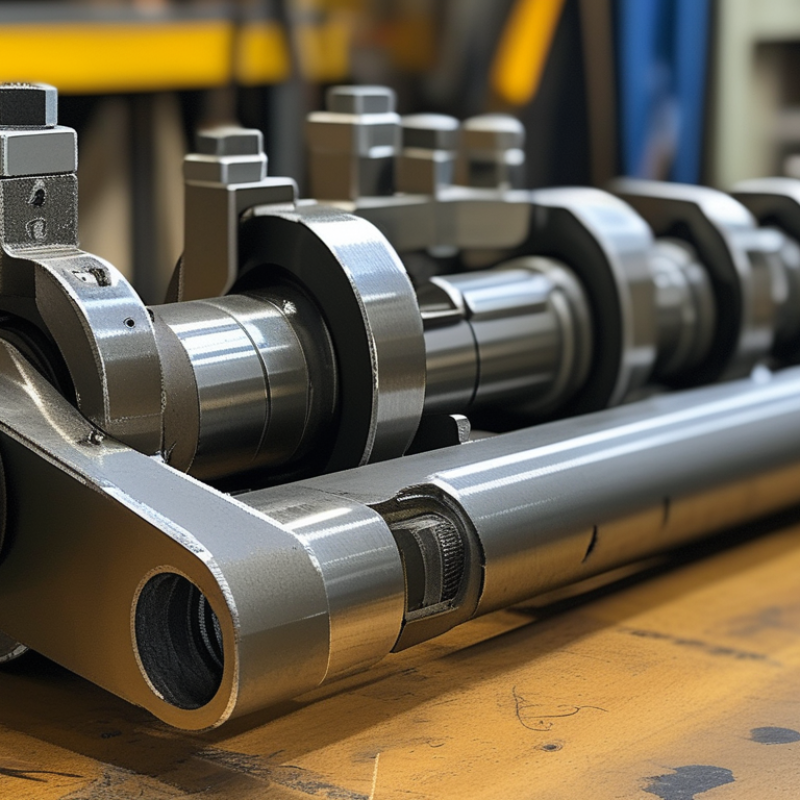
Assembling a deadline sheave requires a clear understanding of its components. The main parts include the sheave wheel, bearings, and the frame. Each piece plays a vital role in ensuring efficiency during operation. For instance, the sheave wheel determines how smoothly the line moves. If it is damaged or worn, it can cause significant issues during use.
Bearings are another essential component. They allow smooth rotation and minimize friction. Choosing the right type of bearing is crucial. Some may not handle heavy loads well or might wear out quickly. A mismatch here can lead to malfunction. It’s important to evaluate the load requirements and select bearings accordingly.
Lastly, the frame provides structural integrity. A sturdy frame prevents misalignment, which can create additional wear on the sheave. Sometimes, users overlook the frame's condition, only to find it compromised during high-stress operations. Regular checks on each component can prevent unexpected failures. Inspecting every part ensures the deadline sheave operates at its optimal performance level.
: The main components include the sheave wheel, bearings, and frame. Each part is vital for efficiency.
Bearings enable smooth rotation. Choosing the right type prevents functionality issues and premature wear.
The frame provides support and prevents misalignment. A compromised frame causes additional wear and performance issues.
High-strength steel and premium-grade polymers are ideal. Low-cost materials may lead to functional problems.
Coatings reduce friction and enhance durability. They can improve lifespan significantly but vary in effectiveness.
Weight affects handling and efficiency. A balance between weight and strength is crucial for performance.
Inspect all components for defects. Even small imperfections can lead to performance problems later.
Bearings must fit snugly, but not too tight. Loose or overly tight bearings cause performance issues.
Loose parts can lead to vibrations. Inspect connections carefully to avoid bigger problems later.
Reflect on past assemblies. Learning from mistakes can help optimize performance and minimize future risks.
The article "How to Assemble a Deadline Sheave for Optimal Performance" provides a comprehensive guide on the essential elements of Deadline Sheave Assembly. It begins with an overview of the various components involved in the sheave assembly, emphasizing the importance of selecting the right materials to ensure durability and efficiency. The step-by-step assembly process is detailed, offering practical insights into how to properly put together the deadline sheave.
Furthermore, the article addresses the crucial phase of testing and adjusting the assembled sheave to achieve optimal performance, highlighting various techniques for fine-tuning. Finally, it concludes with maintenance tips that ensure the longevity and reliability of the deadline sheave throughout its operational life. This guide serves as a valuable resource for those looking to enhance their knowledge and skills in assembling and maintaining deadline sheaves effectively.

 MTPM RigParts