When it comes to selecting the best Mud Pump Fluid End options, buyers face numerous challenges. The right choice can significantly impact drilling efficiency and cost-effectiveness. Many global buyers struggle with understanding their specific needs. They often inquire about durability, compatibility, and performance.
Mud Pump Fluid Ends are critical components in drilling operations. They must withstand harsh conditions and heavy wear. Selecting the best option depends on various factors, including material quality and design. Some buyers may overlook these details, leading to costly mistakes.
In a market filled with options, expertise is vital. Buyers should consult with industry professionals to ensure they make informed decisions. Learning from past experiences can also lead to better outcomes. Ultimately, understanding the balance between cost and quality is crucial for success.
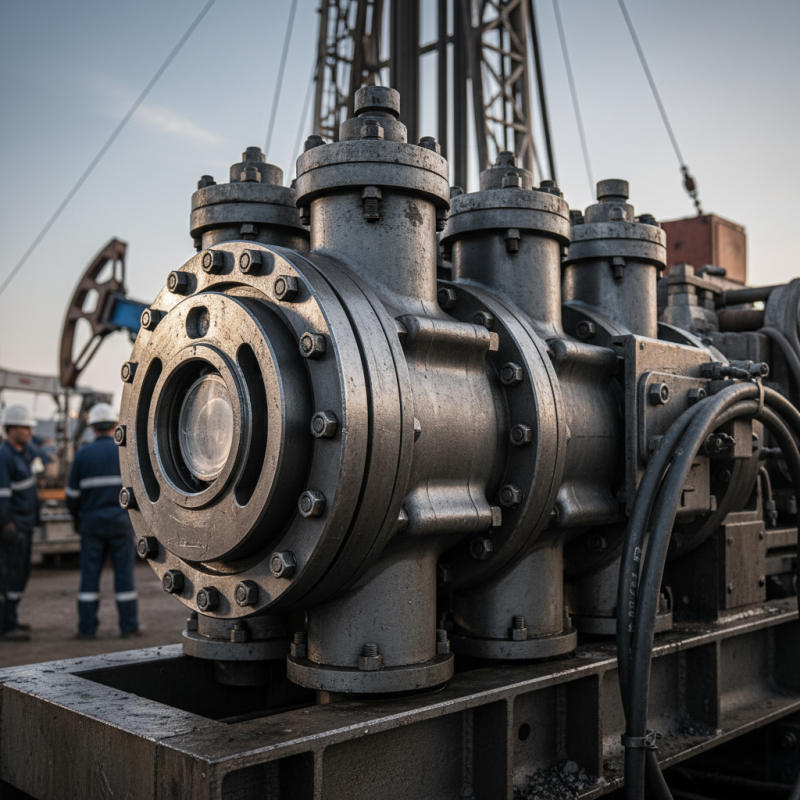
Mud pump fluid end components play a crucial role in drilling operations. They are responsible for circulating drilling fluids and maintaining pressure within the system. Key components include liners, pistons, and valves. Each of these parts needs to perform reliably under extreme conditions, which makes their selection critical for drilling efficiency.
Liners are often made from hard metals or composite materials. They must withstand abrasive drilling fluids. According to industry reports, the selection of a suitable liner can increase pumping efficiency by up to 15%. However, improper material choices may lead to quicker wear and tear, impacting overall performance.
Tips: Regular maintenance of the fluid end components can help mitigate wear. Monitor the performance metrics closely. Understanding the specific drilling conditions can guide component selection.
Pistons are vital for creating pressure and moving fluid through the system. The efficient design of a piston can enhance the overall fluid dynamics. However, if a piston experiences failure, it can lead to costly downtime. Choosing high-quality materials is essential, yet some buyers might overlook this aspect, resulting in unforeseen consequences.
Tips: Evaluate the lifecycle costs of different materials. Investing in durable options can save money in the long run. Always consider the operational environment during component selection.
The global demand for mud pump fluid ends continues to rise. This is largely driven by the growth in drilling activities, particularly in emerging markets. As oil and gas companies expand their operations, they seek durable and efficient fluid ends. These components are critical for the effective management of drilling fluids.
Recent studies show that buyers prioritize different features in fluid ends. Some focus on longevity, while others emphasize cost-effectiveness. The variety of materials available also plays a role in the selection process. Buyers need to be aware of the trade-offs involved. Sometimes, the cheapest option may not deliver the expected performance under high-pressure conditions.
Understanding local market needs is vital for suppliers. Issues like material availability and labor costs vary by region. Companies must adapt their strategies accordingly. Reflecting on these factors can lead to better decision-making. Adapting to regional requirements may enhance customer satisfaction and lead to repeat business. A one-size-fits-all approach often fails in this diverse market landscape.
When selecting mud pump fluid ends, material choice significantly impacts performance and durability. Common materials include steel, chrome, and ceramic composites. Each comes with distinct advantages and potential drawbacks.
Steel offers excellent strength. However, it may corrode over time, leading to costly replacements. Chrome is resistant to wear, but it can be expensive and may not hold up in harsh environments. Ceramic composites provide excellent longevity and resistance to abrasives, yet they can be brittle, causing unexpected failures.
Tip: Always assess the operational environment before choosing materials. Factors like temperature and pressure can influence performance.
Consider the manufacturing processes when evaluating options. Precision in production can minimize defects and increase lifespan. Reports show that poorly manufactured components can reduce efficiency by up to 15%. Many users overlook this, focusing solely on the materials instead.
Tip: Regular inspections can identify wear before it leads to system failure. Investing in quality may save money in the long run.
The mud pump fluid end market is evolving rapidly. Key manufacturers offer a variety of options tailored to different drilling needs. According to a recent industry report, the global mud pump market is projected to reach $XX billion by 2025, growing at a CAGR of XX%. This growth is driven by the increasing demand for efficient drilling technologies.
Leading manufacturers focus on enhancing durability and efficiency. They provide fluid ends made from advanced materials that withstand harsh drilling conditions. For instance, ceramic coatings and stainless steel components are becoming popular for their resilience. Specialized designs are also emerging, catering to specific challenges in various geographical regions. However, not all options are flawless. Some fluid ends experience quicker wear under certain conditions, necessitating more frequent replacements.
Buyers must weigh these variables. Selection often hinges on the balance between performance and cost-effectiveness. Reports indicate that purchasing decisions are increasingly shaped by total lifecycle costs rather than initial investment. As the market matures, the complexity in choices will also increase, demanding more from buyers in terms of research and understanding.
The mud pump fluid end
is crucial for drilling operations. Recent innovations focus on enhancing
durability and
efficiency.
Advanced materials are now being used. These materials can withstand
extreme pressures and abrasive conditions. This shift improves
reliability in demanding environments.
Design trends highlight modularity.
Modular components allow for easier replacement
and upgrades. This feature reduces downtime. Many mud pumps now have features
that promote easy maintenance.
This is important for operators looking to minimize costs. However, not all designs
are perfect. Some may still face issues with compatibility.
Performance trends showcase a push for automation.
Automated systems can monitor fluid dynamics in real-time. This innovation aims to
optimize pumping efficiency. Yet, automation may raise concerns about
over-reliance on technology.
Balancing human expertise with technology is essential. Reflecting on these
innovations can guide future improvements in fluid end design.
: The main components include liners, pistons, and valves. Each part plays a vital role in drilling operations.
Liners must withstand abrasive drilling fluids. Choosing the right material can boost pumping efficiency.
Regular maintenance and monitoring performance metrics are essential. Understanding specific drilling conditions helps too.
Piston failure can lead to significant downtime. High-quality materials are crucial to avoid this issue.
Demand is rising due to increased drilling activities. Companies need to balance durability with cost-effectiveness.
Buyers should evaluate lifecycle costs and performance under high pressure. Cheaper options may lead to failures in critical situations.
Material availability and labor costs vary by region. Adapting strategies to local needs can improve customer satisfaction.
Some overlook material quality or focus solely on cost. This can result in poor performance and unexpected expenses.
Reflecting on local market needs and adapting strategies can lead to repeat business. Customization is key in this diverse landscape.
The article titled "Best Mud Pump Fluid End Options for Global Buyers?" provides a comprehensive overview of Mud Pump Fluid End components and their vital roles within the drilling process. It delves into the global market demand for these fluid ends, highlighting the increasing need for efficient and reliable equipment in drilling operations.
Furthermore, the article compares various material options for Mud Pump Fluid Ends, outlining their advantages and disadvantages to help buyers make informed decisions. It also reviews key manufacturers in the market, discussing their offerings and contributions to the industry. Lastly, the piece examines trends and innovations in the design and performance of Mud Pump Fluid Ends, showcasing how advancements are shaping the future of drilling technology. This detailed analysis serves as a valuable resource for global buyers seeking the best options available in the market.

MTPM RigParts