Oilfield drilling depends on a stable mud system, and the liner is one of its most exposed components. Inside a triplex pump, each liner contains repeated piston movement, pressure surges, heat, and abrasive solids. A small surface defect can become a costly leak. Sometimes, the damage starts quietly.
The International Energy Agency’s Oil 2024 report projects global oil demand to approach 104 million barrels per day by 2030. This outlook does not guarantee more drilling everywhere. However, it highlights the continuing need for dependable drilling equipment and disciplined maintenance. Baker Hughes’ international rig counts also show why equipment selection must match changing basin conditions, well depths, and operating schedules. A liner designed for moderate pressure may perform poorly under high-cycle, high-pressure service. The reverse can waste money.
This guide reviews 10 best Mud Pump Liners through practical criteria, including material quality, hardness, dimensional accuracy, pressure capability, cooling performance, and expected service life. It also considers compatibility with common fluid systems and piston designs. API Specification 7K provides an important reference for drilling and well-servicing equipment, while manufacturer data remains essential for final selection. A specification sheet is useful, but it cannot capture every field variable. Poor solids control, incorrect installation, or inadequate lubrication can shorten liner life dramatically.
The rankings are therefore not universal. They are a reasoned comparison.
Readers should verify pressure ratings, bore dimensions, temperature limits, and documentation before purchase. A liner that lasts 1,000 hours in one formation may fail much earlier in another. That uncomfortable detail matters. Reliable performance comes from matching the component to the pump, mud, and real operating environment.
Sources: International Energy Agency, Oil 2024; Baker Hughes, International Rig Count; American Petroleum Institute, API Specification 7K.
Mud Pump Liners: Functions, Structure, and Operating Principles
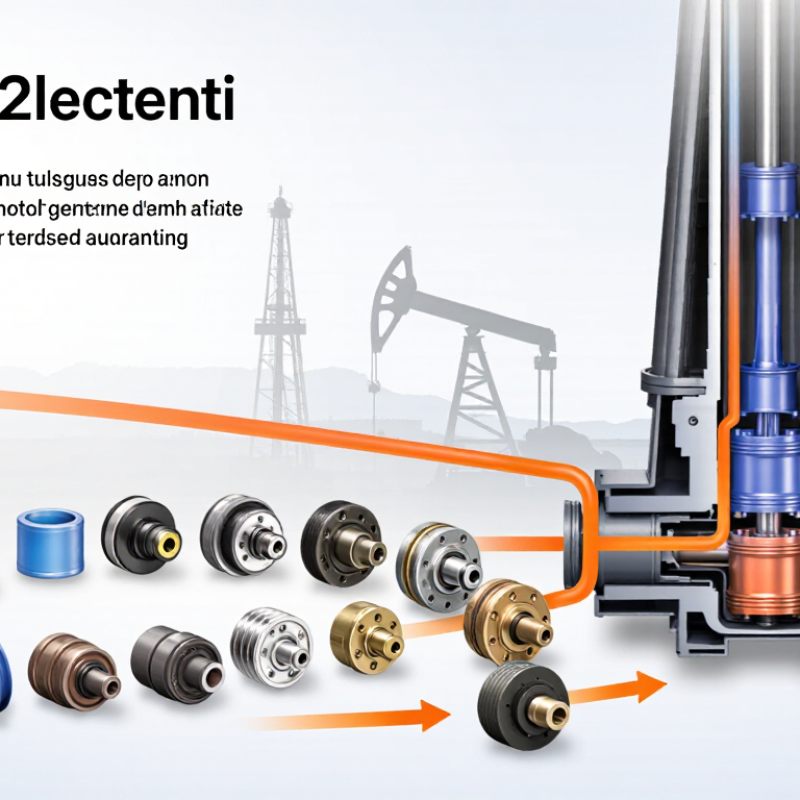
Mud pump liners form the working surface inside a pump fluid end. They guide the piston and contain repeated pressure changes during drilling. Their main functions include supporting efficient fluid displacement, protecting the housing, and helping maintain stable hydraulic pressure. A suitable liner also limits wear when abrasive drilling fluid carries sand or cuttings.
The structure is simple but highly stressed. A replaceable cylindrical sleeve fits inside the fluid chamber, while the piston moves through its bore. Seals around the piston reduce leakage, and valves control fluid entry and discharge. During the suction stroke, the piston moves backward and lowers chamber pressure. The suction valve opens, allowing drilling fluid to enter. During the discharge stroke, the piston moves forward, the suction valve closes, and the discharge valve opens under pressure.
Material selection affects service life. Hardened metal liners can handle impact and heavy-duty loading, while ceramic surfaces often resist abrasion and corrosion more effectively. However, no liner solves every operating problem. Excessive pressure, poor alignment, damaged seals, or unfiltered fluid can shorten its life quickly. Technicians should inspect scoring, pitting, uneven wear, and abnormal temperature during routine maintenance. A rough bore may damage the piston before the failure becomes obvious. Small changes in liner clearance matter. They can increase leakage, reduce pump efficiency, and create unstable pressure at the standpipe.
Key Criteria for Evaluating Oilfield Mud Pump Liner Performance
10 Best Mud Pump Liners for Oilfield Drilling
Key Criteria for Evaluating Oilfield Mud Pump Liner Performance
Selecting a mud pump liner requires more than comparing catalog ratings. Field performance depends on pressure, temperature, fluid chemistry, and operating speed. During inspections, I examine the liner bore for scoring, pitting, cracks, and uneven wear. These marks often reveal problems before production drops.
Material compatibility matters greatly. Abrasive drilling fluids can quickly damage ordinary surfaces, while high temperatures can weaken elastomer components. The liner must tolerate the planned mud system, pressure cycles, and reciprocating load. Dimensional accuracy is equally important. A small mismatch between the liner, piston, and fluid end may cause leakage or accelerated wear. It may seem minor.
Hydraulic efficiency should also guide evaluation. A suitable liner maintains stable discharge pressure without excessive friction or heat. Operators should review service hours, wash patterns, failure history, and inspection records. Visual checks alone can mislead. I have seen liners appear acceptable externally while internal wear had already reduced performance. That experience changed how I assess replacement intervals. Still, operating data can be incomplete, and no scoring method removes every judgment call. Maintenance teams should compare manufacturer specifications with actual field conditions, then monitor pressure fluctuations, vibration, and liner temperature after installation. A short observation period often exposes problems that installation records miss.
Ten High-Performance Mud Pump Liner Options for Drilling Operations
Ten High-Performance Mud Pump Liner Options for Drilling Operations
Mud pump liners control pressure, flow stability, and maintenance intervals. Baker Hughes reported 589 active U.S. rigs at the end of 2024. That activity keeps liner reliability commercially important. Based on API Specification 7K principles, operators should match liners with pressure, speed, fluid chemistry, and temperature.
Ten practical options cover different drilling conditions: chrome-plated steel, ceramic-lined steel, zirconia ceramic, alumina ceramic, carbide-coated, nitrided alloy steel, stainless steel, duplex stainless steel, low-temperature steel, and high-temperature ceramic. Chrome-plated liners suit abrasive mud at moderate cost. Ceramic liners resist wear during extended circulation. Zirconia handles heat effectively. Carbide coatings can protect surfaces from sand-rich fluids. Nitrided alloy steel offers a balanced choice for conventional wells.
Choose carefully. The wrong liner can polish unevenly, trap solids, and increase packing wear. A 2023 IADC technical paper noted that abrasive solids and poor solids control remain major contributors to drilling-equipment wear. Field inspections should record bore ovality, scoring depth, washout location, and actual operating hours. Do not rely on catalog pressure alone. API 7K compliance supports mechanical selection, but it does not replace fluid testing or maintenance records. In my experience, ceramic often lasts longer, yet installation damage can erase that advantage quickly. This is an imperfect comparison. Local mud properties matter more than a simple “best” ranking.
Comparing Liner Materials, Durability, Pressure Ratings, and Costs
Selecting among the 10 best mud pump liners requires more than comparing catalog prices. Ceramic liners usually resist abrasion better than hardened steel liners, especially when drilling with sand-rich or chemically aggressive mud. Hardened steel remains attractive for moderate-pressure work because it costs less and tolerates impact loading. Elastomer-lined options can reduce vibration, but temperature and fluid compatibility require careful checking. The IADC Drilling Manual identifies liner wear, piston fit, and fluid abrasiveness as major variables affecting pump efficiency. That matches field maintenance records: a visibly polished liner can still hide a damaging internal taper.
Pressure ratings must match the complete fluid-end assembly, not the liner alone. API Specification 7K provides equipment requirements, while manufacturers commonly rate heavy-duty triplex systems around 5,000 to 7,500 psi. Actual working pressure should remain below the nameplate limit after accounting for pulsation, temperature, and fatigue. The U.S. Energy Information Administration’s 2024 drilling data shows continued growth in long horizontal wells, increasing circulation time and wear exposure. Durability therefore depends on hours pumped, solids control, and flushing discipline. Replacement costs vary widely, but 2024 industry purchasing benchmarks often place steel liners near 1,000–3,000 dollars and premium ceramic designs several times higher. Cheap is tempting. It is not always economical. A liner lasting 1,500 hours may outperform a cheaper liner lasting 500 hours, although that comparison ignores downtime, installation labor, and unexpected washout risk.
How to Select the Right Liner for Drilling Conditions and Mud Types
10 Best Mud Pump Liners for Oilfield Drilling
How to Select the Right Liner for Drilling Conditions and Mud Types
Choosing among the 10 best mud pump liners starts with the drilling environment, not the catalog. Match the liner’s pressure rating with the pump’s maximum working pressure, not its average pressure. API Specification 7K provides pressure-class guidance for drilling equipment, including 5,000, 7,500, 10,000, and 15,000 psi categories. Leave a practical safety margin. A liner operating constantly near its limit can fail early.
Mud type changes the decision. Water-based mud usually creates moderate wear, while oil-based mud may challenge elastomer compatibility and cooling. Polymer systems can increase friction when solids build up. High-density mud is especially demanding. The IADC Drilling Manual identifies abrasive solids, poor lubrication, and inadequate cooling as recurring causes of pump-component damage. Check the mud density, sand content, chloride level, temperature, and expected flow rate before selecting materials. Small details matter.
A ceramic liner suits severe abrasion, but it may be less forgiving during impact or poor installation. A hardened metallic liner can be easier to service in some field conditions. The piston seal must match the liner surface and mud chemistry. Otherwise, leakage may appear before visible liner damage. I still recheck cooling flow after every liner change. It sounds basic. It is often missed. One field review may suggest a longer service life, yet local solids can overturn that result. Select from measured data, then inspect the wear pattern after the first drilling interval.
FAQS
It controls pressure, flow stability, and maintenance intervals. A worn bore can cause leakage and uneven piston sealing.
Match it with the pump’s maximum working pressure, not average pressure. Keep a practical safety margin. Constant limit operation is risky.
Ceramic-lined steel or zirconia ceramic can resist severe abrasion. Carbide-coated surfaces may help with sand-rich fluids. Results still depend on solids control.
It can suit abrasive mud at moderate cost. It works best under controlled pressure and temperature. Severe impact may shorten its service life.
Check density, sand content, chloride level, temperature, and flow rate. Also review lubrication and cooling conditions. Small measurements matter.
It may be easier to service in remote field conditions. Nitrided alloy steel offers a balanced option for conventional wells. It is not always the longest-lasting choice.
Yes. Poor installation or impact can damage ceramic surfaces quickly. One careless fitting can erase months of expected service.
Record bore ovality, scoring depth, washout location, and operating hours. Inspect the piston seal and cooling flow too. Records are sometimes incomplete.
The seal must match the liner surface and mud chemistry. Poor compatibility may cause leakage before visible liner damage. Check both parts together.
No universal choice exists. Local mud properties often matter more than catalog rankings. I would recheck the first wear pattern before trusting any prediction.
Conclusion
Mud Pump Liners are essential components in oilfield drilling systems, designed to protect the pump cylinder while supporting reliable fluid displacement under demanding operating conditions. This article explains their functions, internal structure, and operating principles, then outlines the key performance criteria used to evaluate liner quality, including wear resistance, pressure capability, thermal stability, sealing performance, service life, and maintenance requirements.
It also presents ten high-performance liner options for drilling operations and compares common material choices according to durability, pressure ratings, operating temperatures, compatibility with drilling fluids, and overall cost. Finally, the article provides practical guidance for selecting the most suitable liner based on formation conditions, drilling depth, pump speed, pressure demands, abrasive solids, corrosive chemicals, and mud characteristics. The goal is to help drilling teams improve equipment reliability, reduce replacement frequency, control operating costs, and maintain consistent performance in challenging field environments.

 MTPM RigParts