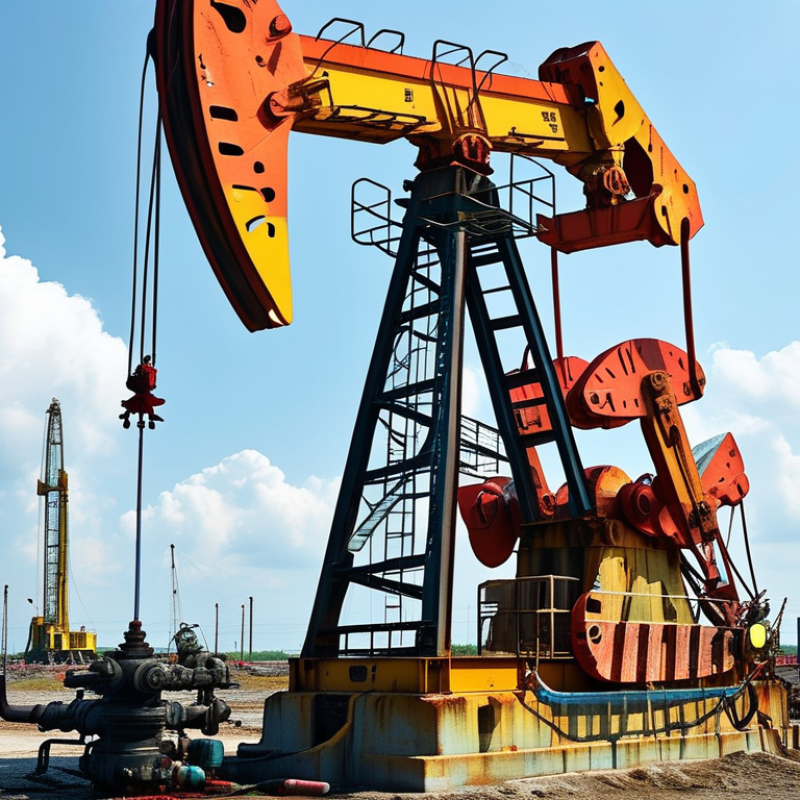
Choosing the right Drilling Rig Pumps is crucial for the success of any drilling operation. As the industry evolves, the demand for high-performance pumps continues to grow. A recent report by the Global Drilling Equipment Association indicates a projected growth rate of 5.8% in the drilling equipment market by 2026. This trend emphasizes the importance of staying updated on the latest standards and technologies.
Expert John Mason, a well-respected name in drilling technology, highlights, "Selecting the appropriate pumps can significantly enhance operational efficiency." His insights remind us of the complexity involved in pump selection. Drilling Rig Pumps are not one-size-fits-all; various factors influence their effectiveness. The geological conditions, depth of drilling, and even the type of fluids being handled can impact your choice.
Considering these variables is essential to avoid costly mistakes. Many companies overlook specific requirements, only to face operational setbacks later. Understanding your unique needs and conducting thorough research is key. The right Drilling Rig Pumps can lead to smoother operations and better resource management in the long run.
When it comes to choosing the right drilling rig pump, understanding the various types available is crucial. There are three main categories: centrifugal, positive displacement, and diaphragm pumps. Each type has its unique advantages and is suited for different drilling conditions. Centrifugal pumps are commonly used for their efficiency and ability to handle large volumes of water. They work best with low-viscosity fluids but might not be the most effective choice for highly viscous materials.
Positive displacement pumps, on the other hand, excel in high-pressure applications. They provide consistent flow rates regardless of the pressure changes. This makes them suitable for challenging drilling environments where precision is needed. However, they may not be as efficient for large volumes compared to centrifugal pumps. It’s important to evaluate the specific requirements of your drilling project, as the wrong choice can lead to operational issues. Reflecting on your needs can save time and costs in the long run.
Diaphragm pumps offer flexibility and can handle a variety of fluids, including slurries and chemicals. This versatility can be a major asset, especially in projects involving different materials. However, they may require more maintenance and careful monitoring to avoid failures. Each type of pump comes with its trade-offs. Taking the time to assess these details can make a significant difference in your drilling operations.
When selecting the best drilling rig pumps, several critical factors must be evaluated. The pump type, whether centrifugal or positive displacement, impacts efficiency and suitability for specific projects. For example, positive displacement pumps are ideal for high-viscosity fluids. According to industry reports, nearly 70% of drilling rig failures stem from using inappropriate pump types.
Another essential consideration is the pump's flow rate and pressure capacity. These specifications directly influence the drilling operation's effectiveness. Research indicates that a pump with inadequate flow can lead to increased downtime, costing companies over $1 million annually. Furthermore, the pump's materials must withstand harsh conditions, particularly corrosive environments typical in drilling sites. Choosing pumps made from durable materials can significantly enhance robustness.
Maintenance needs also play a role in the selection process. Some pumps require frequent servicing and replacement parts, while others offer longer intervals between maintenance. The total cost of ownership is often understated. Companies often fail to account for potential downtime resulting from maintenance issues. Hence, understanding these elements is crucial in making an informed decision.
When evaluating pump performance metrics for drilling operations, multiple factors demand attention. The flow rate is vital; most drilling operations require pumps that can sustain a flow rate of 300 GPM or higher. Inadequate flow can lead to inefficiencies, affecting drilling speed and accuracy. Another crucial metric is pressure. Pressure ratings should align with the specific depths and geological formations being drilled. Often, pressures exceeding 3,000 PSI are required in challenging environments.
Durability plays a key role as well. Pumps endure harsh conditions, so materials must resist abrasion and corrosion. Reports indicate that pumps can fail due to wear and tear if not properly selected. A good performance metric is the Mean Time Between Failures (MTBF). High MTBF values indicate reliability and lower downtime costs. Notably, a proper evaluation of energy efficiency can lead to substantial cost savings. Sometimes, higher initial costs for efficient pumps yield better long-term returns.
Consider ease of maintenance when selecting a pump. Complex designs can lead to unexpected breakdowns. Simpler systems often reduce the time and cost associated with service needs. Evaluating these metrics can guide operators toward the best fit for their specific drilling conditions. Adjustments and reflections on choices made can improve future selections and operations.
When selecting drilling rig pumps, maintenance and durability are crucial factors. A reliable pump must withstand harsh conditions. Look for pumps that have a proven track record in similar environments. Simple designs often lead to easier maintenance. Frequent cleaning and checks can prevent long-term damage. Ignoring these tasks can lead to costly repairs.
Durability is determined by the materials used. High-quality materials resist wear and corrosion. Check if the pump components are easily replaceable. If a part fails, quick replacement minimizes downtime. Seek feedback from operators who have experience with various models. Their insights reveal common issues. Consider implementing a regular inspection routine to catch problems early.
Visual inspections can identify wear patterns. Listen for unusual noises during operation. These signs indicate that something may be wrong. While no pump is perfect, understanding its limitations helps in making informed decisions. Evaluate how your chosen pump will perform under stress. These considerations will ensure that you choose wisely for your drilling operations.
| Pump Type | Max Pressure (psi) | Flow Rate (gpm) | Maintenance Frequency (months) | Estimated Lifespan (years) | Durability Rating |
|---|---|---|---|---|---|
| Centrifugal Pump | 1500 | 120 | 6 | 15 | High |
| Positive Displacement Pump | 3000 | 80 | 12 | 10 | Medium |
| Submersible Pump | 2500 | 100 | 8 | 8 | Medium |
| Diaphragm Pump | 2000 | 50 | 10 | 12 | High |
| Gear Pump | 1800 | 75 | 15 | 10 | Low |
When acquiring a drilling rig pump, budgeting is crucial. Start with a clear understanding of your needs. Assess the project scale and conditions. Smaller projects may require basic pumps, while larger undertakings need more robust solutions. Establishing a budget early on can prevent overspending.
Cost analysis involves more than just purchase price. Consider installation and maintenance costs. A cheaper pump might lead to higher long-term expenses. Review possible operational inefficiencies that can arise from overlooked features. Potential repairs can add up.
Don't underestimate the importance of seeking expert advice. Talk with professionals who have hands-on experience. Their insights can reveal hidden costs. Each drilling rig project can present unique challenges. Reflect on past projects to avoid repeating mistakes. A thorough financial assessment is key to making an informed decision.
: Positive displacement pumps work best for high-viscosity fluids and enhance operational efficiency.
Inadequate flow rates can lead to downtime and increase costs significantly.
Pumps made from durable, corrosion-resistant materials provide longer service life in harsh environments.
Some pumps need frequent service, while others can operate longer before repairs are necessary.
Check for quality materials and ease of part replacement. Feedback from operators can also provide insights.
Include purchase price, installation, and ongoing maintenance costs in your budget.
Experienced professionals can help identify hidden costs and offer insights unique to your project needs.
Listen for unusual noises and perform visual inspections for wear patterns to identify potential problems.
Yes, regular cleaning and checks can significantly reduce the risk of costly repairs later.
Reflect on past project experiences and evaluate potential performance under stress.
In the process of selecting the best Drilling Rig Pumps for specific operational needs, it is crucial to first understand the various types of pumps available on the market. Each type has unique characteristics suited for different drilling environments. Key factors to consider during selection include the pump's performance metrics, such as flow rate and pressure capabilities, which directly impact drilling efficiency.
Additionally, assessing the maintenance requirements and durability of the pumps is vital to ensure longevity and reliability in demanding conditions. A comprehensive budget and cost analysis will allow for a better understanding of the total investment involved in acquiring Drilling Rig Pumps, including initial purchase costs and ongoing operational expenses. By carefully evaluating these aspects, operators can make informed decisions that optimize their drilling operations.

MTPM RigParts