Choosing the right Wire Rope Sheave Blocks is crucial for efficiency and safety in various industries. According to a report by MarketsandMarkets, the global wire rope market is projected to reach $2.75 billion by 2025. This indicates a growing demand for high-quality components that can handle heavy loads and provide reliability in operations.
Expert William Grant, a renowned authority in lifting equipment, states, "Selecting the right sheave blocks can determine the success of your lifting projects." His insight highlights the importance of understanding your specific needs before making a purchase. The wrong choice can lead to increased wear on equipment and ultimately project delays.
There are numerous factors to consider, including load capacity, material, and design. It is essential to engage with suppliers who prioritize quality and safety. Some manufacturers may not meet industry standards, potentially compromising your operations. Thus, careful evaluation and informed decision-making are necessary for selecting the best Wire Rope Sheave Blocks.
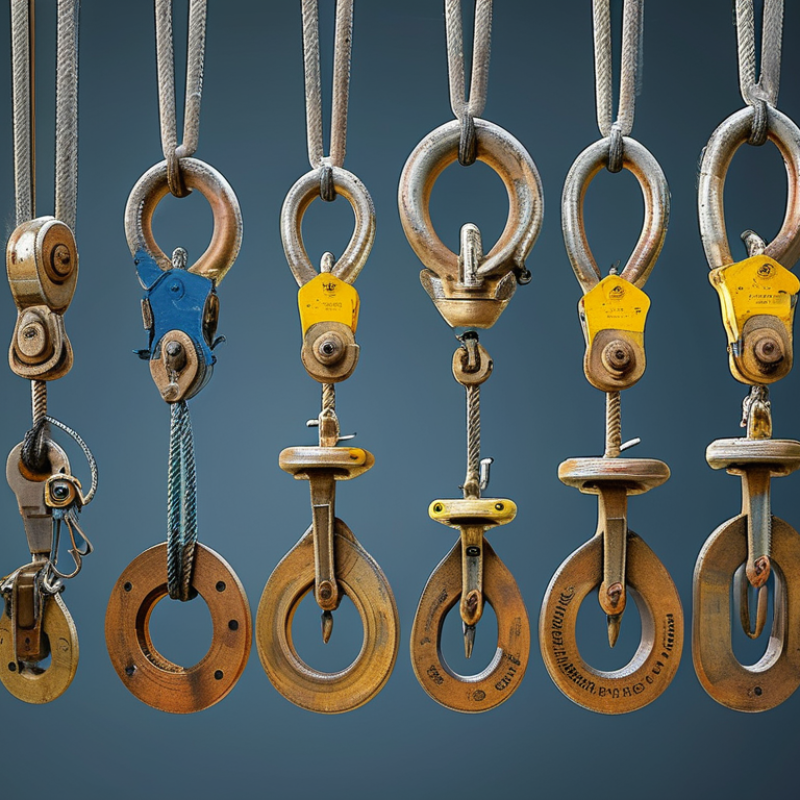
When selecting wire rope sheave blocks, understanding their key components is crucial. These blocks consist of sheaves, housing, and bearings. The sheave is the wheel that guides the wire rope. The material and size of the sheave can significantly impact performance. For instance, a steel sheave offers durability under heavy loads. However, it can also lead to increased wear on the wire rope.
The housing protects the internal components from environmental damage. Corrosion-resistant materials extend the block's lifespan. Bearings ensure smooth operation. A block with high-quality bearings can reduce friction and energy loss. The choice of bearing type, whether plain or ball, affects load handling and ease of use.
Some may overlook these details. This can lead to improper selections that may not meet operational demands. Consider the working environment as well. Factors like temperature, humidity, and exposure to chemicals can influence your choice. The right sheave block can enhance efficiency and safety. Understanding these components is key to making informed decisions.
When selecting wire rope sheave blocks, understanding load capacity is crucial. According to industry standards, the load capacity is often determined by the diameter and material of both the sheave and wire rope. For instance, a sheave with a larger diameter typically can handle greater loads. It is essential to analyze the maximum load each sheave will bear to avoid potential failure.
Safety factors play a significant role in assessing sheave blocks. Industry reports suggest using a safety factor of at least 5:1 for lifting applications. This means if the maximum load capacity is 1000 kg, the sheave block should be rated for at least 5000 kg. This practice accounts for unexpected stresses that can arise during operation. Not adhering to these guidelines may lead to catastrophic failures.
Furthermore, consider environmental factors that may affect safety. Exposure to harsh conditions can weaken materials over time. Regular inspections are necessary to ensure the integrity of your equipment. Operators must also understand that even slightly damaged components can compromise the entire lifting process. Each decision counts, and choosing the right sheave is not just about performance; it’s also about safety and reliability.
When selecting the right wire rope sheave blocks, material choice plays a crucial role. Steel is known for its strength and durability. It excels in tough environments, resisting wear and tear effectively. However, steel blocks can be heavy, impacting ease of handling. This weight is a concern in applications requiring mobility.
Aluminum offers a lightweight alternative, enhancing portability. It's well-suited for operations where weight savings are critical. Nevertheless, aluminum may not withstand heavy loads as steel does. It can be prone to bending under strain. Composite materials present another option. They are often designed for specific applications, offering corrosion resistance and lower weight. Yet, they may lack the load-bearing capability of metals.
Each material has its pros and cons. Understanding the intended application is vital. Reflecting on your operational needs helps in making an informed decision. Be sure to evaluate conditions like load requirements and environmental factors. The right choice can significantly impact performance and safety.
| Material | Weight (lbs) | Max Load (lbs) | Corrosion Resistance | Cost ($) |
|---|---|---|---|---|
| Steel | 50 | 5000 | Moderate | 150 |
| Aluminum | 30 | 3000 | High | 200 |
| Composite | 25 | 2500 | Very High | 250 |
When selecting a wire rope sheave block, size and configuration are crucial. Different applications require specific dimensions to ensure safety and efficiency. A sheave block too small or too large can lead to significant operational issues.
For instance, a smaller block may overload and fail under stress, while a larger one could cause unnecessary wear on the rope.
Consider the load requirements of your application. Is it a heavy lifting task or a lighter pull? Understanding the load spectrum helps in choosing the right block size. The sheave diameter in proportion to the rope diameter is vital. The ideal ratio minimizes wear and enhances performance.
Tips: Always consult with a professional when in doubt. They can provide insights on material compatibility and loading guidelines. Test the sheave blocks in controlled environments to evaluate performance. Adjust configurations based on these results to prevent costly errors down the line.
Remember, not all projects are the same. A configuration that worked once might not apply universally. Reflect on past experiences and adapt your choices accordingly. Your decisions matter, and they can significantly impact the overall success of your projects.
When it comes to wire rope sheave blocks, regular maintenance and inspection are crucial for ensuring optimal performance and longevity. According to industry reports, nearly 30% of equipment failures are attributed to inadequate maintenance practices. Understanding how to inspect and maintain these sheave blocks can prevent costly downtime and enhance safety.
Routine inspections should focus on wear patterns, corrosion, and alignment issues. Inspect the grooves for signs of wear or damage. Ensure that the rope sits properly in the grooves, as improper seating can lead to increased wear. Regularly checking the bearings and lubrication levels is vital. A well-lubricated sheave block operates more efficiently and lasts longer.
**Tip:** Keep a maintenance log. Documenting inspections and repairs helps identify patterns and potential problems early.
Ensure that all safety devices are functional and that they meet industry standards. The Occupational Safety and Health Administration (OSHA) suggests that equipment should be inspected at least once a year but more frequently in demanding environments.
**Tip:** Establish a frequent schedule for inspections. High-use applications can warrant monthly checks.
Incorporating these guidelines can significantly enhance equipment longevity. Taking proactive measures prevents larger issues down the road. Regular maintenance is not an option; it's essential.
: Load capacity depends on the diameter and material of both the sheave and wire rope.
Safety factors are crucial. Use at least a 5:1 ratio for lifting applications to ensure safety.
Not following guidelines can lead to catastrophic failures. Regular checks are essential to avoid risks.
Common materials include steel, aluminum, and composites. Each has its strengths and weaknesses.
The right material impacts performance. Consider weight, load capacity, and environmental conditions.
Inspections should occur at least annually. High-use environments may require monthly checks.
Inspect for wear patterns, corrosion, and alignment issues. Ensure proper rope seating in the grooves.
Keeping a log helps identify patterns and potential problems early, enhancing safety and performance.
Well-lubricated blocks operate efficiently and last longer, preventing costly downtime.
Nearly 30% of equipment failures stem from poor maintenance. Regular care is essential for longevity.
Wire Rope Sheave Blocks are essential components in various lifting and rigging applications, designed to enhance the efficiency and safety of load handling. When selecting the best sheave blocks, it's crucial to understand their key components and features, such as wheel design and bearing type. Assessing load capacity and safety factors ensures that the sheave blocks can handle the required weight without compromising safety.
Material selection is another vital aspect, with options available in steel, aluminum, and composite materials, each offering distinct advantages based on the application. Additionally, evaluating the size and configuration of the sheave blocks tailored to specific uses can significantly impact performance. Finally, adhering to maintenance and inspection guidelines is imperative for ensuring optimal performance and longevity, minimizing the risk of equipment failure during operations.

MTPM RigParts