2026 How to Choose Crown Block Components for Your Needs?

Time:2026-06-07 Author:Ethan
0%

When it comes to selecting the right crown block components, careful consideration is key. These components are vital for efficient drilling operations. Their design impacts both safety and performance. Choosing the wrong parts can lead to serious issues.

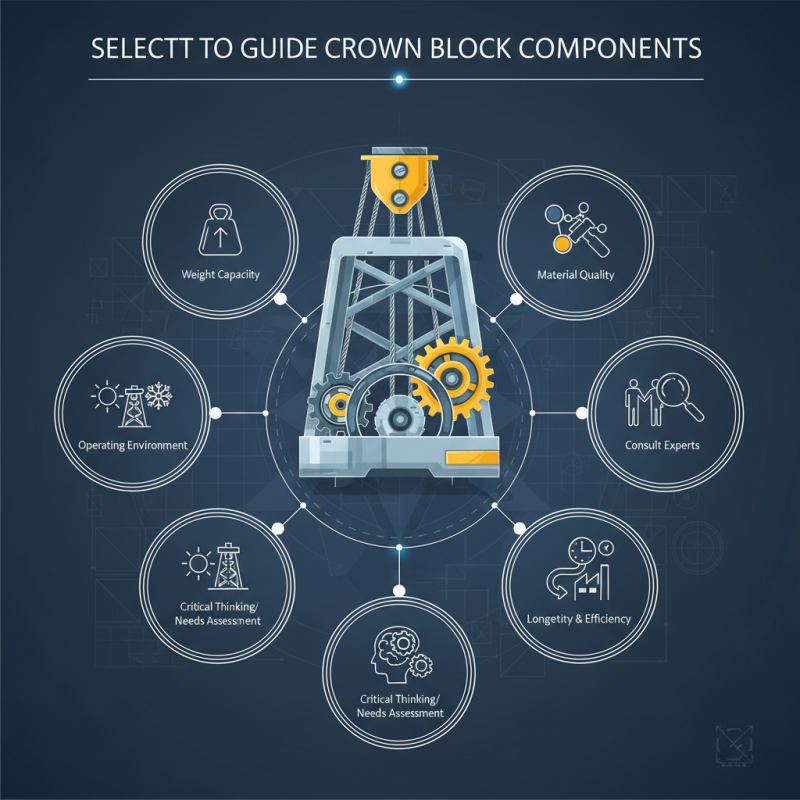
Many factors influence this decision. Consider the weight capacity and material quality of each component. The operating environment also plays a crucial role. A rugged setting demands durable components. Conversely, lighter environments may allow for different materials.

Experience can guide your choices, but it's essential to consult with experts. Reliable manufacturers can provide insights based on recent advancements. Think critically about your needs. Reflect on how each component will fit into your overall system. Proper selection ensures longevity and operational efficiency.
2026 How to Choose Crown Block Components for Your Needs?

Understanding Crown Block Components and Their Functions

Understanding crown block components and their functions is essential for efficient operations in drilling applications. The crown block serves as a crucial part of the drilling rig, supporting the weight of the drilling system. It consists of multiple sheaves that guide the drilling line, contributing to the overall mechanical advantage. Reports from industry analysts indicate that proper selection of these components can reduce maintenance costs by up to 15% annually.

Each sheave within the crown block plays a specific role. Size and material significantly affect performance. Larger sheaves can manage higher loads, while high-strength materials can withstand wear and tear. However, mismatched sizes or inadequate material choices can lead to premature failures. A study highlighted that over 25% of rig downtime is attributable to inefficient component choices in the crown block assembly.

Regular inspection of these components is vital. Wear indicators can help in assessing the condition of each sheave. Despite advancements in technology, miscalculations in weight limits can still occur. Operators must consider both the technical specifications and the operational environment when selecting crown block components. It's a balance of performance and reliability, requiring careful thought and experience. The challenge lies not only in understanding these pieces but also in knowing when they need upgrading.

Evaluating Load Capacity Requirements for Your Project

When evaluating load capacity requirements for your project, several factors come into play. Understanding the weight of the equipment and materials is crucial. A realistic assessment can prevent failures and ensure safety. According to industry reports, crown blocks typically need to support loads ranging from 50 to 600 tons. This is an essential threshold for operational efficiency. Notably, oversizing components can lead to unnecessary expenses, while undersizing can result in accidents.

To ensure you choose the right components, consider conducting a detailed analysis of the load spectrum your project will experience. This should include dynamic loads occurring during operations, not just static loads. A reliability study indicates that 70% of projects that ignored dynamic load assessments encountered operational issues. Collaboration with experts can refine this evaluation process, leading to more informed decisions.

Tips: Always cross-check load calculations with industry standards. Engage with structural engineers early in the design phase. This will mitigate risks associated with inadequate capacity. Remember, not all components are suitable for every application. Research material specifications and performance reports to inform your choices. Effective load management is key, as poor choices can have lasting impacts.

Selecting the Right Materials for Durability and Performance

Choosing the right materials for crown block components is crucial for ensuring durability and performance in drilling operations. According to industry reports, over 30% of drill rig failures are linked to subpar materials. Using high-quality steel and alloyed metals can significantly enhance the lifespan of crown blocks. The resistive strength and fatigue life of these materials are vital to withstand harsh drilling conditions.

However, selecting materials involves careful consideration of specific applications. For instance, a recent study revealed that temperature fluctuations can lead to material degradation. Therefore, choosing components with resistance to thermal and mechanical stress can prevent costly downtime. Inspecting certification standards is also essential, as not all materials boast the same reliability or testing protocols.

Moreover, it is worth noting that while using exotic alloys may seem appealing, their cost-effectiveness must be evaluated. Sometimes, standard materials outperform these high-end options in real-world conditions. Hence, ongoing assessments are necessary, ensuring that both performance and economic factors align. Regular inspection and maintenance are vital in maximizing the effectiveness and longevity of these components.

Comparing Different Design Options for Crown Blocks

When selecting crown block components, it’s essential to compare various design options for optimal efficiency and safety. Different materials can affect weight and performance. For example, steel offers durability, while aluminum reduces overall weight. According to a recent industry report, using lightweight materials can enhance drilling efficiency by up to 15%.

Another significant factor is the design configuration. Some crown blocks utilize sheaves placed in a single row. Others, however, may adopt a double-row configuration for improved load distribution. Studies show that double-row designs can reduce wear and tear on components, extending their lifespan by 20%. However, this can complicate repair procedures, requiring careful consideration of maintenance processes.

Additionally, factor in the operational environment. For deepwater drilling, corrosion-resistant coatings may be crucial. Not all coatings are equally effective, which could lead to unexpected maintenance costs in the long run. A report highlights that improper material choice can increase repair times by over 30%, affecting overall project timelines. Understanding these differences is vital for making informed decisions in crown block design selection.

Assessing Installation and Maintenance Considerations

When assessing installation and maintenance considerations for crown block components, one must focus on compatibility and ease of access. According to industry reports, approximately 70% of operational issues stem from improper installation. Choosing components that fit well with existing rig structures is crucial. The alignment of the crown block with the hoisting system significantly impacts performance.

Accessibility for maintenance cannot be overlooked. Many experts recommend designs that facilitate easy inspection. A recent survey indicated that over 60% of downtime in operations is due to maintenance delays. Regular maintenance schedules should be established to prevent unexpected failures. Utilizing sensors and monitoring systems can streamline this process, thereby enhancing reliability.

Another aspect worthy of consideration involves material selection. Components made from high-strength alloys tend to require less frequent replacement. However, even the best materials can fail due to improper maintenance procedures. Therefore, training staff on proper upkeep is essential. Investing in comprehensive staff training can reduce errors, addressing a common area of concern within the industry.

2026 How to Choose Crown Block Components for Your Needs? - Assessing Installation and Maintenance Considerations

Component Material Weight (lbs) Maintenance Frequency Installation Complexity
Crown Block Steel 1,200 Annual Moderate
Sheaves Aluminum 150 Quarterly Low
Hooks High-Strength Steel 300 Biannual High
Pivot Pin Stainless Steel 50 Annual Low
Bearings Bronze 20 Monthly Moderate

FAQS

: Why is selecting the right materials important for crown blocks?

: The right materials ensure durability and performance, reducing the risk of drill rig failures linked to poor material quality.

What are common issues with subpar materials?

Subpar materials can lead to increased wear, failure rates, and unplanned downtime, impacting overall drilling operations.

How can temperature fluctuations affect materials?

Temperature changes can degrade materials, making it crucial to choose components that resist thermal and mechanical stress.

Are exotic alloys always the best choice?

Not necessarily. Often, standard materials perform better and are more cost-effective than exotic options in real-world applications.

What impact do different designs have on crown blocks?

Design affects weight and performance; for instance, aluminum reduces weight while steel offers unmatched durability.

How do sheave configurations influence maintenance?

Single-row designs simplify repairs, while double-row configurations extend lifespan but can complicate maintenance processes.

What is the role of corrosion-resistant coatings in deepwater drilling?

They prevent rust and degradation, but not all coatings are equal, potentially leading to higher maintenance costs.

Why is regular inspection important?

Regular inspection ensures that performance and longevity are maximized, helping to catch issues before they lead to downtime.

Can material choice delay project timelines?

Yes, improper material selection can increase repair times by over 30%, significantly affecting the project's overall schedule.

How should one approach the evaluation of materials?

Ongoing assessments should consider both performance and economic factors to ensure the best material choices for specific applications.

Conclusion

Choosing the right Crown Block Components is essential for ensuring the efficiency and safety of your drilling operations. This involves a comprehensive understanding of the various components and their specific functions, alongside evaluating the load capacity requirements tailored to your project’s demands. Selecting appropriate materials is crucial, as they contribute significantly to the durability and performance of the crown block, while also factoring in different design options available for optimal functionality.

Additionally, installation and maintenance considerations play a pivotal role in prolonging the lifespan of the crown block system. By carefully assessing these factors, you can make informed decisions that enhance both the performance and reliability of your drilling equipment. Ultimately, a well-chosen set of Crown Block Components will lead to successful project outcomes and sustained operational efficiency.


Ethan

Ethan

Ethan is a seasoned marketing professional with a deep expertise in our company's innovative product line. With a passion for sharing knowledge and insights, he takes the lead in regularly updating our corporate blog, where he explores industry trends, product features, and effective marketing......