Choosing the right drilling equipment components can significantly impact project success. According to Dr. Emily Carter, a renowned expert in drilling technology, "Every project requires a unique combination of components to achieve optimal performance." Her insights reflect the complex nature of drilling operations.
In the drilling industry, the choice of components can determine efficiency and safety. Each element, from drill bits to rigs, plays a crucial role. Understanding their functions is vital. For example, selecting the wrong drill bit can lead to excessive wear and increased costs. This decision can affect the overall timeline and profitability of a project.
Moreover, the variety of drilling equipment components available can be overwhelming. It's essential to assess specific project needs carefully. Consulting with industry experts, like Dr. Carter, can provide valuable clarity. However, not all advice is applicable. It's crucial to reflect on past experiences and adjust strategies accordingly. This approach fosters a comprehensive understanding of how to optimize drilling operations effectively.
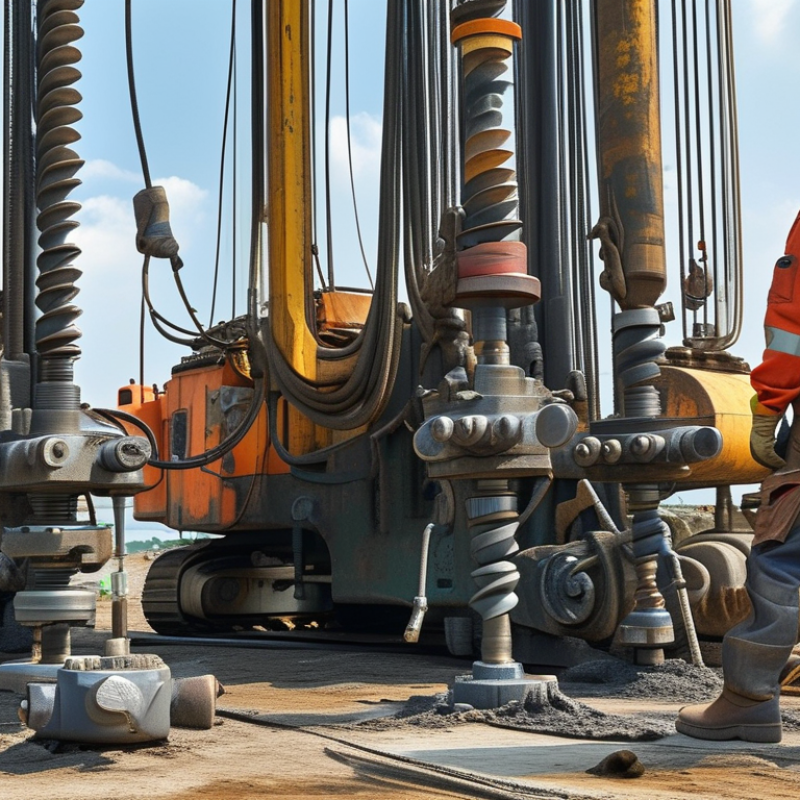
Understanding your drilling project requirements and goals is crucial for selecting the right equipment components. Every project has unique needs, from soil type to depth and environmental conditions. In fact, a recent industry report noted that 70% of project inefficiencies stem from mismatched equipment choices. Thus, defining the project scope early on is vital.
Tips: Evaluate soil samples and assess site conditions. This will guide equipment selection.
Moreover, consider the drilling method best suited for your objectives. For instance, projects that demand high precision may benefit from specialized bits. According to industry standards, using the correct bit can enhance efficiency by up to 35%. Assess your project's timeline and budget constraints, as they will greatly influence your decisions.
Tips: Seek expert consultation when in doubt about methods or equipment.
Regularly review your equipment's performance during the project. This can reveal potential issues that might require adjustments or upgrades. Studies indicate that proactive adjustments can save up to 15% in operational costs. Understand that refining equipment choices is an ongoing process that requires reflection and adaptation.
| Component Type | Material | Function | Typical Applications | Key Considerations |
|---|---|---|---|---|
| Drill Bit | High-Speed Steel | Cutting through materials | Metal, Wood, Plastic | Material type, Size, Coating |
| Drilling Motor | Electric | Powering the drill | All drilling applications | Power rating, Speed settings |
| Chuck | Steel | Holding the drill bit | Various drill types | Size, Type (keyed/keyless) |
| Feed Mechanism | Hydraulic | Automatically feeding the bit | Heavy-duty drilling | Pressure rating, Control options |
| Drill Rig | Steel | Supports the drilling process | Construction, Geotechnical | Height, Weight, Mobility |
: Assess your specific needs and geological conditions. Components must work well together for efficiency.
Consider materials and designs that suit your project's surface. Hard rock needs stronger bits, while softer soils require different ones.
Proper training maximizes equipment effectiveness and minimizes workplace injuries. Involving employees boosts shared responsibility.
Regular maintenance prolongs lifespan and prevents costly failures. Neglecting it can lead to unexpected downtime.
Equipment purchase, maintenance, and operational costs all affect the total cost of ownership.
Not all projects require sophisticated options. Basic equipment can meet goals while minimizing expenses.
Schedule routine inspections for wear and tear. Address issues immediately to save time and costs.
Reliable technical support helps resolve issues swiftly, minimizing downtime and enhancing productivity.
Every choice involves trade-offs between cost, performance, and future needs. Reflection on requirements is key.
Components must work well together. Poor compatibility can hinder efficiency and lead to operational challenges.
Choosing the right drilling equipment components is crucial for the success of any drilling project. It begins with a clear understanding of your project requirements and goals, as these will guide your selection process. Evaluating the different types of drilling equipment components available helps ensure you select the ones that best fit your specific needs, taking into account factors such as the terrain, depth requirements, and projected outcomes.
When selecting drilling components, several key factors must be considered, including the costs, performance, and durability of each option. It's essential to compare different choices to find a balance that meets your budget while delivering the required efficiency. Additionally, maintenance and support considerations should not be overlooked, as these aspects can greatly impact the long-term functionality and reliability of your drilling equipment components. With careful evaluation and consideration, you can make informed decisions that enhance your project's success.

 MTPM RigParts