Choosing the right Mud Pump Pulsation Dampener is essential for optimal drilling performance. According to a report by the American Petroleum Institute, improper selection can lead to system inefficiencies, increasing operational costs by up to 15%. These dampeners play a crucial role in minimizing vibrations and pressure fluctuations in mud pump systems.
Industry expert John R. Mason emphasizes, "Selecting the proper Mud Pump Pulsation Dampener requires a thorough understanding of your specific operational needs." His insights underline the importance of customization in the selection process. Each drilling environment presents unique challenges that influence dampener performance.
Inaccurate choices can severely impact project timelines and costs. Drilling operations can experience downtime due to equipment failure or inefficient performance caused by mismatched dampeners. Understanding these variables is vital for making informed decisions in this field. As with any technical selection, it requires careful evaluation and sometimes, a bit of trial and error.
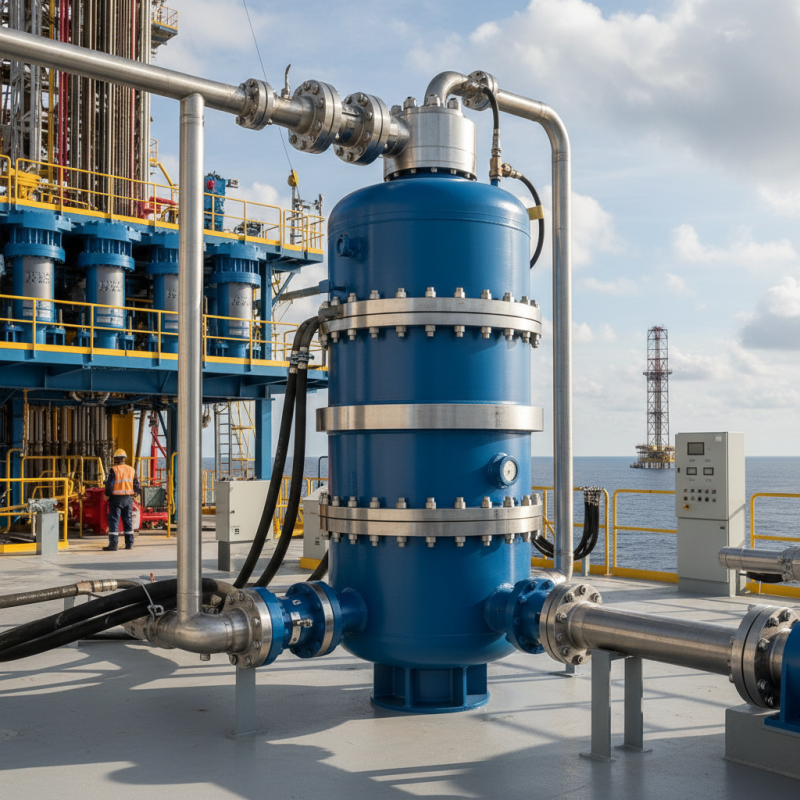
Mud pump pulsation dampeners play a crucial role in optimizing drilling operations. These devices smooth out the pressure fluctuations generated by mud pumps. Properly functioning dampeners ensure a steady flow of drilling fluid. This helps prevent damage to both the mud pump and the overall drilling rig.
According to a report from the International Association of Drilling Contractors, improper pulsation dampening can lead to increased maintenance costs, with estimates suggesting an increase of up to 30%. This data emphasizes the importance of selecting the right dampener. Consider factors like size, material, and operating pressure when making your choice.
Tips: Regularly check the dampener condition. A worn dampener can significantly impact performance. Adjust settings according to the drilling conditions. This can prevent common issues related to pressure spikes. Understanding how these devices work can lead to improved drilling efficiency and reduced operational costs. Attention to detail is vital when it comes to maintenance and selection, as even minor oversights can have serious consequences.
When it comes to selecting a mud pump pulsation dampener, several key factors must be evaluated. Understanding the pressure ratings of your system is crucial. A dampener must withstand fluctuating pressures during operation. Check compatibility with your existing equipment. This ensures optimal performance and efficiency.
Another important factor is the fluid characteristics. Viscosity affects how the dampener operates. If your fluid is thick, choose a dampener designed for higher resistance. Don't forget to consider installation space. Some dampeners require more room than others. If you're tight on space, that could be a dealbreaker.
Think about maintenance needs as well. Some dampeners have complex components that increase upkeep efforts. An easier-to-maintain option might be more practical. Reflect on the long-term use and replacement costs. A cheaper initial investment may lead to higher expenses later. Evaluate all these aspects carefully to choose the right pulsation dampener.
| Pulsation Dampener Type | Optimal Pressure Range (psi) | Material | Applications | Key Features |
|---|---|---|---|---|
| Diaphragm Dampener | 500 - 1500 | Stainless Steel | Drilling Mud Systems | High flexibility, low maintenance |
| Bladder Dampener | 300 - 1200 | Carbon Steel | Oilfield Operations | Durable construction, effective pressure control |
| Spring Dampener | 800 - 2000 | Aluminum Alloy | Industrial Pumping Systems | Lightweight, compact, versatile |
| Cushion Dampener | 400 - 1000 | Rubber/Plastic | Water Jet Cutting | Cost-effective, low pressure loss |
When selecting a mud pump pulsation dampener, understanding the different types available is crucial. Common options include bladder dampeners, piston dampeners, and diaphragm dampeners. Each type has its unique features and benefits.
Bladder dampeners are popular for their reliability and ease of maintenance. They contain a rubber bladder that absorbs pressure fluctuations effectively.
On the other hand, piston dampeners are less common but can offer precise control. They use a movable piston to dampen pulsations, making them suitable for high-pressure applications.
Diaphragm dampeners are versatile and can handle various liquids. Their design incorporates a flexible diaphragm that separates the mud from the gas or air. This design is important for preventing contamination and ensuring operational efficiency.
Choosing the right dampener isn't straightforward. One must consider factors like the specific application, pressure ratings, and liquid characteristics. Review and reflect on your operational needs.
Additionally, consulting with industry experts can provide invaluable insights. Correctly matching the dampener type to your mud pump will enhance performance and longevity.
Choosing the right pulsation dampener requires careful evaluation of compatibility with your mud pump system. This compatibility ensures that the dampener effectively minimizes pressure fluctuations and vibration. Look for specifications like pressure ratings and flow rates that align with your pump’s capabilities.
Consider the materials used in the dampener as well. They must withstand the harsh conditions typical of mud pumping operations. Rubber and metal are common materials, but each has its pros and cons. Rubber might have better damping properties, while metal may offer durability. Balancing these factors can be challenging.
Installation is another critical aspect often overlooked. A mismatched dampener can lead to inefficient performance. Evaluate the dimensions and connection types. Ensuring a proper fit is essential for optimal operation. Keep in mind that the wrong choice can lead to increased wear and tear on your pump. Compatibility is not just about matching types; it involves a deeper understanding of your pump’s needs.
Pulsation dampeners are crucial in mud pumps. They reduce pressure fluctuations during operation. Proper maintenance prevents inefficiencies and costly repairs. According to industry reports, up to 30% of downtime in drilling operations can be attributed to issues with pulsation dampeners.
Regular inspection is essential. Check for leaks and wear on seals. Replace any worn components immediately. Ignoring these small issues can lead to bigger problems. For example, significant pulsation can cause harm to the entire pump system and further equipment.
Maintaining optimal performance involves monitoring fluid levels. Ensuring the dampener is adequately charged with gas is vital. Some reports suggest that a fully charged dampener can improve system efficiency by 15%. Document your maintenance to track trends and identify recurring issues. Engaging with these practices enhances reliability and extends the lifespan of your equipment.
This chart illustrates the frequency of common issues encountered with different types of mud pump pulsation dampeners, providing insights into maintenance and troubleshooting focus areas.
: They smooth out pressure fluctuations from mud pumps, ensuring steady drilling fluid flow.
It can lead to increased maintenance costs, possibly up to 30%.
Consider size, material, operating pressure, and the fluid’s viscosity.
A worn dampener can reduce performance and lead to pressure spikes.
Thicker fluids require dampeners designed for higher resistance to function correctly.
Ensure the dampener fits well and matches connection types to prevent inefficiency.
Yes, easier-to-maintain options are generally more practical for long-term use.
Rubber and metal are popular, each offering different pros and cons.
Yes, it may cause increased wear and tear, impacting overall performance.
Not always; a cheap option might lead to higher future expenses.
Choosing the right Mud Pump Pulsation Dampener is essential for optimizing the efficiency and performance of mud pump systems. Understanding the function of these dampeners helps users recognize their importance in reducing pulsation and vibration, which can lead to improved drilling efficiency and equipment longevity. When selecting a pulsation dampener, key factors include the pump’s specifications, operating conditions, and the specific application needs.
Various types of mud pump pulsation dampeners are available in the market, each designed to cater to different operational requirements. Evaluating compatibility with your existing mud pump system ensures seamless integration, preventing potential issues that may arise from mismatched components. Additionally, regular maintenance and troubleshooting are crucial to ensure the dampener operates effectively over time, thereby maintaining optimal performance in drilling operations.

MTPM RigParts