Choosing the right mud pump components is crucial for efficient drilling operations. In 2021, the global mud pump market was valued at approximately $1.5 billion and is expected to grow by 4.5% annually. This growth highlights the importance of selecting the right components tailored to specific needs.
Mud pump components, including pistons, liners, and valves, play vital roles in performance and reliability. Each component influences efficiency and operational cost. For instance, using higher-quality materials may reduce maintenance costs and downtime. However, determining the right balance between cost and quality can be a challenge. Many companies overlook this and suffer consequences later.
Understanding mud pump components requires expertise and analysis. A well-chosen component can enhance performance, while a poor choice may lead to inefficiencies. As industry practices evolve, keeping updated on advancements is essential. Reflecting on choices and understanding their impacts can lead to better results in the long run.
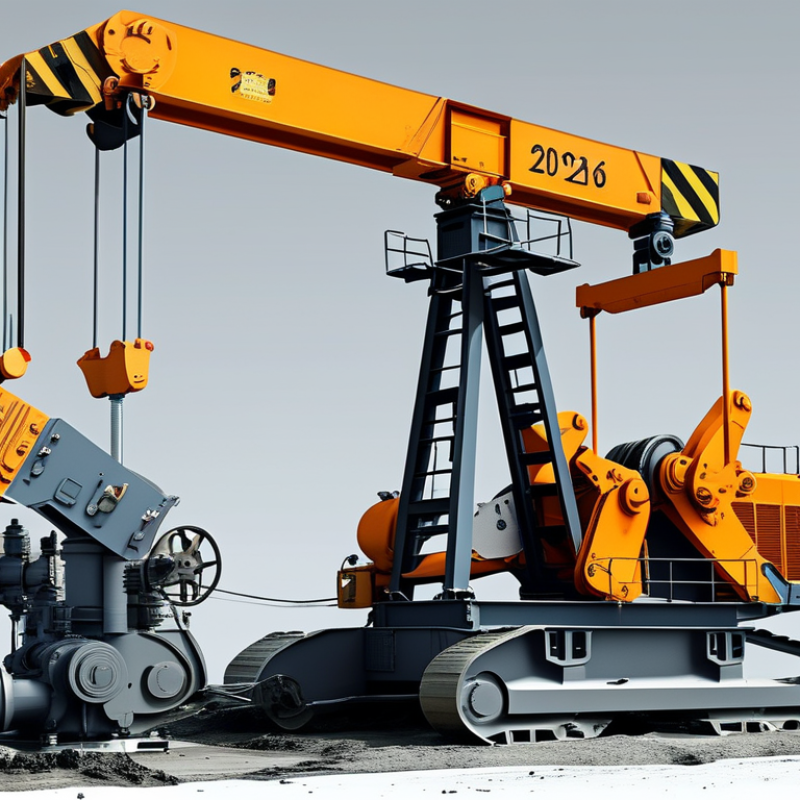
Mud pumps play a critical role in drilling operations, as they circulate drilling fluids. Understanding the components of these pumps is essential for efficient operation. Key components include the drive system, fluid end, and discharge manifold. Each of these parts must work harmoniously to ensure optimal performance. According to a recent industry report, over 30% of drilling downtime is attributed to mud pump failures.
Tips: Regular maintenance can prevent many issues. Check fluid levels frequently. Keep an eye on the seals and gaskets. Replace worn parts promptly.
The drive system converts mechanical energy into hydraulic energy. Modern pumps use hydraulic drives for better efficiency. However, improper calibration can lead to decreased performance. A study indicated that incorrect drive settings can waste up to 20% of energy.
Tips: Always consult the manufacturer’s guidelines for settings. Consider individual project requirements when making adjustments.
Choosing the right components involves understanding your specific needs. For example, the fluid end material affects durability. The selection process often reveals a need for deeper evaluation. Researching compatibility and ratings is crucial in this context. Adapting components to the conditions can mean success or failure in drilling operations.
Choosing the right mud pump components is crucial for effective drilling operations. Various factors impact this decision. One of the key considerations is the specific application of the pump. For instance, a drilling operation commonly requires components that can handle varying viscosities. Reports indicate that nearly 70% of drilling failures stem from improper component selection.
Material selection is another critical factor. Components must endure harsh environments. Common materials include high-strength alloys and specialty plastics. The right material choice can enhance durability and performance. Research shows that equipment with appropriate material composition can last up to 50% longer.
Compatibility with existing systems is essential. Conducting a thorough compatibility analysis can prevent costly downtime. Some operators overlook this step and face major setbacks. As data from industry surveys reveal, 30% of drilling delays are linked to mismatched components. Being diligent in these aspects can lead to smoother operations and improved productivity.
When selecting components for a mud pump, it's crucial to understand their types and functions. Mud pumps mainly consist of elements like the pump body, valves, and liners. Each part plays a vital role in the pumping process. The pump body houses the complete assembly and supports the operation. A sturdy yet lightweight design usually offers better efficiency.
Valves are essential for directing the flow of mud. They prevent backflow and control pressure during operation. A high-quality valve can significantly enhance performance. Liners, on the other hand, protect the pump from wear while reducing maintenance needs. Choosing the right liner material is key. It directly impacts durability and compatibility with various drilling fluids.
Understanding these components helps in making informed choices. Yet, it’s common to overlook compatibility issues. Selecting a pump component that isn’t perfectly aligned with your needs can lead to inefficiencies. Consultation with experts is advisable to mitigate these risks. Ground-level feedback is invaluable in assessing the performance of chosen components. Ultimately, making informed selections is a balance of understanding, trial, and expert advice.
| Component Type | Function | Material | Typical Applications |
|---|---|---|---|
| Mud Pump | Circulates drilling fluid | Cast Steel | Drilling Operations |
| Piston | Creates pressure within the pump | Aluminium Alloy | High-Pressure Settings |
| Valves | Controls fluid flow direction | Brass | Fluid Management |
| Cylinder | Houses the piston | Carbon Steel | Mud Circulation |
| Suction Screen | Filters out large particles | Stainless Steel | Early Mud Treatment |
Choosing the right mud pump components hinges significantly on compatibility with existing system requirements. Many companies overlook this crucial step, leading to inefficiencies. According to industry research, 40% of pump failures stem from mismatched components. Each system has unique specifications. Assessing pressure ratings, flow rates, and material compatibility is critical.
Consider the power requirements of the existing hydraulic system. Improper sizing can cause excessive wear and tear. The American Petroleum Institute (API) suggests that a mismatch can reduce pump life by 30%. Additionally, hydraulic connections must align precisely to prevent leaks. This attention to detail can minimize downtime and repair costs.
Regularly reviewing components is also essential. Technology advances quickly. Updating to modern materials can enhance performance, yet compatibility must be ensured. Industry data shows that components not properly vetted lead to safety risks in 25% of cases. Compatibility is not just a box to check. It's a necessity for long-term operational success and reliability.
When selecting mud pump components, maintenance and durability are critical factors. A recent industry report indicates that nearly 30% of mud pump failures can be traced to inadequate maintenance practices. Regular inspections and timely replacements of wear parts can enhance operational efficiency. Monitoring performance metrics, such as pressure and flow rates, ensures any anomalies are addressed promptly.
Material selection plays a significant role in durability. Components made from high-quality alloys exhibit significantly improved wear resistance. Research shows that using advanced materials can extend the lifespan of critical components by up to 50%. However, even the best materials require regular upkeep. Operators must be vigilant about corrosion and wear. Neglecting these issues can lead to costly downtimes.
Training personnel on best maintenance practices is essential. Many teams might lack experience in handling specialized equipment. Thus, ongoing education can provide valuable insights. Simple procedural updates can make a difference. Collaborative effort in maintaining equipment leads to optimized performance. Each step taken to ensure durability creates a more reliable mud pumping operation.
: The main components include the pump body, valves, and liners. Each has a specific function in operation.
The pump body houses the entire assembly and supports operations. A strong, lightweight design improves efficiency.
Valves direct the mud flow and prevent backflow. They help control pressure during operation for better performance.
Liners protect against wear and reduce maintenance needs. Choosing the correct liner material impacts durability significantly.
Mismatched components can lead to inefficiencies and failures. Compatibility with existing systems is crucial for success.
Regular reviews are essential due to fast technology advances. Updating materials enhances performance but must ensure compatibility.
Regular inspections and timely replacements of worn parts are vital. Monitoring pressure and flow rates helps catch issues early.
High-quality alloys improve wear resistance. However, regular upkeep is necessary even with the best materials.
Teams may lack experience with specialized equipment. Ongoing education helps improve maintenance practices and operator efficiency.
Neglect can lead to corrosion, wear, and costly downtime. Each maintenance step ensures better reliability in operations.
In choosing the right mud pump components, it is essential to first understand the basics of how mud pumps operate and the vital role their components play in performance. Key factors to consider include the type of application, pump capacity, and environmental conditions that may affect operation. Different types of components serve specific functions, from impellers to discharge piping, each contributing to the overall efficiency of the pump.
Additionally, assessing compatibility with existing system requirements is crucial to ensure seamless integration. Maintenance and durability considerations should also guide the selection process, as high-quality components can enhance the lifespan and reliability of the mud pump. By focusing on these aspects, users can effectively select mud pump components that best meet their operational needs.

MTPM RigParts