How to Choose a Mud Pump Pulsation Dampener?

Time:2026-10-02 Author:Ethan
0%

Choosing a Mud Pump Pulsation Dampener is a practical decision that affects drilling stability, equipment life, and crew safety. The right model helps reduce pressure fluctuations created by reciprocating mud pumps. It can also protect discharge lines, valves, gauges, and drilling tools from repeated hydraulic shocks. However, selection should never depend on pressure rating alone.

Real field conditions often reveal details that catalogues cannot show. Mud density, flow rate, pump stroke speed, discharge pressure, and fluid temperature all influence dampener performance. The connection size must match the discharge manifold accurately. Even a small mismatch can create turbulence, leakage, or difficult maintenance. Bladder material also matters when the drilling fluid contains abrasive solids or aggressive additives. Consult the pump manufacturer’s data and verify every operating limit.

Safety comes first.

This guide explains how to compare volume, precharge pressure, shell design, bladder construction, and installation requirements. It also considers inspection access and replacement costs, because downtime can become more expensive than the component itself. Experienced technicians usually check the dampener after pressure testing and during scheduled maintenance. Still, field measurements may differ from assumptions. That is where careful documentation becomes valuable. A reliable selection process combines engineering calculations, manufacturer guidance, and lessons from actual drilling operations. Some recommendations may require adjustment for local conditions. This is not a weakness; it is part of responsible equipment selection. The goal is steady pressure, longer service life, and safer mud-pumping performance.
How to Choose a Mud Pump Pulsation Dampener?

What Is a Mud Pump Pulsation Dampener?

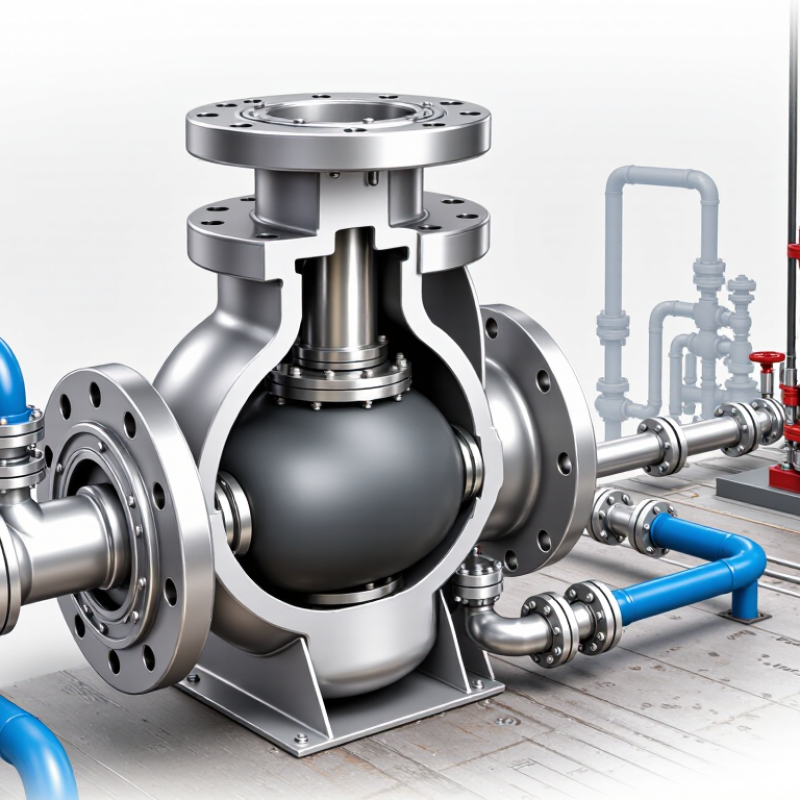
A mud pump pulsation dampener is a pressure vessel connected to the pump discharge line. It contains compressed gas, usually nitrogen, above a flexible diaphragm or bladder. As the pump piston creates a pressure peak, the dampener absorbs part of that energy. During the pressure drop, it releases stored energy back into the line. The result is a steadier flow, lower vibration, and less stress on valves, hoses, and the standpipe manifold. It is not a pressure regulator. That distinction matters.

API Specification 7K covers drilling and well-servicing equipment, including pressure-containing components and their rated working conditions. Field mud pumps commonly operate near 5,000 or 7,500 psi, so the dampener must match the system’s maximum working pressure, fluid temperature, and connection rating. I usually check precharge records before judging performance. A low nitrogen charge can cause sharp gauge movement and hammering. An excessive charge can reduce the dampener’s usable volume.

The wrong membrane material may also swell in oil-based mud contamination. Manufacturer manuals and IADC drilling guidance both emphasize inspection, isolation, and controlled pressure release before maintenance.

I have seen operators focus on shell pressure while ignoring gas temperature. That is an imperfect habit. Nitrogen pressure changes with temperature, so a cold morning reading may mislead the technician. Selection should consider piston size, pump strokes per minute, expected flow fluctuations, and available maintenance access. A smaller unit may fit neatly, but it can reach its absorption limit quickly.

How Does a Pulsation Dampener Work?

A mud pump pulsation dampener reduces pressure surges created by reciprocating pistons. Each piston stroke accelerates and slows the drilling fluid. This produces uneven flow in the discharge line. The dampener uses a gas-charged chamber to soften these changes. Usually, a bladder or diaphragm separates the gas from the mud. When discharge pressure rises, the chamber absorbs part of the fluid energy. When pressure drops, stored energy returns to the flow.

The process is continuous. It acts like a flexible buffer near the pump discharge manifold. Correct gas precharge is essential. Too little precharge allows excessive pressure movement. Too much precharge reduces the dampener’s useful storage volume. Field technicians should check pressure, temperature, fluid density, and diaphragm condition before adjustment. A reliable inspection also looks for vibration, leakage, unusual noise, and unstable gauge readings.

Choosing the right unit requires more than matching the pump size. Consider maximum working pressure, flow rate, discharge volume, and operating temperature. Confirm that wetted materials tolerate the drilling fluid and cleaning chemicals. In my experience, installation position matters almost as much as chamber volume. A poorly supported connection can transfer vibration into the piping. No dampener removes every pulse. Real systems still show small fluctuations. That is normal, but unexplained changes deserve investigation. Performance should be verified through pressure readings during actual pump operation.

How to Choose a Mud Pump Pulsation Dampener? - How Does a Pulsation Dampener Work?
Selection Category Key Dimension or Factor Typical Data or Range Selection and Design Guidance How It Works
Pump Compatibility Pump configuration Duplex or triplex reciprocating mud pump Confirm the dampener is designed for the pump's discharge connection, pressure rating, flow rate, and pulsation frequency. The dampener absorbs part of the flow variation created by the reciprocating pistons or plungers.
Installation Position Discharge-side location As close as practical to the pump discharge manifold Short, direct piping normally improves the dampener's response and reduces the amount of unprotected pipe exposed to pressure fluctuations. The gas-charged chamber responds before the pressure wave travels through the downstream discharge line.
Pressure Rating Maximum allowable working pressure Must be equal to or greater than the maximum system operating pressure The pressure rating should also cover applicable design, test, temperature, and relief-system requirements. Never select only from normal working pressure. A pressure-rated shell contains the compressed gas and drilling fluid while the pump operates under fluctuating load.
Pressure Control Gas precharge pressure Often initially set within approximately 50%–70% of minimum operating pressure The correct value depends on dampener design, operating pressure range, gas volume, temperature, and the required pulsation reduction. Use the equipment calculation or service procedure rather than a universal setting. Compressed nitrogen acts as an elastic cushion; it expands during low-flow portions of the cycle and compresses during high-flow portions.
Gas Selection Precharge gas Dry nitrogen is normally used Avoid oxygen and combustible gases. Nitrogen minimizes combustion risk and provides stable precharge behavior when used with suitable charging equipment. The gas stores energy without mixing with the drilling fluid when the bladder or separator remains intact.
Dampening Element Bladder, diaphragm, or piston separator Bladder and diaphragm designs are common for high-pressure mud service Choose a separator that matches the pressure, temperature, mud chemistry, solids content, and expected cycling frequency. The separator prevents direct gas–mud contact and transmits pressure changes between the gas chamber and fluid chamber.
Elastomer Compatibility Bladder or diaphragm material Material must be compatible with water-based or oil-based mud and operating temperature Review resistance to hydrocarbons, salts, polymers, corrosion inhibitors, abrasive solids, and temperature. Compatibility should be confirmed with the material supplier. A compatible elastomer maintains flexibility and sealing performance during repeated pressure cycles.
Flow Capacity Pump discharge flow Size for the pump's maximum intended flow, not only average flow Consider pump displacement, liner size, stroke rate, volumetric efficiency, and possible future operating conditions. Adequate gas and fluid volume allows the chamber to accept excess flow during each discharge stroke without excessive pressure rise.
Pulsation Frequency Pressure-cycle frequency Approximately equal to the pump's discharge event frequency; it varies with strokes per minute and pump design Higher stroke rates produce more frequent pressure changes. The dampener volume and gas precharge should be evaluated at the actual operating speed. The gas chamber must respond quickly enough to smooth repeated pressure peaks without creating resonance or instability.
Pulsation Target Allowable pressure fluctuation Project-specific; lower fluctuation is generally required for sensitive instruments and high-pressure equipment Define the acceptable pressure ripple at the pump discharge and at critical downstream equipment. Verify performance with a calibrated pressure transducer. The dampener reduces the amplitude of pressure peaks and fills part of the flow deficit between pumping events.
Connection Design Inlet connection and flow path Connection size and pressure class must match the discharge manifold Avoid unnecessarily restrictive fittings, sharp turns, dead legs, and long branches. Use a robust support arrangement because the assembly is heavy and highly loaded. A low-resistance connection enables rapid exchange of fluid between the discharge line and dampener chamber.
Temperature Operating and ambient temperature Must remain within the rated range of the shell, bladder, seals, and charging valve Temperature changes affect nitrogen pressure and elastomer life. Recheck precharge after temperature stabilization and before critical operation. Gas pressure changes with temperature, which changes the effective stiffness and usable volume of the dampener.
Maintenance Precharge and separator inspection Check before commissioning, after maintenance, and at a defined preventive-maintenance interval Inspect for gas loss, leakage, damaged charging valves, shell corrosion, bladder wear, and abnormal pressure behavior. Depressurize the fluid side before service. Correct precharge and an intact separator are essential for the gas spring to absorb pressure fluctuations.
Safety Isolation and pressure relief Provide suitable isolation, bleed, drain, and relief provisions Follow the applicable pressure-vessel and drilling-equipment requirements. Confirm zero pressure before opening any component or removing the charging assembly. The dampener contains stored energy in both compressed gas and pressurized drilling fluid.
Verification Performance measurement Compare pressure waveform before and after installation Use calibrated sensors and measure at consistent pump speed, flow rate, mud density, and system pressure. A smoother waveform and reduced peak-to-peak pressure indicate effective tuning. Pressure sensors show whether the dampener is reducing peak amplitude, flow irregularity, and mechanical vibration.
Engineering note: Actual dampener volume, pressure rating, precharge, separator material, and connection size must be calculated and verified for the specific mud pump, drilling fluid, operating temperature, pressure range, and applicable safety standards.

Which Dampener Specifications Match Your Mud Pump?

Choosing a mud pump pulsation dampener starts with matching specifications, not selecting the largest available vessel. Confirm the pump’s maximum discharge pressure, flow rate, stroke length, liner diameter, and fluid temperature. API Specification 7K requires pressure-containing drilling equipment to suit its rated working pressure. Therefore, the dampener’s maximum allowable working pressure must exceed the pump’s operating pressure, including pressure spikes. It sounds obvious. Field records show otherwise.

Use the pump’s actual discharge flow to estimate dampener volume. A three-cylinder pump usually needs a different gas volume from a two-cylinder pump, even at similar pressure. Check the connection size, flange rating, bladder material, and sour-service requirements against the drilling fluid and temperature. API Standard 674 treats pulsation control as a complete system issue, including piping, valves, and supports. Do not size the bottle alone. Industry maintenance guidance commonly starts precharge near 60–70% of working pressure, but the correct value depends on gas temperature, cycling rate, and operating pressure. Measure it cold.

A pressure recorder is more useful than guesswork. Review peak-to-peak pressure, vibration, and acceleration during real drilling conditions. IADC drilling guidance also emphasizes inspection, pressure testing, and documented maintenance for pressure-control equipment. A calculation can still be wrong. Recheck it after changing liners, mud density, or discharge piping. Some specifications look compatible on paper, yet the bladder fails early because the gas volume is too small.

How to Evaluate Bladder, Diaphragm, and Pressure Options?

Choosing a mud pump pulsation dampener starts with fluid behavior, not price. Bladder units respond quickly and suit high-frequency pressure changes. Their gas chamber stays separated from drilling fluid. However, bladder wear, gas permeation, and temperature changes need regular inspection.

Diaphragm dampeners tolerate rough service and may handle abrasive fluids better. Their response can feel less immediate. Pressure selection is equally important. Check maximum working pressure, surge pressure, temperature, and connection size. API 674 recommends evaluating pulsation, piping vibration, and fatigue together. Many engineering specifications target pressure variation near 3% of mean discharge pressure, but this figure is not universal. A calculation is safer than a catalogue shortcut. Field failures often begin with incorrect precharge, not a weak shell.

Tips: Record discharge pressure every few seconds during actual pumping. Compare the waveform before and after installation. For precharge, follow the equipment calculation and service temperature. A fixed percentage can mislead. Also inspect elastomers after chemical exposure. They may look acceptable while losing flexibility. The least expensive option may create the highest maintenance cost. That is easy to miss. Use API 674 with the Hydraulic Institute’s pump-system guidance, then ask an experienced engineer to review the final pressure envelope.

How to Install, Maintain, and Inspect the Dampener?

Choosing a mud pump pulsation dampener starts with pressure rating, fluid compatibility, and volume. Installation matters more than selection alone. API Spec 7K and ISO 10424-1 emphasize rated pressure, guarding, and controlled maintenance for drilling equipment. Before fitting, isolate the pump, drain trapped pressure, and verify the nitrogen charge with a calibrated gauge. Many field procedures use a precharge near 60–70% of working pressure, but the equipment manual must control the final value. Too much pressure reduces damping. Too little can damage the bladder.

Mount the dampener upright and support connected piping independently. Check flange faces, studs, and seals before tightening. During operation, watch the discharge gauge, pressure spikes, vibration, and unusual knocking. Record readings at each shift. A stable trend is useful; one reading is not enough. Inspect the bladder, shell, valve, and safety relief path during planned shutdowns. API guidance and IOGP safety practices both support positive isolation before inspection. Never rely on a closed valve alone. Residual pressure is easy to underestimate.

Tips: Use a written inspection sheet. Compare nitrogen pressure with the previous record. Mark leaks immediately. Keep a spare seal kit sealed and dry. I have seen teams focus on the gauge and miss a loose support clamp. That small oversight can become expensive. Inspection intervals should reflect pressure cycles, mud chemistry, and operating hours, not habit. References: API Spec 7K, ISO 10424-1, and IOGP Safety Performance Indicators.

How to Choose a Mud Pump Pulsation Dampener

The chart compares mud pump discharge pressure with a commonly used gas precharge target of approximately two-thirds of the operating pressure. Always confirm the final pressure, volume, diaphragm material, and allowable temperature range with the dampener manufacturer's technical requirements.

Choose

Select a dampener rated above the maximum discharge pressure, compatible with the mud chemistry, and large enough to reduce pressure fluctuation without exceeding its working-volume limits.

Install

Install the dampener as close as practical to the pump discharge manifold, use correctly rated connections, remove trapped air from the liquid side, and set the gas precharge only when the liquid pressure is isolated and released.

Maintain and Inspect

Check for pressure loss, leakage, abnormal vibration, damaged fittings, corrosion, and diaphragm wear. Inspect after installation, after pressure events, and at scheduled service intervals defined by the equipment documentation.

Reference basis: precharge values shown are calculated at 66.7% of the stated operating pressure as a practical field guideline. Actual precharge requirements vary with dampener design, pump speed, fluid properties, temperature, and operating conditions.

FAQS

What does a mud pump pulsation dampener do?

It reduces pressure surges from reciprocating piston strokes. Each stroke accelerates and slows the drilling fluid. The dampener absorbs some energy during pressure increases. It returns stored energy when pressure falls. Small pulses remain.

How does the gas-charged chamber work?

A bladder or diaphragm separates gas from the drilling fluid. Rising discharge pressure compresses the gas chamber. The chamber then releases energy during lower-pressure periods. This creates smoother flow near the discharge manifold. The process is continuous.

What happens if the precharge pressure is incorrect?

Too little precharge allows excessive pressure movement. It may also damage the bladder during operation. Too much precharge reduces useful storage volume. Follow the equipment calculation and operating temperature. A fixed percentage may mislead.

Should I choose a bladder or diaphragm design?

Bladder units respond quickly to frequent pressure changes. They require inspection for wear, gas loss, and temperature effects. Diaphragm designs may tolerate abrasive fluids better. Their response can feel less immediate. Neither option suits every fluid.

What specifications matter when selecting a dampener?

Check maximum working pressure, surge pressure, flow rate, and discharge volume. Confirm operating temperature and connection size. Verify that wetted materials tolerate the drilling fluid. Cleaning chemicals also matter. Pump size alone is insufficient.

How should the dampener be installed?

Isolate the pump and drain trapped pressure before installation. Verify the gas charge with a calibrated gauge. Mount the dampener upright when the design requires it. Support connected piping independently. Do not leave the piping hanging.

What should technicians inspect during operation?

Watch discharge pressure, vibration, unusual knocking, and unstable gauge readings. Check for leaks around seals, valves, and connections. Record readings during each shift. One reading cannot show a reliable trend. Check it twice.

How can dampener performance be verified?

Record discharge pressure every few seconds during actual pumping. Compare the pressure waveform before and after installation. Look for reduced spikes and steadier pressure movement. Some fluctuation is normal. Unexplained changes need investigation.

What maintenance details are easy to overlook?

Inspect the bladder, diaphragm, shell, safety path, seals, and support clamps. Chemical exposure can reduce elastomer flexibility without obvious damage. Keep spare seals sealed and dry. Inspection intervals should reflect pressure cycles and mud chemistry. I might overlook a loose clamp.

Conclusion

Choosing the right Mud Pump Pulsation Dampener is essential for stabilizing pressure, reducing vibration, and protecting the drilling fluid system. This device absorbs pressure fluctuations created by the mud pump, helping maintain a smoother flow and improving the performance of valves, pipes, and related equipment. Before selecting one, review the pump’s flow rate, maximum working pressure, fluid characteristics, connection size, and operating temperature to ensure the dampener specifications match the system.

Different applications may require a bladder or diaphragm design, while the correct pressure setting depends on the pump’s operating conditions and manufacturer-approved limits. Installation should include secure mounting, suitable connections, correct precharge procedures, and proper alignment. Regular maintenance involves checking for leaks, inspecting the bladder or diaphragm for wear, monitoring pressure, and replacing damaged components promptly. By combining accurate sizing with routine inspection and safe servicing practices, operators can extend equipment life, improve pumping efficiency, and reduce unplanned downtime.


Ethan

Ethan

Ethan is a seasoned marketing professional with a deep expertise in our company's innovative product line. With a passion for sharing knowledge and insights, he takes the lead in regularly updating our corporate blog, where he explores industry trends, product features, and effective marketing......