In the evolving energy landscape, the demand for high-quality Drilling Rig Equipment continues to rise. According to a recent report from Market Research Future, the global drilling rig market is projected to reach $100 billion by 2026. This robust growth is driven by the increasing need for efficient drilling solutions in oil and gas exploration. Companies invest in advanced technologies to enhance performance and reduce operational costs.
Consequently, selecting the right drilling rig equipment becomes crucial for manufacturers and operators. Key factors include the rig's capabilities, safety features, and customization options. In a competitive market, it’s essential to prioritize both reliability and innovation. However, many buyers struggle to navigate the complexities of equipment options and supplier credibility.
Experts recommend conducting thorough assessments of equipment suppliers. Reliable data from organizations like the International Association of Drilling Contractors can guide purchasing decisions. Companies must balance quality and cost-effectiveness, as misalignments may hinder long-term projects. Ultimately, informed choices lead to successful operations and sustained growth in the drilling sector.
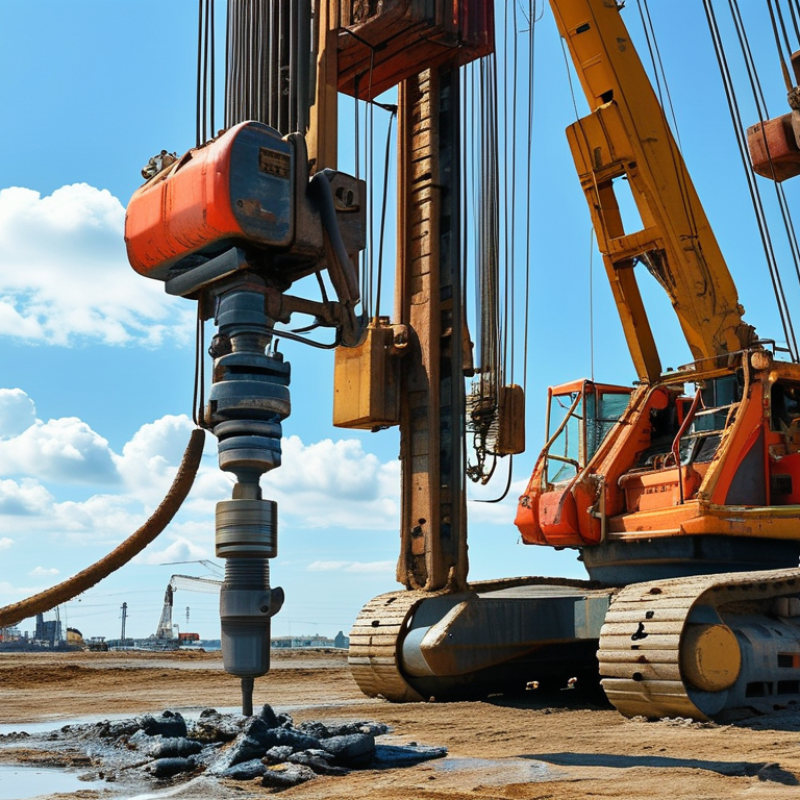
The drilling rig equipment market is poised for significant shifts in 2026. Advanced technologies are emerging, transforming how rigs operate. Automation and efficient energy solutions are now at the forefront. This transition can enhance productivity but also raises some concerns.
Sustainability is becoming a major focus. Eco-friendly materials and practices are expected to increase. Yet, the higher costs associated with these innovations could challenge some buyers. Companies must weigh the benefits against the financial impact. Strategic decisions will be vital in navigating this landscape.
Safety standards are evolving too. The demand for equipment that prioritizes worker safety is growing. Enhanced monitoring systems can reduce risks. However, not all manufacturers keep pace with these changes. Buyers need to prioritize sourcing from reliable suppliers who invest in safety innovations. Balancing these factors will be crucial for success in the 2026 drilling rig market.
| Equipment Type | Market Share (%) | Growth Rate (%) | Key Features |
|---|---|---|---|
| Rotary Drilling Rigs | 35 | 5 | High efficiency, suitable for deep drilling |
| Directional Drilling Rigs | 25 | 6 | Enhanced precision, reduced environmental impact |
| Hydraulic Rigs | 20 | 4.5 | Powerful lifting capability, versatile operations |
| Top Drive Systems | 10 | 7 | Increased drilling speed, improved safety |
| Support Equipment | 10 | 3 | Includes mud pumps, generators, etc. |
Purchasing drilling rig equipment requires careful consideration of various factors. The current market trends indicate a rising demand for advanced technology. According to a 2023 industry report, nearly 75% of buyers prioritize automation in their purchasing decisions. This trend reflects a shift toward increased efficiency and safety in operations. Automated rigs can reduce human error. They enhance drilling precision, which is crucial for cost management.
Another significant factor is environmental impact. Companies are increasingly concerned about sustainability. A recent survey noted that 66% of equipment buyers consider eco-friendliness essential. Innovations like electric rigs and low-emission technologies are gaining traction. Buyers seek equipment that complies with strict environmental regulations. This shift towards greener technology can often complicate purchasing decisions.
Budget constraints also play a critical role. Economic fluctuations influence pricing. In 2023, equipment costs varied widely, with some essential components experiencing price hikes of over 15%. Buyers must balance their needs with financial limitations. Often, this leads to tough choices. They might have to forego advanced features for budget-friendly options. This detailed decision-making process is vital in ensuring optimal returns on investment.
When considering drilling rig equipment, buyers should focus on several essential types that enhance efficiency and safety. Key components include the rig itself, hydraulic systems, and power units. Each piece plays a vital role in the drilling process, shaping overall performance.
Tips: Assess your operational needs before making a purchase. Think about the types of terrain you'll encounter. Does your setup need customization for unique environments? Tailoring equipment can lead to better productivity.
Another critical area is safety equipment. Protective gear and safety systems ensure the well-being of all personnel on-site. Investing in high-quality safety equipment can reduce risks and create a more reliable working environment.
Additionally, consider maintenance requirements. Some equipment necessitates frequent upkeep, while others might have lower maintenance needs. Understand these demands for long-term planning. Effective maintenance strategies can extend equipment life and enhance return on investment.
As we approach 2026, the demand for advanced drilling rig equipment continues to rise. This surge emphasizes the need for reliable manufacturers and suppliers in the industry. Companies must prioritize quality while maintaining competitive pricing. Buyers are increasingly looking for innovative technology to enhance efficiency and safety. The choice of equipment directly impacts productivity and project timelines.
It is essential to conduct thorough research on potential suppliers. Look for those with a proven track record in the industry. Assess their customer reviews and quality certifications. A strong reputation often indicates reliability.
Tip: Don't rush into a purchase. Evaluate your specific needs and how different manufacturers can meet them. Many suppliers offer customization options, which can improve project outcomes. Understanding the features and specifications of the equipment is vital. Misjudgments here can lead to costly mistakes.
Investing time in selecting the right partners is critical. Building long-term relationships with credible suppliers can result in better service and support. Longevity in partnerships fosters trust, which is beneficial for future projects.
The drilling rig industry is on the cusp of transformation. Innovations are reshaping how rigs operate. Automation, artificial intelligence, and augmented reality are set to become staples in drilling operations. Smart sensors can now continuously monitor equipment conditions, providing real-time data. This shift enhances safety and efficiency, reducing downtime significantly.
The focus on sustainable practices is also vital. Eco-friendly drilling techniques are emerging. These innovations aim to minimize environmental impact while maximizing productivity. Hybrid and electric rigs are no longer just concepts. They will likely become a reality by 2026, responding to the push for cleaner energy solutions. Companies must adapt or risk falling behind.
Yet, challenges remain. Implementing new technologies can be costly. Training the workforce is another hurdle. There's a learning curve, and not everyone may adapt easily. Industry players must consider how to bridge the gap between existing practices and innovative approaches. Balancing progress with practicality is essential for a successful transition.
This chart illustrates the projected growth and innovation trends in drilling rig technology and equipment design for 2026. The data represents the estimated investment in various categories of drilling rig equipment.
: Advanced technologies and sustainability are dominating trends. Automation and energy solutions lead the way.
There's a growing demand for equipment that enhances worker safety. Enhanced monitoring systems help reduce risks.
Higher costs associated with sustainable innovations can be a challenge. Companies must weigh benefits against financial impacts.
The choice of equipment directly impacts productivity and project timelines. Quality and reliability matter greatly.
Thorough research on suppliers is crucial. Check their reputation, customer reviews, and quality certifications.
Many suppliers offer customization options. Understanding equipment features can prevent costly mistakes.
Innovations like automation and smart sensors will enhance safety and efficiency. Real-time data monitoring is key.
Costs can be high, and training the workforce is essential. Adapting to new methods may take time.
Balancing progress with practicality is important. Each company's existing practices should align with new approaches.
Sustainable practices are crucial to minimize environmental impact. Hybrid and electric rigs are becoming a reality.
The "Top Drilling Rig Equipment Buyers Guide for 2026" outlines the evolving landscape of the drilling rig equipment market. As the industry progresses towards 2026, key trends emerge, including advancements in technology and sustainable practices. Factors such as cost efficiency, performance reliability, and regulatory compliance significantly influence purchasing decisions.
Buyers are encouraged to consider essential types of drilling rig equipment, including rotary rigs, top drive systems, and mud pumps, which are crucial for enhanced operational efficiency. Furthermore, the guide highlights the importance of selecting reputable manufacturers and suppliers, as well as the anticipated innovations that may shape future designs in drilling rig technology. With a focus on optimizing performance and safety, this guide serves as an essential resource for informed purchasing in the drilling rig equipment sector.

MTPM RigParts