When investing in drilling equipment components, buyers must be well-informed. Choosing the right components is crucial for efficiency and safety. The market offers a wide range of options, each serving different needs.
Understanding the specifics of drilling equipment components can enhance operational success. Knowledgeable buyers can better navigate complex decisions. Factors like durability, compatibility, and maintenance play significant roles. A thoughtful approach helps avoid costly mistakes and downtime.
Reflecting on past experiences can provide valuable insights. Some buyers rush their choices, leading to regret later. Investing time in research can yield better outcomes. Emphasizing quality over price often leads to superior performance. In the end, informed choices lay the foundation for successful drilling operations.
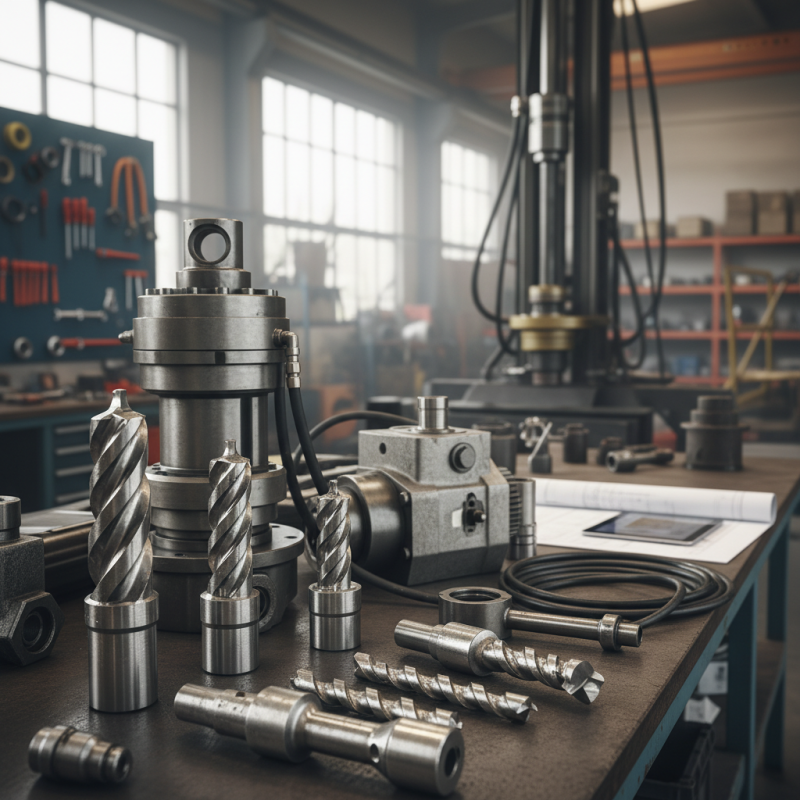
Understanding the key components of drilling equipment is essential for any buyer. While various types exist, certain standard components are crucial for effective operations. The drill bit is a primary part. It performs the task of cutting through the earth. Various designs suit different formations. Studies show that the choice of drill bit affects the overall efficiency by up to 30%.
Another vital component is the drill string. This assembly transmits rotational force from the surface to the bit. Its design directly influences drilling rates. Recent industry reports indicate that selecting the appropriate drill string materials can enhance durability, reducing downtime for repairs. However, not all buyers consider the implications of poor selection.
Mud pumps also play a significant role. They circulate drilling fluid, maintaining pressure and cooling the bit. Industry standards suggest that having the right pump capacity can improve performance by nearly 25%. Yet, some buyers overlook the importance of pump specifications, which can lead to operational inefficiencies. The drilling environment is complex, and a one-size-fits-all approach often leads to costly mistakes. Understanding these components can enhance decision-making for anyone in the field.
| Component | Description | Importance | Maintenance Tips |
|---|---|---|---|
| Drill Bit | The cutting tool used to penetrate rock formations. | Critical for drilling efficiency and depth. | Inspect regularly for wear; replace when dull. |
| Drill Pipe | Hollow tubes that transfer drilling fluid and connect the drill bit to the rig. | Essential for transmitting torque and pressure. | Check for corrosion and mechanical damage; maintain proper storage. |
| Mud Pump | Circulates drilling fluids down the drill string and back up the annulus. | Vital for cooling the bit and removing cuttings. | Regularly service and check fluid levels; inspect for leaks. |
| Blowout Preventer (BOP) | Safety device that prevents uncontrolled release of oil or gas. | Crucial for safety and environmental protection. | Test regularly and ensure all functions operate properly. |
| Rotary Table | Equipment used to rotate the drill string. | Necessary for drilling operations and maintaining momentum. | Lubricate and check alignment; monitor for any unusual noise. |
| Derrick | Structure that supports drilling equipment and provides stability. | Important for safety and operation efficiency. | Inspect for structural integrity; ensure all connections are secure. |
: Regular maintenance prevents costly breakdowns and extends the lifespan of equipment. It’s often overlooked but essential.
Keep components clean and free of debris. Inspect seals for leaks and lubricate moving parts regularly.
Track repairs and replacements. Documentation builds reliability and aids in future decision-making.
Certifications ensure equipment meets quality and safety standards. Non-compliance can lead to delays and hazards.
Look for ISO 9001 and API standards. These indicate that the equipment has undergone rigorous evaluation.
Brand reputation affects reliability. Analyze customer reviews but remember they can be biased and inconsistent.
Reliable support can save time and prevent project disruptions. Reflect on past experiences with service quality.
Maintenance schedules vary based on usage. Regular checks help to identify issues early and enhance equipment durability.
Cheaper tools may wear out quickly, leading to frequent replacements and increased long-term costs.
Without proper documentation, claims about equipment reliability may be questionable, leading to unexpected issues.
When purchasing drilling equipment, understanding the key drilling equipment components is crucial for making informed decisions. Each component plays a significant role in the overall performance and efficiency of the equipment. Potential buyers should consider essential features such as durability, compatibility, and operational efficiency to ensure they select the right tools for their specific needs.
Maintenance is another critical aspect that contributes to the longevity of drilling equipment components. Adopting proactive maintenance practices can help avoid costly repairs and downtime. Additionally, it is important for buyers to familiarize themselves with industry standards and certifications to ensure they are investing in reliable and compliant equipment. By following these tips and conducting thorough research, buyers can enhance their drilling operations effectively.

 MTPM RigParts