In the dynamic world of drilling operations, understanding Mud Pump Parts is crucial for efficiency. Expert James McCarthy, a seasoned engineer in the oil and gas sector, emphasizes, “Quality parts directly enhance pump performance.” This highlights the significance of knowing each component's role.
Mud pumps are essential for transporting drilling fluid, which cools the drill bit and carries rock cuttings. The intricacies of Mud Pump Parts influence the overall system's reliability. A single faulty component can lead to operational delays and increased costs. This reality often raises questions about the durability and maintenance of these vital parts.
Despite advancements, some operators underestimate the diversity of Mud Pump Parts. Many rely on generic information, overlooking specific needs. This gap can result in suboptimal performance and unexpected failures. As the industry evolves, staying informed about these components is essential. A proactive approach to understanding Mud Pump Parts ensures more efficient operations and reduces potential setbacks.
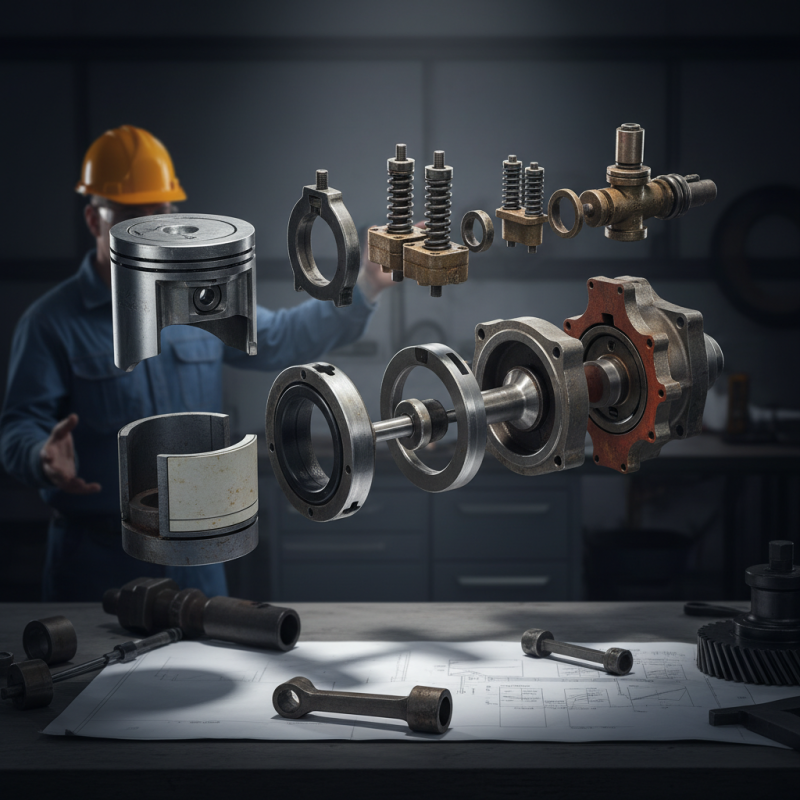
Mud pumps play a critical role in drilling operations, delivering the drilling fluid needed to cool the bits and carry cuttings to the surface. Understanding the key components of these pumps is essential for ensuring efficient operation. The power end generates the necessary energy, while the fluid end manages the movement of the drilling fluid. Maintenance and familiarity with each part can significantly enhance performance.
One major component is the piston. It creates pressure to drive the fluid through the system. If a piston wears down, it can lead to leaks and inefficient pumping. Similarly, the valves control the flow of fluids, and any malfunction can disrupt operations. A little attention to these components can save time and money in the long run.
Another part worth noting is the drive shaft. It connects the motor to the pump and transfers energy effectively. If it misaligns, it causes vibration and decreases efficiency. Operators must regularly inspect these parts to avoid costly downtime. Understanding these details helps identify potential issues before they escalate. Managing the components of a mud pump demands diligence and regular assessment to ensure optimal performance.
In drilling operations, the mud pump is a critical component. It circulates drilling fluid, or mud, which cools the drill bit and carries rock cuttings to the surface. A report from the International Association of Drilling Contractors indicates that efficient mud circulation can improve drilling rates by 15% to 25%. Understanding this role helps operators optimize performance.
The mud pump itself consists of several essential parts, each playing a significant role. The piston, for example, generates pressure to move the mud. The fluid end contains valves essential for directing the flow. If these components fail, the entire operation can suffer delays and increased costs. Some reports highlight that up to 20% of drilling downtime can be attributed to mud pump failures. Regular maintenance and monitoring are vital but often overlooked. Operators sometimes underestimate the impact of wear and tear on pump efficiency.
Many overlook the importance of integrating real-time monitoring systems. These systems can foresee potential issues with mud pumps, preventing mishaps. Investing in technology can enhance reliability, as shown in recent studies showing a 30% reduction in failure rates with proper monitoring in place. Operators must foster a deep understanding of these systems to ensure the safest and most efficient drilling operations possible.
When discussing mud pump efficiency, understanding performance metrics is crucial. Key specifications include displacement rates, pressure capabilities, and power consumption. Each of these metrics directly impacts operational efficiency. Displacement rates determine how much drilling fluid is circulated. High rates improve drilling speed but also increase wear and tear on components.
Pressure capabilities are vital for overcoming drilling challenges. Higher pressures can lead to better penetration but may also stress the pump. It’s essential to find the right balance. Excessive pressure can cause failures. Therefore, operators must monitor these metrics closely.
Power consumption is another critical factor. It relates to operational costs and overall system efficiency. Operators should aim for pumps that provide the best output with minimal energy use. Regular evaluations of these performance metrics can reveal opportunities for improvement. Understanding these details is not always easy, but it is necessary for effective operations in mud pumping.
| Part Name | Description | Material | Performance Metric | Efficiency Rating |
|---|---|---|---|---|
| Drive Shaft | Transfers power from the motor to the pump | Carbon Steel | RPM: 2000 | 95% |
| Cylinders | Houses the piston and mud for pumping | Aluminum Alloy | Pressure: 1000 psi | 90% |
| Piston | Generates movement within the cylinder | Nitrile Rubber | Stroke Length: 12 in | 92% |
| Valves | Controls the flow of mud into and out of the pump | Stainless Steel | Flow Rate: 50 L/min | 89% |
| Suction Screen | Prevents debris from entering the pump | Plastic Mesh | Mesh Size: 100 microns | 87% |
| Discharge Manifold | Distributes the mud to drilling lines | Cast Iron | Pressure Rating: 1200 psi | 91% |
| Oil Lubrication System | Provides lubrication to moving parts | Synthetic Oil | Viscosity: 20W-50 | 93% |
| Pressure Sensor | Monitors pressure levels within the pump | Silicon | Range: 0 - 1500 psi | 94% |
| Control Panel | Facilitates the operation of the pump | Plastic | User Interface: Digital | 90% |
| Frame | Houses all pump components securely | Welded Steel | Weight: 350 lbs | 95% |
Maintaining mud pump efficiency requires attention to critical components. Regular inspection of wear parts is essential. According to industry studies, nearly 40% of failures are attributed to inadequate maintenance. Key components such as pistons and liners must be monitored for wear and tear. Operators should replace these parts every 1,000 operating hours to prevent downtime and potential damage.
Lubrication plays a vital role in the longevity of mud pumps. The right lubrication reduces friction and wear, which can lead to premature failures. A recent report indicated that improper lubrication practices can decrease pump life by 50%. Operators should use high-quality lubricants and adhere to manufacturer's recommendations. Additionally, routine maintenance should include checking seals and gaskets, as leaks can lead to significant operational issues.
Monitoring performance metrics can provide insights into the need for maintenance. Tracking parameters like fluid pressure and temperature helps in identifying anomalies. Regular data analysis can hint at underlying problems before they escalate. Feedback from operators shows that consistent data monitoring leads to a 25% reduction in unplanned outages. Embracing a proactive maintenance strategy is key for enhancing the performance of mud pumps.
The mud pump is essential in drilling operations. Recent advancements in mud pump parts revolutionize efficiency and performance. By innovating materials and designs, manufacturers enhance durability and reduce downtime. For example, lighter, composite materials can reduce the overall weight of pumps without compromising strength. This allows for easier transportation and installation.
Moreover, smart technology integration is a key trend. Sensors can monitor pump performance in real-time. This helps operators identify issues before they escalate. Predictive maintenance becomes more feasible, reducing costly repairs. However, implementing such technology requires training and adaptation. Not all operators may fully understand new systems.
As the industry evolves, sustainability is also a focus. Eco-friendly materials and energy-efficient designs are emerging. Companies are pushed to consider their environmental impact. While innovation brings potential benefits, it also poses challenges. Balancing cutting-edge advancements with reliability is crucial. Each innovation requires careful evaluation to ensure it meets operational needs.
: Mud pumps deliver drilling fluid to cool bits and carry cuttings to the surface.
It ensures efficient operation and helps identify issues early on.
Worn pistons can cause leaks and decrease pumping efficiency.
Misalignment leads to vibrations and reduced efficiency.
Regular inspections, especially after 1,000 operating hours, are vital.
It can reduce pump life by up to 50% due to increased wear.
Key metrics like fluid pressure and temperature should be consistently tracked.
Inadequate maintenance causes nearly 40% of pump failures.
It reveals potential issues and reduces unplanned outages by 25%.
Regularly check seals and components to avoid leaks and inefficiencies.
The article titled "Top 10 Must Know Mud Pump Parts for Efficient Operations" delves into the essential components that make up mud pumps, which are critical in drilling operations. It provides an overview of key mud pump parts, emphasizing their roles in enhancing performance and reliability.
Additionally, the article discusses technical specifications that are crucial for evaluating the efficiency of mud pumps, alongside maintenance guidelines that can significantly prolong the lifespan and effectiveness of these critical tools. Lastly, it highlights industry trends and innovations in mud pump parts, showcasing how advancements are reshaping operations and improving overall drilling efficiency. Understanding these elements is vital for anyone involved in drilling operations to ensure optimal performance and reliability.

MTPM RigParts