China’s mud-pump market includes many manufacturers, but product names alone reveal little. A reliable Mud Pump Piston Rod must survive repeated loading, abrasive drilling fluids, pressure changes, and imperfect field conditions. Its performance depends on metallurgy, forging quality, heat treatment, surface finishing, dimensional control, and inspection records.
As oilfield equipment engineer Li Wei explains, “A piston rod is small in size, but it carries the discipline of the entire manufacturing process.” This practical observation deserves attention. A polished surface cannot compensate for weak material. Likewise, an impressive catalog cannot replace traceable testing. Buyers should examine alloy specifications, hardness data, coating thickness, thread accuracy, straightness, and fatigue performance before selecting a supplier.
This guide introduces China’s top ten Mud Pump Piston Rod manufacturers through a field-oriented comparison. It considers manufacturing experience, production capacity, customization, quality systems, export service, and after-sales support. The evaluation also looks at details engineers notice during maintenance, such as premature scoring, thread damage, seal wear, and rod misalignment.
No ranking is perfect. Supplier capabilities can change, and published information may remain incomplete. That is why technical verification still matters. Request recent inspection reports, confirm dimensions against your pump model, and ask how rejected parts are controlled. The strongest manufacturer is not always the largest one. It is often the supplier that explains limitations clearly, provides consistent documentation, and delivers rods that perform steadily under real drilling pressure.
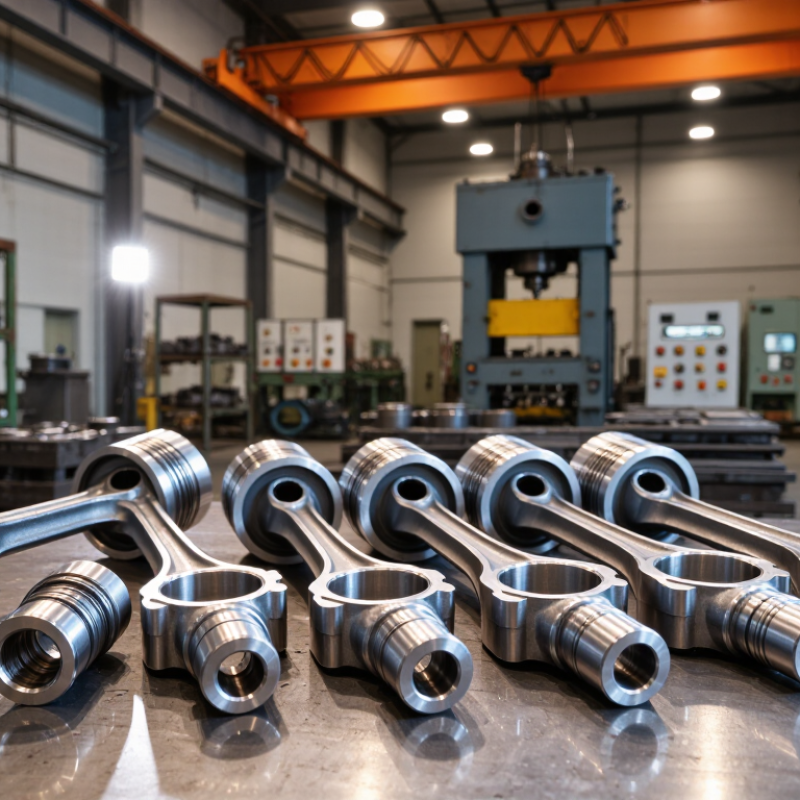
Mud pump piston rods transfer hydraulic force from the power end to the fluid end. They work under heavy load, vibration, abrasive drilling fluid, and repeated pressure cycles. A small surface defect can grow into a costly failure.
Most reliable rods use forged alloy steel with controlled heat treatment. The material needs high tensile strength, fatigue resistance, and stable dimensions. Surface protection may include hard chrome or carbide-based coatings, depending on the pump design and working fluid. The coating must bond evenly. A bright finish alone proves little. Check hardness, coating thickness, adhesion, straightness, and thread accuracy.
Performance standards should reflect both design requirements and field conditions. Buyers commonly review API Spec 7K-related requirements, approved drawings, material certificates, heat-treatment records, and non-destructive testing reports. Dimensional inspection should cover runout, bearing surfaces, shoulders, and threaded sections. In operation, technicians should watch for scoring, pitting, coating loss, and unusual rod movement. These signs often appear before a major breakdown.
A perfect-looking rod can still fail. That is the uncomfortable part. Poor alignment, unsuitable packing, or dirty fluid may damage good material quickly. Therefore, manufacturer evaluation should include process controls, batch traceability, inspection equipment, and realistic load testing. Laboratory data matters, but field feedback matters too. The strongest specification is not always the most expensive one.
Evaluating China’s top mud pump piston rod manufacturers requires more than comparing online rankings. A reliable supplier should understand pressure cycling, abrasive drilling fluids, and shaft alignment. Ask for detailed drawings, steel grades, heat-treatment records, and surface-hardness data. These documents reveal technical discipline.
Request a sample rod before placing a large order. Check its diameter with a calibrated micrometer, and inspect the polished surface under strong light. A rough finish can damage packing quickly. Ask whether the manufacturer controls chrome thickness, straightness, and thread accuracy in-house. Independent laboratory reports add confidence, but verify the report numbers. Paperwork can look convincing.
Factory experience matters. Review similar production records, rejection rates, delivery history, and spare-part compatibility. A serious manufacturer should explain how it traces each rod from raw steel to final inspection. Clear answers are valuable. Vague promises are not.
Do not judge price alone. Compare material consistency, testing depth, packaging, warranty terms, and replacement response. A low quotation may hide weak coating control or unstable subcontracting. I have found that even experienced buyers sometimes overlook communication speed during technical changes. That mistake becomes expensive later. No checklist is perfect. Leave room for trial orders, measurable acceptance criteria, and a second inspection before shipment.
Recommended procurement weighting for evaluating mud pump piston rod manufacturers. The framework emphasizes product quality, material traceability, wear resistance, dimensional control, delivery capability, and after-sales support rather than company or brand names.
Quality systems and material traceability receive the highest weights because piston rods operate under repeated impact, pressure, abrasion, and sealing loads. Buyers should verify these criteria through inspection reports, material certificates, dimensional records, coating tests, delivery history, and warranty terms.
China’s mud pump piston rod sector serves drilling, workover, and fluid-handling operations worldwide. The International Energy Agency’s Oil 2024 report forecasts global oil demand will rise by 3.2 million barrels per day between 2023 and 2029. That outlook supports continued demand for dependable replacement parts.
A credible top-10 list should compare more than factory size. Key measures include steel traceability, heat-treatment control, surface hardness, dimensional accuracy, and documented fatigue testing.
In field inspections, a piston rod may fail through seal wear, corrosion pitting, or poor thread alignment. These details matter more than polished catalog photographs. Manufacturers with CNC machining, controlled chrome plating, and repeatable inspection records deserve stronger consideration.
ISO 9001 certification helps, but it does not prove every batch is consistent. That point is often overlooked.
Comparing China’s top ten mud pump piston rod manufacturers requires more than checking catalog prices. The practical review should cover rod materials, heat treatment, surface coatings, machining accuracy, and replacement support. Common products include forged alloy-steel rods, chrome-plated rods, ceramic-coated rods, and corrosion-resistant options for demanding drilling fluids.
Manufacturing capability becomes visible on the factory floor. Look for CNC grinding, controlled polishing, calibrated measuring equipment, and stable batch production. Quality control should include hardness testing, coating-thickness checks, dimensional inspection, straightness measurement, and documented final testing. Traceability matters. Each rod should connect to a material certificate, process record, and inspection report. Useful suppliers can explain tolerance limits clearly, not merely display attractive photographs.
Field experience also deserves attention. Ask about service life, packing quality, delivery consistency, and failure analysis after returns. A polished catalog is not proof. Some manufacturers communicate well but provide weak inspection evidence; others have strong workshops but slow technical responses. This is an uncomfortable part of comparison. Even a capable supplier can miss a coating defect or overlook packaging damage. Independent sample testing may expose these gaps before large orders. Buyers should compare measurable evidence, production discipline, and corrective-action records rather than relying on reputation alone.
Choosing among China’s top mud pump piston rod manufacturers requires more than comparing prices. The IEA’s Oil 2024 report forecasts global oil demand to reach about 105.4 million barrels per day by 2030. This supports continued drilling activity and demand for reliable replacement parts. A suitable supplier should understand high-cycle loading, abrasive drilling fluids, and field maintenance pressures.
Ask for complete material traceability. Each piston rod should have heat numbers, chemical composition, heat-treatment records, and dimensional inspection results. Check the steel grade against your pump design and operating conditions. Surface hardness matters, but uniform hardness matters more.
Request reports for ultrasonic testing, magnetic-particle testing, thread inspection, and coating thickness. API Specification 7K provides widely recognized requirements for drilling and well-servicing equipment, although buyers must confirm the exact application and compliance scope.
Do not trust certificates alone. Visit the factory, or arrange an independent inspection before shipment. Review machining equipment, calibration records, and rejected-part procedures.
Ask for fatigue or endurance test data using conditions close to your operation. A supplier offering only a polished sample is not enough.
In my experience, small thread defects often create larger maintenance problems later. This is easy to underestimate.
Compare lead time, spare-part consistency, packaging, warranty response, and technical communication. A cheaper rod can become expensive after one unexpected shutdown.
Request material certificates, steel grades, heat-treatment records, and hardness results. Ask for coating thickness and final inspection reports. Paperwork can look convincing. Verify report numbers independently.
A sample reveals manufacturing quality before a large commitment. Measure its diameter with a calibrated micrometer. Inspect the polished surface under strong light. Small defects can shorten packing life.
Check diameter, straightness, thread accuracy, and surface finish. Confirm the thread form and packing arrangement. Tiny tolerance changes matter. They may reduce seal life.
Ask how the factory controls chrome or ceramic coating thickness. Request hardness and coating measurements from the actual production lot. Look for corrosion pits, peeling, or uneven polishing. The surface should feel consistent.
No, certification supports process discipline but does not prove every batch is consistent. Review batch inspection records and failure data. Evidence matters more.
Look for CNC grinding, calibrated measuring tools, and controlled polishing. Ask how each rod moves from raw steel to final inspection. Clear answers matter. Vague promises do not.
Price should not stand alone. Compare materials, testing depth, packaging, warranty terms, and replacement response. A low quotation may hide weak coating control. Cheap can become expensive.
Use a trial order with measurable acceptance criteria. Request samples from different production lots when possible. Arrange a second inspection before shipment. No checklist is perfect. Communication speed also deserves attention.
This guide explores the essential role of the Mud Pump Piston Rod in drilling systems, where it transfers hydraulic force, supports stable reciprocating motion, and helps maintain reliable fluid circulation under demanding operating conditions. It explains common material choices, surface treatments, dimensional requirements, and performance standards, with attention to wear resistance, corrosion protection, fatigue strength, and compatibility with different mud pump designs.
The article also presents a practical framework for evaluating China’s top 10 mud pump piston rod manufacturers without focusing on brand names. It compares product range, machining capability, heat treatment, inspection procedures, quality control, customization support, delivery reliability, and technical service. Finally, it offers a supplier-selection checklist to help buyers assess drawings, certifications, testing records, production consistency, communication, and total value before choosing the most suitable Chinese piston rod partner.

MTPM RigParts