Mud Pump Valves work under demanding conditions. They open and close repeatedly while abrasive drilling fluid moves through the pump. A valve that fits poorly, wears too quickly, or fails to seal can interrupt operations and increase maintenance needs. That makes manufacturer selection more than a price comparison.
China has a broad industrial supply base, but suppliers differ in product range, manufacturing capability, and quality controls. Some focus on replacement parts for particular pump models. Others offer a wider selection of valves, seats, and related fluid-end components. Buyers should check dimensions, material specifications, heat-treatment details, and compatibility with the pump’s operating conditions. Ask for drawings and inspection records. Verify claims against actual documents.
Small details matter. Seat contact surfaces, machining consistency, and packaging can affect how parts perform after installation. So can lead times and the supplier’s ability to answer technical questions clearly. A polished catalog is useful, but it is not proof of consistent production. Not always.
This guide explores China-based Mud Pump Valves manufacturers and the practical factors that help distinguish them. It does not treat any company as a universal best choice; suitability depends on the application, service environment, and buyer’s requirements. Some information may change, and supplier claims should be independently checked before a purchase. That caution is useful. A careful comparison can help drilling contractors, distributors, and maintenance teams identify suppliers worth evaluating—without confusing a low quotation with dependable value.
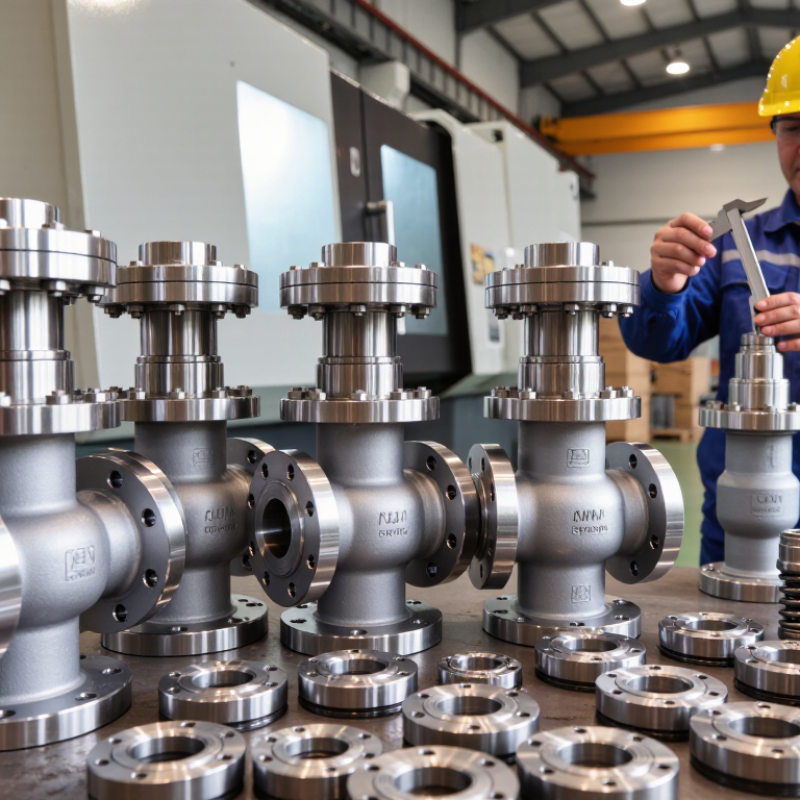
Who Are the China Top Mud Pump Valve Manufacturers?
What Mud Pump Valves Are and How They Work
Mud pump valves control drilling-fluid flow through a pump’s fluid end. Each valve assembly typically includes a valve body, seat, and spring or other retaining parts. During the suction stroke, pressure changes lift the suction valve, allowing fluid into the cylinder. On the discharge stroke, that valve closes while the discharge valve opens, sending fluid into the high-pressure line. The sequence repeats with every pump cycle. Small components, heavy workload.
Valve performance depends on a close fit between the valve and seat. Abrasive solids, heat, and repeated impacts can gradually wear sealing surfaces. A damaged seat may allow fluid to leak backward, reducing pump efficiency and making pressure less stable. Operators and maintenance teams often check for uneven wear, cracks, and debris during inspections. Material selection and dimensions should match the pump design, fluid conditions, and operating pressure. A familiar part may still behave differently when the mud composition changes.
Tips: Keep valves and seats clean during inspection, and record wear patterns over time. Compare replacement parts with the pump’s specifications rather than relying on appearance alone. If pressure fluctuates, check the full fluid end; the valve may not be the only cause. One overlooked detail can matter.
Mud pump valves are one-way check-valve assemblies used to control drilling-fluid flow through a reciprocating pump. The exact valve style, dimensions, and materials depend on the pump design and operating conditions.
| Valve element or stage | Where it is used | What it does | How it works | Practical selection and inspection notes |
|---|---|---|---|---|
| Suction (inlet) valve | Fluid-end inlet passage | Allows drilling fluid to enter the pump chamber and helps prevent it from flowing back toward the inlet. | As the piston or liner volume increases, the pressure difference opens the valve. On the pressure stroke, it closes. | Check the valve size and design against the pump fluid end. Inspect the sealing surfaces and moving parts for wear or debris. |
| Discharge (outlet) valve | Fluid-end outlet passage | Allows pressurized drilling fluid to leave the pump chamber and limits reverse flow from the discharge line. | During the pressure stroke, chamber pressure opens the valve. As the chamber pressure falls, the valve closes. | Use a compatible valve assembly for the pump model and service conditions. Leakage, damaged sealing faces, or sluggish movement can reduce pumping performance. |
| Valve body and seat | Within the valve assembly and fluid-end pocket | Support the moving valve element and provide the surface against which it seals. | The valve element lifts away from the seat to permit flow, then returns to contact the seat to restrict reverse flow. | Materials and seat geometry vary by design. Check for erosion, pitting, cracking, and uneven contact; replace components according to the applicable service guidance. |
| Valve element and insert | Moving portion of the valve; insert is fitted in some designs | Moves in response to changing pressure and helps form the seal against the seat. | Depending on the design, the moving element may be a disc, plate, or another specified shape. Some designs use an elastomer insert to provide a sealing surface. | Insert material should be compatible with the drilling fluid, temperature, and service conditions. Inspect for cuts, deformation, swelling, or separation. |
| Valve spring (where fitted) | Inside certain valve assembly designs | Helps return or position the moving valve element in designs that include a spring. | Spring action assists valve movement; opening and closing still depend on the assembly design and pressure conditions. | Not all mud pump valves use the same spring arrangement. Confirm the specified configuration rather than substituting parts based on appearance alone. |
| One reciprocating pump cycle | Suction and discharge passages working together | Moves fluid into the chamber and then out toward the discharge line. | On the suction stroke, the inlet valve opens and the outlet valve closes. On the pressure stroke, the inlet valve closes and the outlet valve opens. | The valves operate as check valves; the pump’s full operating limits depend on its model and configuration. Verify pressure, fluid, and dimensional requirements in the pump documentation. |
Note: Valve dimensions, materials, and assembly details are model-specific. Confirm interchangeability and operating limits with the relevant pump documentation before ordering or installation.
It controls drilling fluid entering and leaving the pump cylinder. Small parts, heavy work.
During suction, pressure lifts the suction valve and fluid enters the cylinder. During discharge, it closes and the discharge valve opens, sending fluid into the high-pressure line.
Look for uneven wear, cracks, debris, or damaged sealing surfaces. A worn seat can let fluid leak backward and make pressure less stable.
Compare dimensions and materials with the pump specifications. Keep parts clean during inspection, and record wear patterns over time. Appearance alone can mislead.
Request material certificates, dimensional reports, and pressure-test records. Check batch traceability and whether the test pressure matches the agreed specification.
Examine the body finish, sealing surface, spring, and machining marks. A sample trial helps, though one good sample cannot prove every batch is consistent.
Not reliably. National oil production indicates upstream activity, not valve sales or supplier rankings. I would treat unsupported “top” claims cautiously.
Ask comparable customers about service life, delivery consistency, and complaint handling. No supplier is flawless. Documentation gaps can cause delays, even when machining looks strong.
This article explains what Mud Pump Valves do, how they control fluid flow in drilling operations, and why their design and materials matter for reliable performance. It also outlines how China’s manufacturing sector is organized, from specialized component producers to broader equipment suppliers, and describes the capabilities that distinguish leading manufacturers without focusing on specific brand names.
Readers will learn how to compare manufacturers by examining product range, material quality, production capacity, customization options, quality-control processes, and technical support. The guide offers a practical framework for assessing a China-based supplier and choosing Mud Pump Valves that suit operating requirements, expected service conditions, and long-term maintenance needs.

 MTPM RigParts