The drilling equipment market is evolving rapidly, driven by technological advancements and sustainability initiatives. According to a recent report by Allied Market Research, the global drilling equipment market is projected to reach $12.7 billion by 2026, growing at a CAGR of 5.2%. This growth reflects a demand for more efficient and environmentally friendly equipment.
Buyers must pay attention to these trends to make informed purchasing decisions. Innovations such as automated drilling and smart sensors enhance operational efficiency. These technologies can reduce costs and improve safety. However, the rapid pace of change presents challenges. Companies must adapt to new standards and practices that come with advanced drilling solutions.
Sustainability is now a critical focus in the drilling sector. Equipment that minimizes environmental impact is gaining traction. This shift towards greener technologies is essential for companies aiming to meet regulatory requirements. As the industry evolves, understanding these dynamics is crucial for stakeholders in the drilling equipment market.
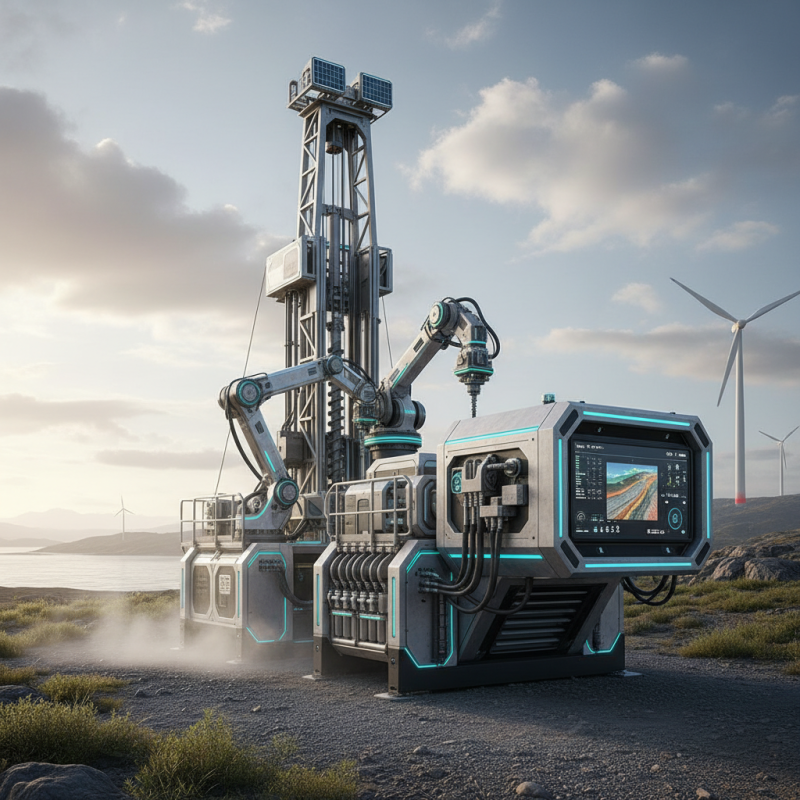
As we move into 2026, the drilling equipment industry is poised for major technological advancements. Automation is set to reshape the way drilling operations are conducted. Smart drilling systems can optimize efficiency and reduce operational risks. These systems utilize sensors and data analytics to monitor real-time performance, enhancing decision-making processes.
Another key trend is the integration of eco-friendly technologies. Emphasis on sustainability drives innovation in drilling practices. Equipment designed to minimize environmental impact is becoming essential. This includes systems that reduce emissions and increase energy efficiency.
However, adapting to these technologies can be challenging for traditional operators. The initial investment costs can be high, and training staff on new systems demands time and resources.
In addition to automation and sustainability, enhanced safety features are emerging. Safety technologies like advanced remote monitoring help identify hazards quickly. Yet, companies must reflect on proper implementation.
Overreliance on tech can create complacency among workers. Balancing innovation with human oversight is crucial in this evolving landscape. Consequently, staying informed about these trends is vital for buyers to make wise investments in drilling equipment for the future.
In 2026, the drilling equipment market will see several key factors affecting purchasing decisions. An increase in global energy demands drives buyers to seek advanced technology. A report by MarketsandMarkets stated that the drilling equipment market is expected to reach USD 9.3 billion by 2026, reflecting a growth rate of around 6.2%. This growth calls for smarter, more efficient equipment that can reduce operational costs.
Buyers are also influenced by sustainability trends. Companies are prioritizing eco-friendly practices. Drilling equipment that minimizes environmental footprints is becoming critical. A survey by Deloitte indicated that 61% of companies plan to invest in green technologies in the next few years. This shift highlights a focus on long-term investments rather than quick wins.
**Tip:** Research vendor stability and technology insights when making purchases. Understanding market trends helps buyers adapt to changes. Consider the total cost of ownership, not just the initial price of the equipment. Make informed decisions to avoid potential pitfalls in the rapidly evolving market.
Moreover, supply chain stability will be crucial as geopolitical factors may impact availability. As a result, potential buyers should regularly assess their suppliers. Evaluate their logistical capabilities and responsiveness to market shifts.
Sustainability is becoming crucial in drilling equipment development. As pressure mounts to reduce environmental impact, innovations are emerging. Companies strive to adopt cleaner technologies. They focus on reducing emissions and energy consumption. This shift is not just ethical; it's also economically smart.
Advanced materials are in focus. Lightweight and durable composites are gaining traction. They help reduce fuel consumption in drilling operations. Moreover, many firms are exploring biodegradable lubricants. These offer a crucial alternative to traditional, harmful chemicals. However, knowledge about these eco-friendly options is still developing. Some companies remain hesitant, unsure of performance or costs.
A challenge lies in training the workforce. New technologies require updated skills. There is a gap between innovation and practical application. As the industry evolves, operators must adapt quickly. Strong partnerships with research institutions can bridge this divide. The path to sustainable drilling requires commitment and collaboration.
As we approach 2026, the drilling equipment market is poised for significant changes. Based on data from industry reports, demand for advanced drilling technologies is forecasted to increase by 15%. This rise is largely driven by the need for efficiency and safety. Companies are increasingly emphasizing automation and AI to enhance operational processes. These technologies are expected to reduce labor costs and improve error margins.
On the supply side, challenges remain. Supply chain disruptions have previously affected equipment availability. Reports indicate that 40% of manufacturers are facing delays in raw materials. This inconsistency could impede production timelines. Experts suggest that buyers should remain vigilant and informed about procurement processes. Reliable vendors will play a crucial role in ensuring timely access to necessary equipment.
Moreover, environmental regulations continue to shape market dynamics. The push for eco-friendly solutions means that buyers may need to adapt to new equipment standards. Investments in sustainable practices can yield long-term benefits. Adapting to these trends may require careful consideration and ongoing analysis.
When purchasing drilling equipment, essential features should be prioritized. Technology has advanced rapidly. Buyers need to focus on automation capabilities. Automation enhances efficiency and reduces human error in operations. Equipment with smart sensors can predict failures and optimize performance. This predictive maintenance helps in avoiding costly downtimes.
Another critical feature is portability. Lightweight and compact designs are becoming popular. They enhance mobility on-site and ease transportation. However, mobility should not compromise stability. Buyers should evaluate the trade-off between these features. Robust design increases longevity but may add weight. Understanding these trade-offs is crucial for optimal decision-making.
Energy efficiency is also paramount. Equipment that consumes less power contributes to lower operational costs. Look for innovations in power management. Sustainable practices are gaining importance in the industry. Reliability is often overlooked but must remain a top priority. Equipment should withstand harsh conditions and perform consistently. Couples of these considerations can safeguard investments in the long run.
: Increased global energy demands are pushing buyers towards advanced technology.
The market is projected to reach USD 9.3 billion, growing at about 6.2%.
Companies should focus on sustainability and eco-friendly practices in their equipment choices.
Reducing environmental impact is essential, and it can also be economically beneficial.
Lightweight and durable composites that decrease fuel consumption are gaining popularity.
There is a skills gap in the workforce that needs addressing for proper implementation.
Automation capabilities reduce human error and improve operational efficiency.
Energy-efficient equipment lowers operational costs and is increasingly prioritized.
Buyers should ensure mobility does not compromise stability and robustness.
Reliability is often overlooked, but it is essential for consistent performance in harsh conditions.
In 2026, the landscape of drilling equipment is expected to be significantly shaped by emerging technologies that enhance efficiency and reduce operational costs. Key factors influencing purchasing decisions will include advancements in automation, remote monitoring capabilities, and the integration of artificial intelligence. Buyers will also need to prioritize essential features such as durability, ease of maintenance, and compatibility with existing systems.
Sustainability trends are becoming increasingly central to the development of drilling equipment, with a focus on reducing environmental impacts and promoting eco-friendly practices. Moreover, market dynamics indicate a strong demand for innovative solutions, as well as a balanced supply forecast that may affect pricing and availability. Overall, understanding these trends and factors will be crucial for buyers aiming to make informed decisions in a rapidly evolving industry.
MTPM RigParts