What is a Traveling Block and How Does It Work?

Time:2026-06-10 Author:Madeline
0%

In the world of heavy lifting and construction, the "Traveling Block" plays a crucial role. Experts like Dr. Sarah Thompson, an industry leader, often emphasize its importance. She states, "The efficiency of a Traveling Block can significantly enhance crane operation." This reflects the sophisticated mechanics behind the traveling block, enabling workers to lift and move large loads effectively.

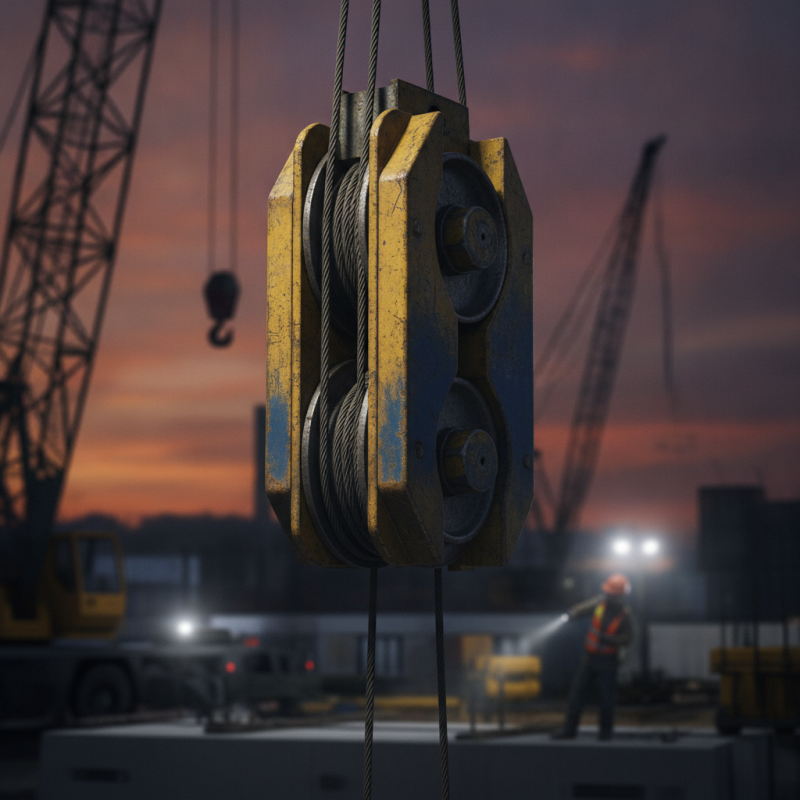
The Traveling Block consists of multiple sheaves that change the direction of the load line. Designed for use with cranes, it allows for greater load distribution and improved safety. However, despite its benefits, improper use can lead to accidents and equipment failure.

Understanding the functionality is important. Each component must be regularly inspected and maintained. Often, flaws can go unnoticed, leading to serious implications. The balance of risk and efficiency makes the Traveling Block a subject of ongoing study in engineering circles. Adopting best practices is not just beneficial but essential.
What is a Traveling Block and How Does It Work?

What is a Traveling Block?

A traveling block is a vital component in various lifting and rigging applications. It allows for the efficient movement of heavy loads across different distances. Typically used in cranes and hoisting systems, its design facilitates smooth and controlled operations. The traveling block consists of several pulleys, which reduce friction and improve lifting capability.

In practical terms, when a load is attached to the traveling block, it moves along a horizontal or vertical track. This movement significantly enhances the system's overall efficiency. Precise alignment is crucial for ensuring safety and effectiveness during operations. However, improper setup can lead to increased wear and tear, potentially causing accidents. Regular inspections and maintenance are essential to uphold safety standards.

Understanding the role of the traveling block is vital for operators. Their knowledge can lead to safer lifting practices. Yet, it’s easy to overlook the small details that matter. Not verifying rigging angles or miscalculating load weights can pose risks. Reflecting on these aspects helps in creating a more reliable and efficient working environment.

The History and Evolution of Traveling Blocks

The history of traveling blocks is fascinating. Originally used in ship rigging, these devices were crucial for adjusting sails. They helped sailors maneuver their vessels more efficiently. Over time, the design evolved to accommodate various applications in construction and other industries. The simplicity of the pulley system allowed it to adapt easily, capturing the essence of human ingenuity.

As technology advanced, materials improved. Modern traveling blocks can handle heavier loads with less effort. They often incorporate synthetic materials, providing durability and reducing weight. However, while these advancements are impressive, they can lead to over-reliance on technology. Users should regularly inspect their equipment and maintain it properly.

Tips: Always check the load capacity of your traveling block before use. This ensures safety and prevents accidents. Familiarize yourself with its operational mechanics. Understanding how it functions can improve efficiency. Remember to document any repairs or maintenance for future reference. Responsible usage and diligent care yield the best results in the long run.

How Traveling Blocks Function Mechanically

Traveling blocks are essential components in lifting systems. They allow for the mechanical advantage needed when lifting heavy loads. Their operation is based on simple mechanical principles. A block consists of a pulley and can be rigged in various configurations. This versatility enhances efficiency. Load distribution is a key factor in preventing equipment failure. According to industry data, improper use of traveling blocks can lead to a 20% increase in workplace accidents.

Mechanically, traveling blocks function by guiding and redirecting the load. The pulley reduces friction, ensuring smoother motion. The arrangement of multiple blocks can further amplify lifting capacity. For example, a block and tackle system can increase lifting power by three to five times. This optimization is crucial in industries such as construction and maritime operations. However, incorrect setups can result in security risks and inefficiencies. It's critical to evaluate the working load limit regularly.

Tips: Always check the alignment of sheaves before use. Misalignment can cause excessive wear and tear. Ensure that all connections are secure. Loose fittings can lead to load drop incidents. Training operators regularly is vital. Ensure everyone understands the operational limits of traveling blocks. Continuous assessments help improve safety standards and efficiency in lifting operations.

Applications of Traveling Blocks in Various Industries

Traveling blocks play a vital role across various industries, enhancing efficiency in lifting operations. These devices are commonly used in construction, mining, and maritime sectors. A report by the International Institute of Technology indicates that about 40% of heavy lifting operations utilize traveling blocks. This statistic highlights their significance in advancing operational efficiency and safety.

In the construction industry, traveling blocks are essential for hoisting materials. They facilitate smooth vertical movements of heavy loads. A case study showed that construction sites using these devices reported a 25% reduction in lifting time. However, improper use leads to increased risks. Operators must be trained adequately to avoid accidents. On the other hand, the mining sector employs traveling blocks to transport ores. The global mining report illustrates that about 30% of mining companies have invested in advanced lifting technology, including traveling blocks. Despite the benefits, there is still room for improvement in safety protocols within this sector.

The maritime industry utilizes traveling blocks during loading and unloading processes. They ensure efficient handling of cargo, which is crucial for operational timelines. Industry insights reveal that ports using these devices can handle 15% more cargo in the same timeframe. However, reliance on technology can lead to complacency among workers. Continuous training and awareness are vital for maintaining safety standards and operational reliability.

Applications of Traveling Blocks in Various Industries

Advantages and Limitations of Using Traveling Blocks

Traveling blocks are essential tools in various industries, especially in construction and rigging. They allow for efficient lifting and lowering of heavy loads. However, their use comes with both advantages and limitations that must be understood.

One significant advantage of traveling blocks is their ability to distribute weight evenly. This feature reduces the risk of equipment failure and enhances safety. Additionally, their versatile design enables easy adjustments for different lifting tasks. Operators can quickly adapt to changing conditions on-site. This flexibility often leads to increased productivity, making projects run more smoothly.

On the flip side, traveling blocks have limitations. They require proper training and knowledge to operate safely. Inexperienced users may mishandle loads, risking accidents. Additionally, wear and tear can occur over time, potentially compromising the equipment's reliability. Regular maintenance is essential to ensure safety and efficiency. Understanding these factors is crucial for anyone considering using traveling blocks. The balance between their advantages and limitations should always be evaluated in context.

FAQS

: What is a traveling block?

: A traveling block is a component used for lifting heavy loads. It improves efficiency in cranes and hoisting systems.

How does a traveling block work?

A traveling block uses pulleys to reduce friction and enhance load movement. It allows smooth and controlled operations.

Why is alignment important for traveling blocks?

Precise alignment ensures safety and efficiency. Misalignment can cause increased wear and create safety risks.

What can happen with improper setup of traveling blocks?

Improper setup can lead to equipment failure and accidents. Regular inspections can help prevent these issues.

How can load distribution affect safety?

Proper load distribution is crucial. Imbalanced loads can increase the risk of accidents and system failure.

Why is operator training essential for traveling blocks?

Training ensures operators understand limits and safety. Knowledge can significantly reduce risks during lifting operations.

What should be checked before using a traveling block?

Always check the alignment of sheaves. Misalignment can lead to excessive wear and potential accidents.

What is a block and tackle system?

A block and tackle system uses multiple blocks to increase lifting power significantly, up to five times.

How often should the working load limit be evaluated?

Evaluate the working load limit regularly. This practice helps maintain safety and operational efficiency in lifting tasks.

What happens if connections are loose?

Loose connections pose a risk of load drops. Ensure all fittings are secure before operating a traveling block.

Conclusion

A traveling block is a crucial mechanical device used in various lifting and hoisting applications, particularly in industries like construction and oil drilling. Its design allows for enhanced efficiency in moving heavy loads. The evolution of traveling blocks over time highlights advancements in engineering and materials, improving their functionality and reliability.

Mechanically, traveling blocks operate by distributing weight and providing a system of pulleys that facilitate the lifting process. This method not only reduces the effort required to lift heavy objects but also increases safety on job sites. While traveling blocks offer significant advantages such as improved load management and versatility, they also come with limitations, including potential wear and the need for regular maintenance. Understanding these aspects is essential for optimizing their use in various industrial applications.


Madeline

Madeline

Madeline is a dedicated marketing professional with a wealth of expertise in our company's core offerings. With a keen understanding of the industry, she brings a unique perspective to her role, consistently delivering high-quality content that highlights the superior aspects of our products. As......