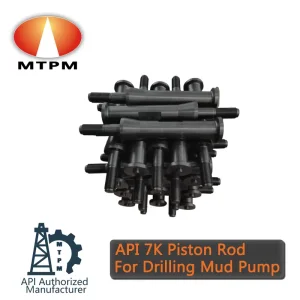
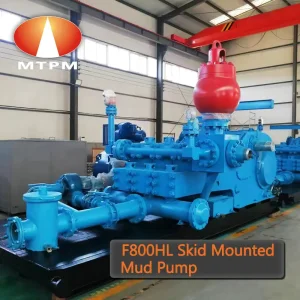
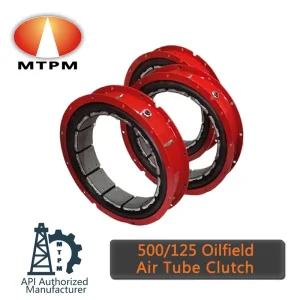
Explore our high-performance API monogrammed replacement spare parts designed for extreme drilling load conditions worldwide.
Understanding the critical mechanical dynamics, stress analysis, and metallurgical parameters of crown and traveling block sheaves in modern oilfield hoisting systems.
In modern onshore and offshore petroleum drilling, the hoisting system represents the single most critical structural line of defense. At the center of this hoisting infrastructure are Block Division Sheaves—precision-engineered wheel assemblies operating within the crown block and traveling block setups. These sheaves serve as the mechanical interface redirecting wire ropes under dynamic suspended hook loads ranging from 150 tons to well over 1,000 tons. As drilling targets push deeper into high-pressure, high-temperature (HPHT) regimes, the reliability of block division sheaves directly governs operational safety, non-productive time (NPT), and overall rig efficiency.
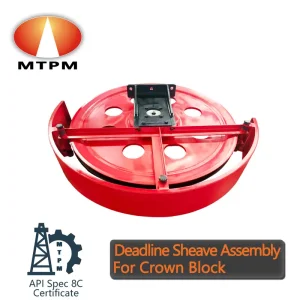
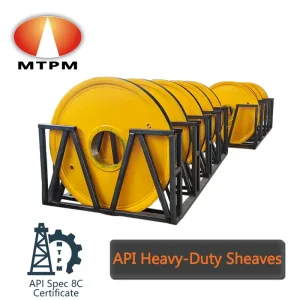
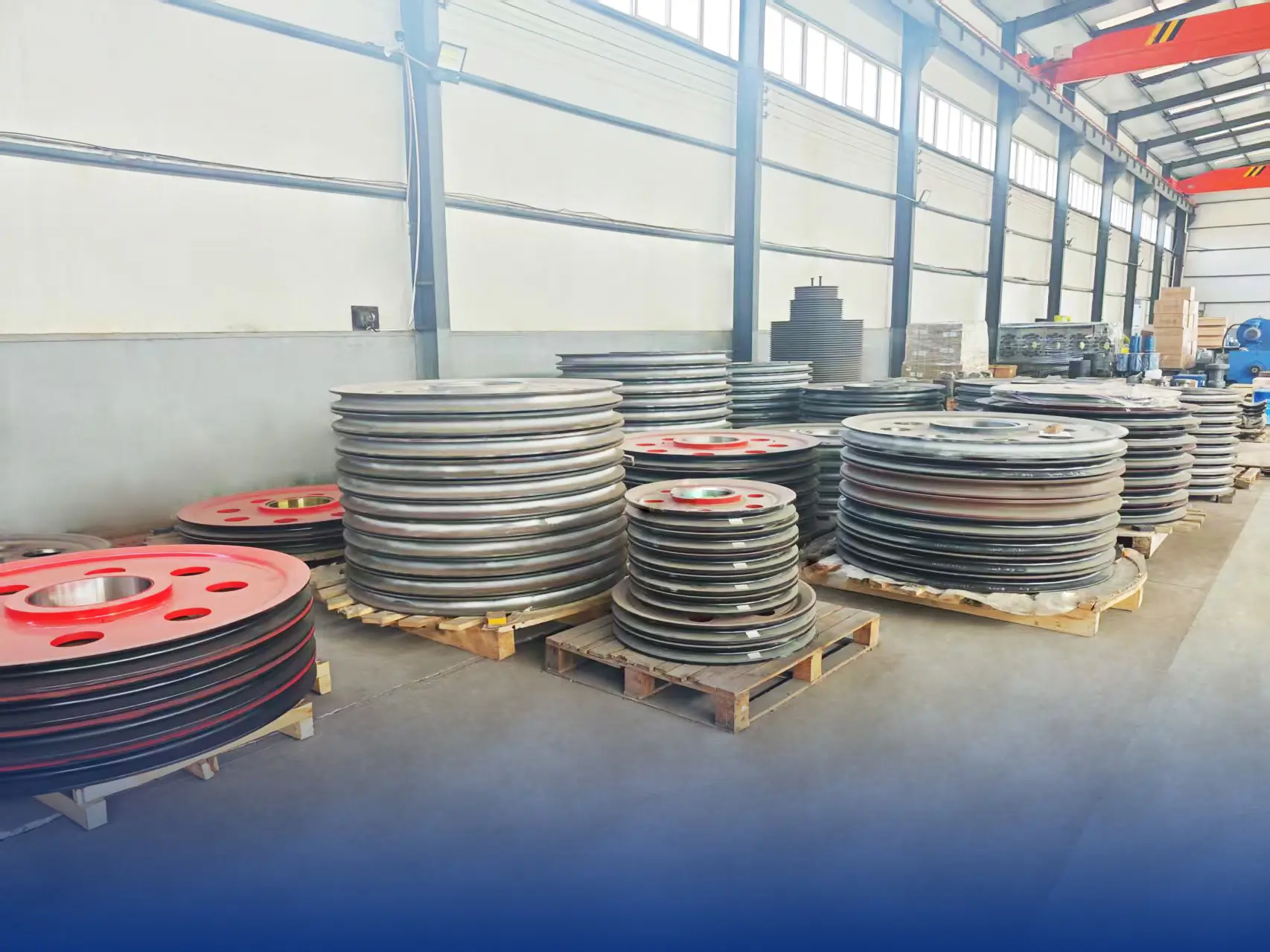
A block division sheave system works by partitioning the mechanical advantage of the drilling drawworks wire rope. The geometry of the sheave groove profile must conform strictly to API Spec 8C (Hoisting Equipment for Drilling and Production) and API Spec 7K. Improper groove contours or material degradation lead to accelerated fatigue, wire rope bird-caging, unexpected line shearing, and catastrophic load drops. Therefore, leading Chinese petroleum machinery manufacturers, such as Baoji Mengtai Petroleum Machinery Co., Ltd. (MTPM), utilize advanced hot-forging techniques, induction flame hardening, and rigorous dynamic balance testing to engineer sheaves capable of enduring millions of high-stress tension cycles.
The interaction between the steel wire rope and the sheave groove is governed by tribological principles. When the fleet angle (the angle between the wire rope and the center plane of the sheave) exceeds 1.5 degrees, severe lateral rubbing occurs. Forged steel division sheaves engineered by MTPM incorporate flame-hardened groove contours (HRC 45–55) with smooth surface finishes (Ra ≤ 1.6 μm), reducing friction coefficients by up to 35% and extending wire rope operational lifespan.
API Spec 8C mandates minimum Pitch Diameter to Wire Rope Diameter ratios (D/d ratios) to minimize bending fatigue within individual steel strands. MTPM block division sheaves strictly maintain optimized D/d ratios (typically 30:1 to 40:1 depending on rig ton rating), ensuring that bending stresses remain safely below the yield threshold of high-tensile EIPS and EEIPS grade drilling lines.
Heavy-duty double-row tapered roller bearings are press-fitted into the CNC-machined hubs of our block division sheaves. To prevent ingress of drilling fluids, abrasive desert dust, or corrosive offshore salt spray, double-lip fluororubber grease seals are installed alongside integrated grease passages for continuous lubrication under extreme shock loads.
Analyzing key shifts in oilfield hoisting technology, material science advancements, and automated rig integration.
Legacy drilling rigs traditionally utilized cast iron sheaves due to lower manufacturing costs. However, modern high-hook-load operations (over 500 tons) suffer from cast iron embrittlement and groove deformation. Industry standard has decisively shifted toward seamless forged alloy steel (35CrMo / 42CrMo). Forged sheaves offer superior structural grain alignment, zero internal porosity, and exceptionally high impact toughness at sub-zero temperatures.
With the rise of automated cyber-chair drilling rigs and top drive systems, tripping speeds have accelerated significantly. Block division sheaves must now withstand higher angular accelerations while minimizing rotational inertia. Advanced finite element analysis (FEA) allows engineers to optimize web plate thickness and hub geometry, cutting rotational mass without compromising structural shear strength.
Oil exploration is expanding into harsh arctic zones (such as Northern Canada, Siberia, and Alaska) and ultra-deepwater maritime regions. Modern block division sheaves must pass rigorous Charpy V-notch impact testing at -40°C or -50°C and receive NACE MR0175 compliance for sulfide stress cracking resistance in sour gas drilling environments.
Standard engineering parameters for MTPM API 8C Block Division Sheaves and Crown/Traveling Block Assemblies.
| Parameter / Feature | Standard Oilfield Specification | MTPM High-Performance Engineering Standard |
|---|---|---|
| Material Grade | Cast Steel / Q345B Carbon Steel | Forged Alloy Steel 35CrMo / 42CrMo (API 8C PSL 1 & PSL 2) |
| Groove Hardness | HB 180 - 220 | HRC 45 - 55 (Medium Frequency Induction Flame Hardened) |
| Hardening Depth | 2.0 mm - 3.0 mm | ≥ 5.0 mm uniform casing depth down to groove root |
| Dynamic Balancing | ISO 1940 G6.3 | ISO 1940 G2.5 High-Speed Precision Dynamic Balancing |
| Non-Destructive Testing (NDT) | Visual (VT) & Magnetic Particle (MT) | 100% Ultrasonic (UT) + Magnetic Particle (MT) + Dye Penetrant (PT) |
| Surface Roughness (Groove) | Ra 3.2 μm | Ra ≤ 1.6 μm CNC precision polished finish |
| OEM Interchangeability | Custom / Proprietary dimensions | 100% Interchangeable with BOMCO, Honghua, LS-NOV, RG, DFXK |
How international drilling contractors and rig fleet managers eliminate downtime and control capital expenditure.
Rig managers operating international fleets require seamless spare part replacement without field modification. Procurement specialists demand exact dimensioning matching OEM drawings from major rig builders such as BOMCO, Honghua, and LS-NOV. MTPM guarantees 100% dimensional interchangeability across all sheave models, pins, shafts, and bearing races.
While the initial purchase price of forged sheaves is higher than low-grade cast equivalents, high-grade forged alloy sheaves reduce total cost of ownership by over 40% during a 5-year operating cycle. Enhanced hardness prevents wire rope groove cutting, eliminating premature wire rope wear—which often costs 5 to 10 times more than the sheave itself.
Unplanned hoisting system downtime can cost oil companies $20,000 to $100,000 per day. Enterprise buyers require robust supply chain verification. MTPM provides complete 3.1 Material Test Certificates (EN 10204), heat treatment chart logs, NDT test reports, and API Monogram verification for every shipment.
Tailored engineering packages designed for deep offshore rigs, arctic exploration, and desert operations.
For deep oil wells penetrating 7,000 to 12,000 meters, hoisting systems face massive static deadweight and extreme continuous dynamic bouncing. MTPM supplies heavy crown block sheaves with reinforced dual center webs and custom alloy pins designed to withstand hook loads exceeding 6750 kN (750 Short Tons).
Marine salt air introduces aggressive pitting corrosion on sheave grooves and hub bores. MTPM applies specialized multi-coat epoxy marine coatings, zinc-plated shaft caps, and marine-grade stainless seal wear sleeves, preventing saltwater intrusion into the roller bearing cavity.
In Middle Eastern and North African desert fields, fine silica sand easily infiltrates standard mechanical bearings, causing rapid abrasive seizure. MTPM block division sheaves utilize labyrinth-assisted dust caps and pressurized grease injection ports that actively purge sand contaminants during routine maintenance.
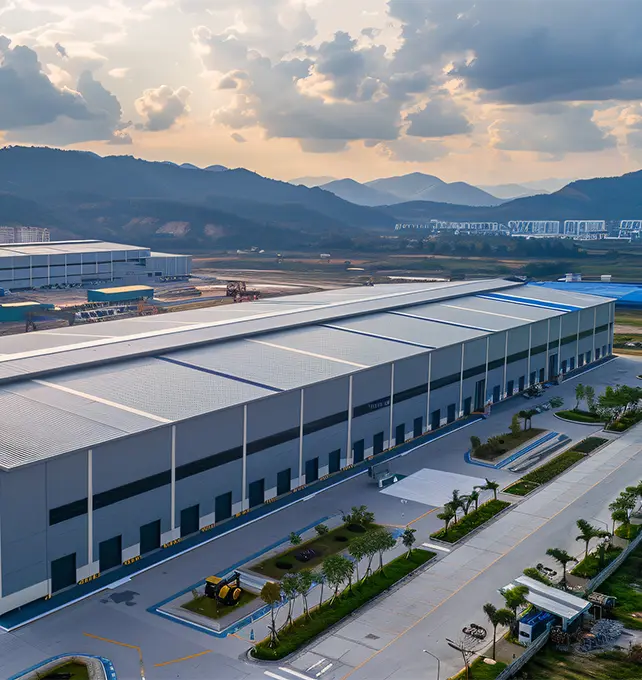
Baoji Mengtai Petroleum Machinery Co., Ltd. (MTPM) was established on July 15, 2003, and is headquartered in Baoji City, Shaanxi Province—the premier manufacturing base shared with BOMCO. As a pioneer in China’s petroleum machinery export industry, MTPM has dedicated over 20 years to precision manufacturing of high-quality oilfield hoisting equipment, mud pump units, and rig components.
MTPM operates a modern standardized manufacturing facility spanning 15,000 square meters equipped with over 80 advanced CNC lathes, vertical machining centers, precision grinding tools, and comprehensive testing infrastructure. Holding 16 Chinese national patents and certified with official API Monograms including API-7K, API-8C, and API-11D1, MTPM is a trusted strategic supplier for CNPC, Sinopec, BOMCO, Honghua, and international drilling contractors across North America, Europe, the Middle East, Central Asia, and Africa.
Explore Our Certified Product Range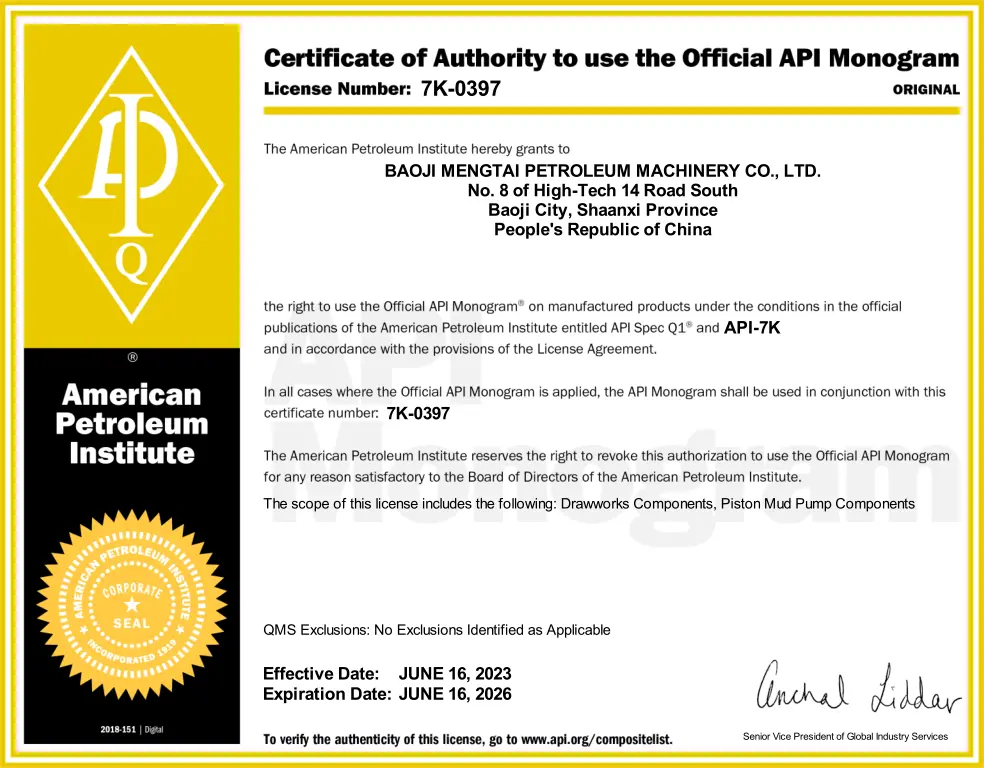
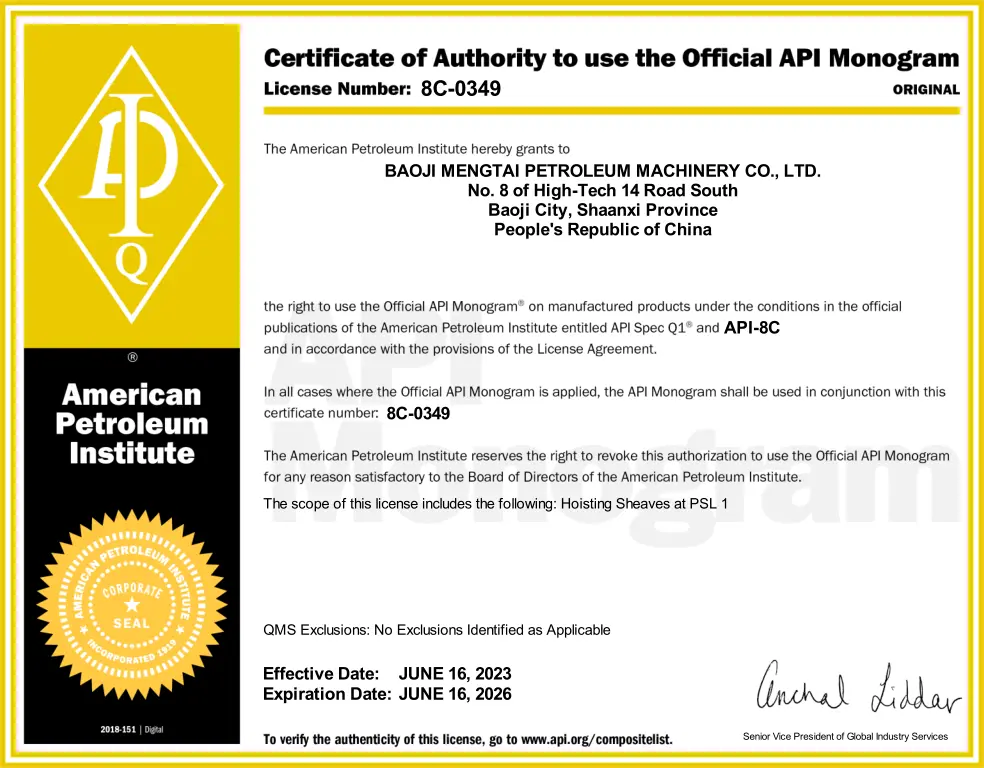
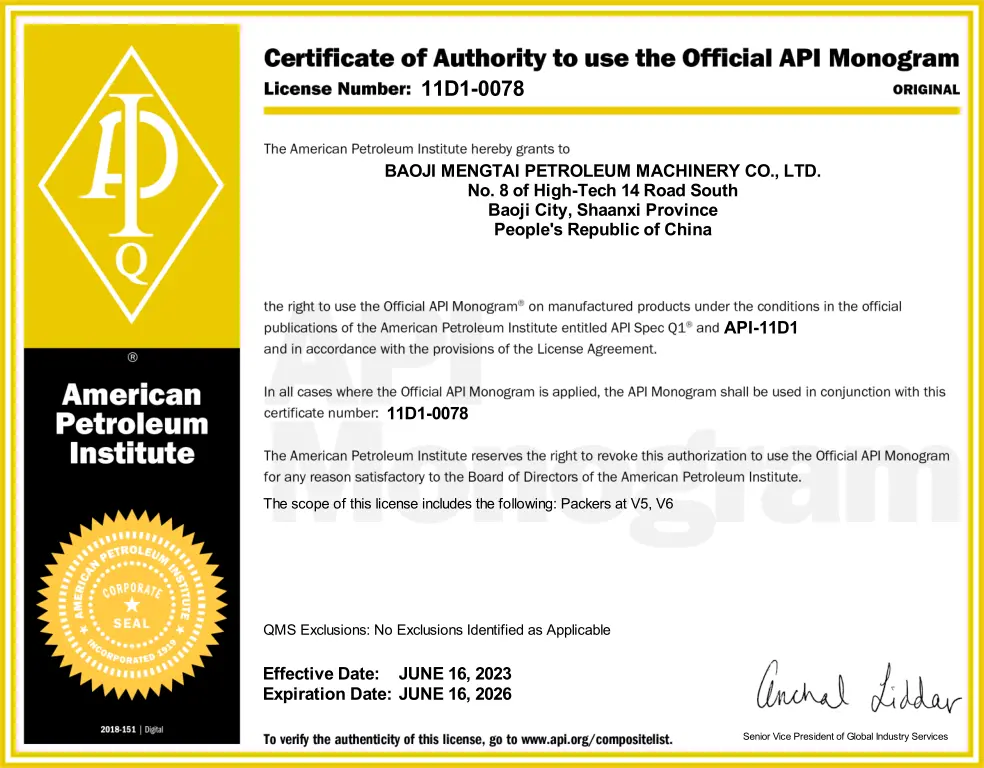
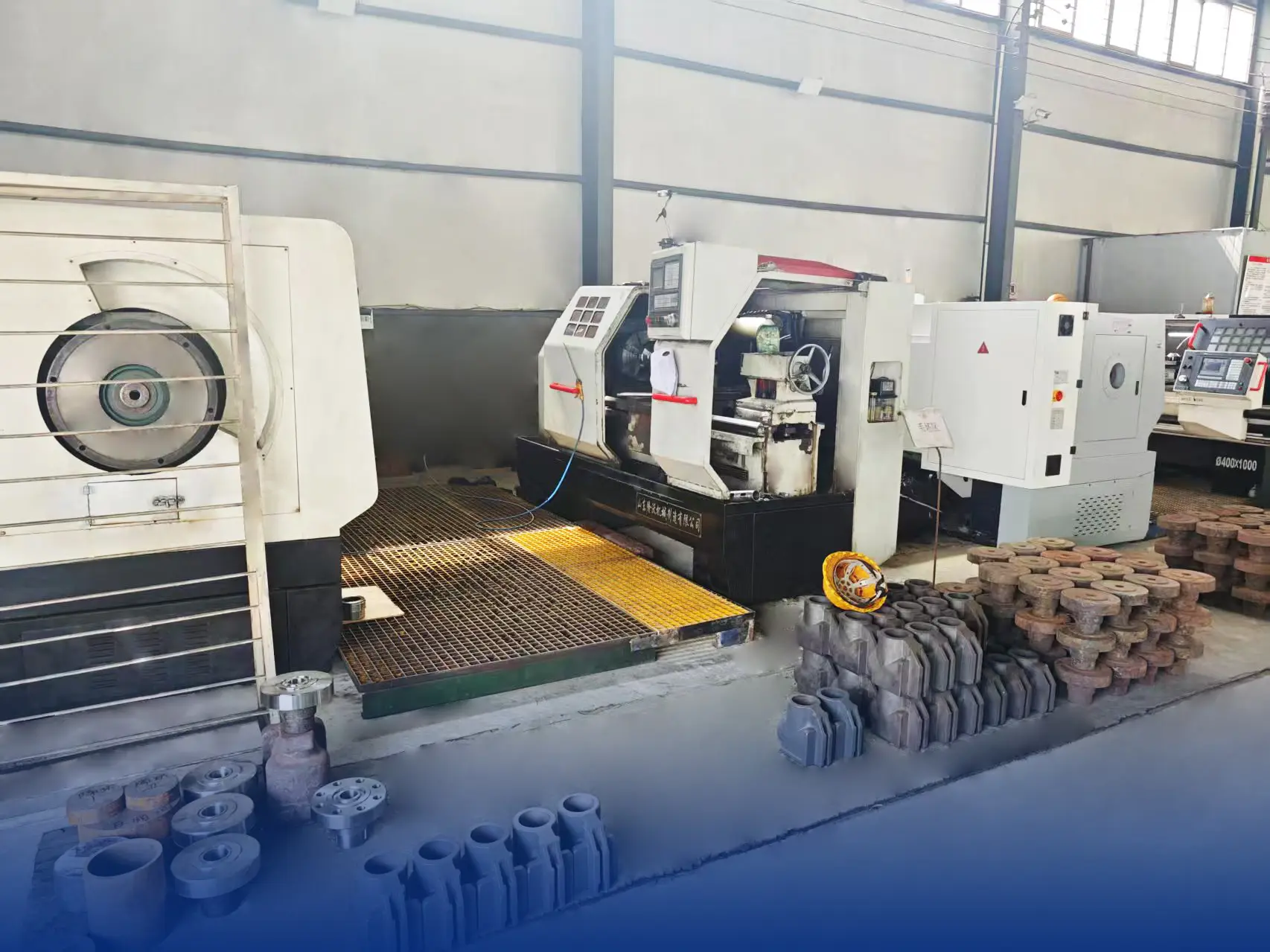
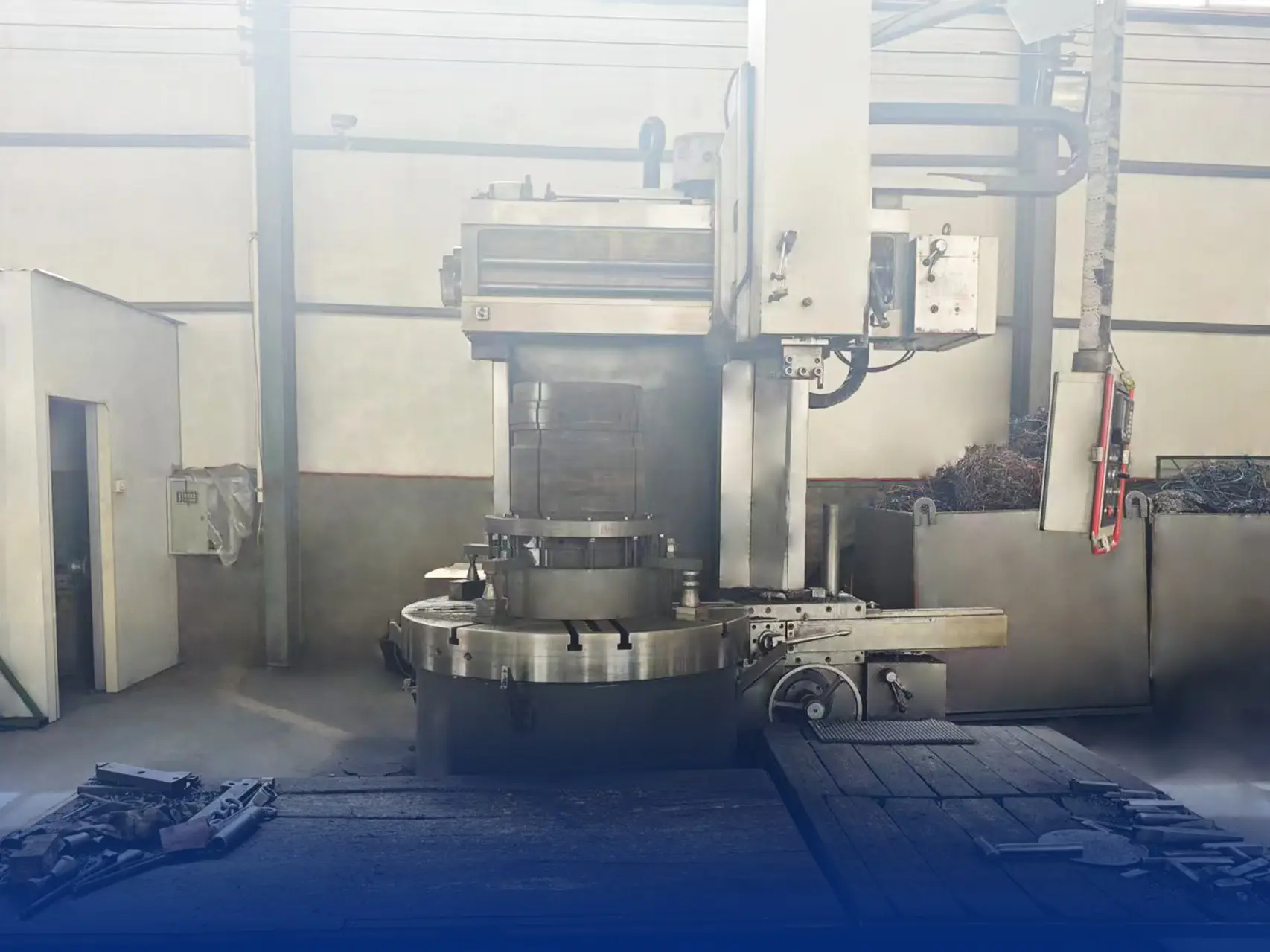









We focus on continuous technological innovation and precision manufacturing of mud pumps and hoisting spare parts. With 16 Chinese patents and 3 API certificates, our quality management system ensures full material traceability from forging to delivery.
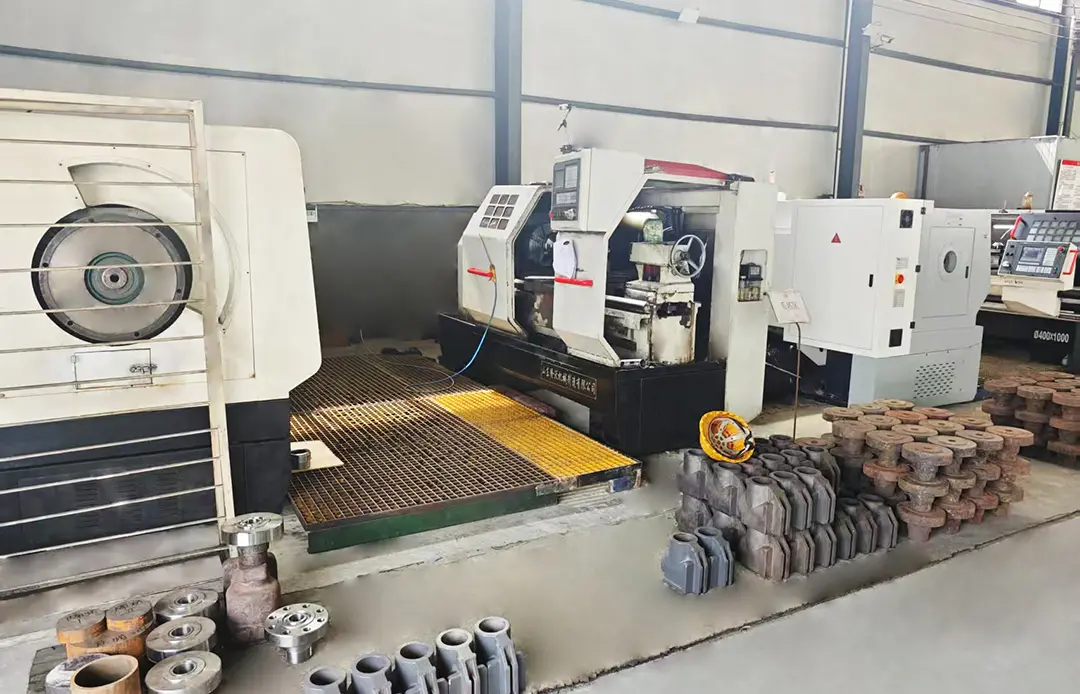
Spanning 15,000 square meters equipped with over 80 heavy-duty production and inspection machines. Our core engineering team boasts over 15 years of continuous experience in petroleum machinery design.
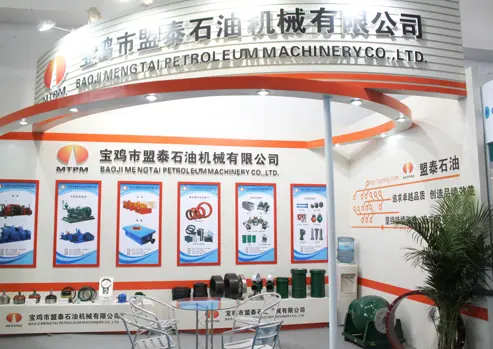
Approved supplier for BOMCO, LS Group, and Honghua. Supplied extensively to CNPC, Sinopec, and international clients across Europe, Americas, Africa, Central Asia, and the Middle East.
Ensuring compliance with international oilfield standards and providing dedicated technical support worldwide.
Every single block division sheave shipped from MTPM includes a complete documentation binder containing heat treatment reports, raw forging spectral chemical analysis, magnetic particle testing records, and dimensional inspection sheets certified under API Spec 8C.
To give international enterprise buyers absolute confidence, MTPM regularly hosts third-party inspection agencies such as SGS, Bureau Veritas, and DNV GL for witness testing, dimensional verification, and dynamic balance witnessing prior to export packaging.
MTPM maintains fast-track export logistics channels allowing urgent replacement sheaves and mud pump components to reach major oilfield hubs across North America, the Middle East, and Southeast Asia within expedited lead times, backed by 24/7 remote engineering support.
Pioneering IoT-enabled strain monitoring, zero-carbon forging, and advanced surface coating matrixes.
MTPM is actively developing smart division sheaves equipped with embedded RFID micro-sensors and micro-wireless strain gauges. These smart sheaves will transmit real-time data regarding groove temperature, vibration frequency, and bearing load distribution directly to the rig operator’s control panel (cyber-chair), allowing predictive maintenance before fatigue failure occurs.
To further extend groove lifespan in abrasive drilling environments, MTPM’s R&D team is testing High-Velocity Oxygen Fuel (HVOF) applied tungsten carbide nanocomposite coatings. Initial tests demonstrate a 300% increase in groove surface wear resistance compared to conventional induction hardening.
In accordance with global ESG mandates, MTPM has modernized its heat treatment furnaces to clean energy electric induction systems, reducing carbon emissions by 40% per ton of finished forged petroleum equipment while improving temperature uniformity during quenching.
Expert answers to common engineering, purchasing, and operational questions regarding block division sheaves.
A Block Division Sheave acts as an intermediate mechanical wheel inside a crown block or traveling block assembly. It distributes tension across multiple lines of wire rope, reducing line pull required by the drawworks while allowing the traveling block to lift massive drill strings smoothly with balanced mechanical leverage.
Forged alloy steel sheaves (such as 35CrMo or 42CrMo) possess a refined, unbroken grain structure produced during high-pressure forging. This eliminates internal air pockets, blowholes, and slag inclusions commonly found in castings. Forged sheaves offer significantly higher tensile strength, superior fatigue endurance under cyclic load spikes, and far greater impact resistance in sub-zero environments.
Yes. MTPM is an authorized OEM-level replacement parts supplier. All sheave outer diameters, pitch diameters, groove profiles, bore dimensions, bearing keyways, and shaft tolerances are manufactured strictly according to API 8C standards, ensuring direct 1:1 drop-in replacement on BOMCO, Honghua, LS-NOV, RG, and DFXK drilling rigs.
Block division sheaves are primarily governed by API Spec 8C (Specification for Drilling and Production Hoisting Equipment) and API Spec 7K. These specifications dictate structural safety factors, minimum Pitch-to-Rope (D/d) ratios, non-destructive testing requirements (UT/MT), groove geometry radius, and load testing procedures.
If a sheave groove is too soft (under HRC 30), high wire rope tension causes the rope to cut grooves into the metal wall, creating sharp ridges that ruin subsequent wire ropes. Conversely, MTPM’s medium-frequency induction hardening achieves an optimal surface hardness of HRC 45–55 with a deep hardened layer (≥ 5mm), preventing groove imprinting and extending wire rope life by up to 50%.
Standard OEM replacement sheaves for common models (e.g., TC315, TC450, YC450) are frequently maintained in stock or in semi-finished blanks. Custom-forged sheaves tailored to specific non-standard shaft dimensions or special fleet angles typically take 25 to 35 days for complete forging, heat treatment, CNC machining, dynamic balancing, and API certification.
Complete your drilling rig overhaul with certified OEM replacement assemblies manufactured by MTPM.
 MTPM RigParts