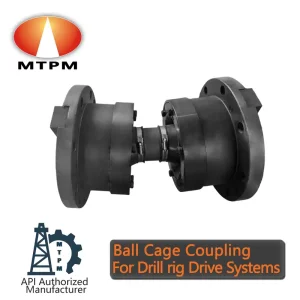
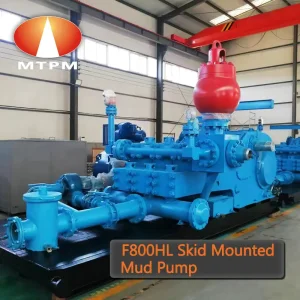
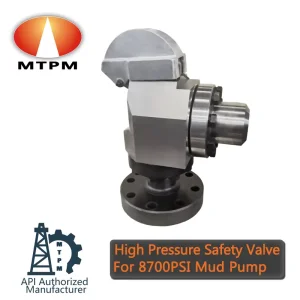
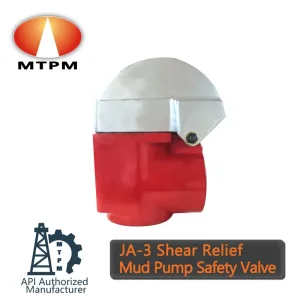
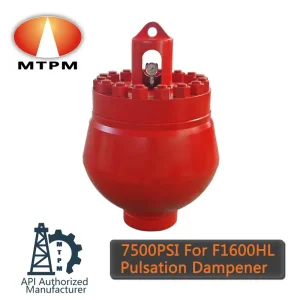
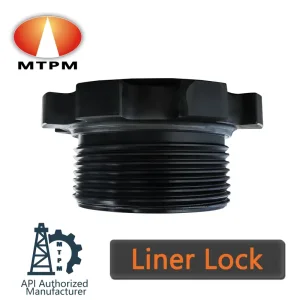
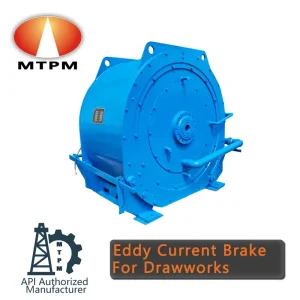
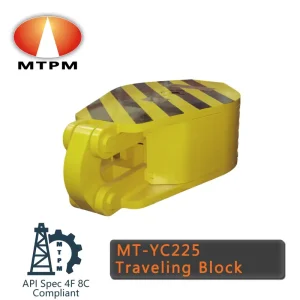
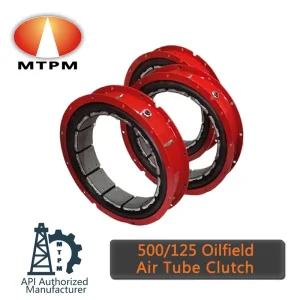
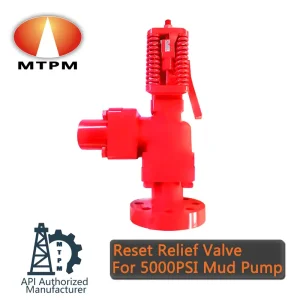
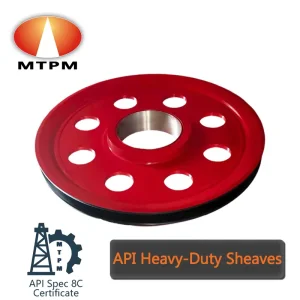
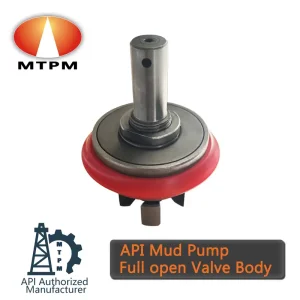
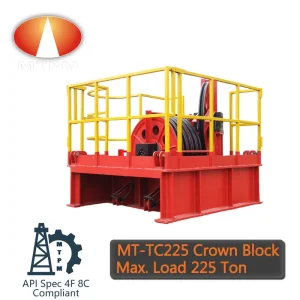
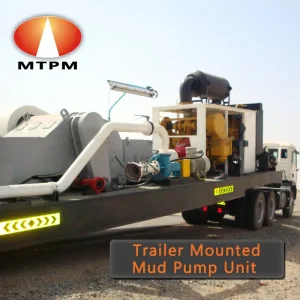
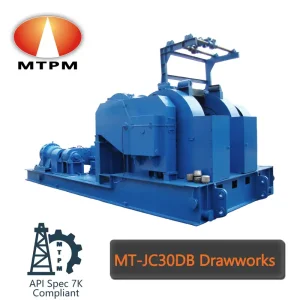
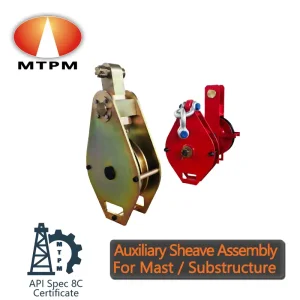
Examine our high-performance oilfield equipment engineered to endure complex operational conditions and high load capacities.
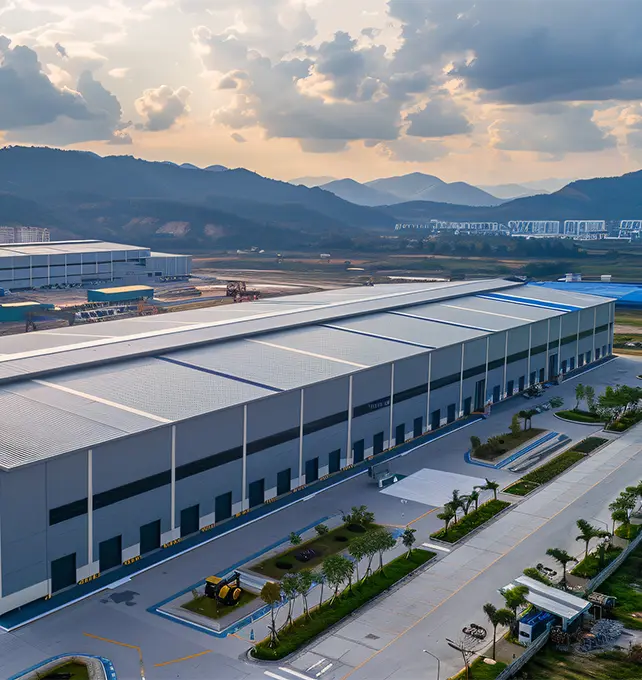
Established on July 15, 2003, and headquartered in Baoji City, Shaanxi Province—sharing the same industrial cluster with BOMCO—Baoji Mengtai Petroleum Machinery Co., Ltd. (MTPM) is a key manufacturer of petroleum machinery and components. We were among the first enterprises in the region to export petroleum equipment globally.
For over two decades, we have committed ourselves to manufacturing high-quality oilfield machinery and supplying reliable technical services to drilling contractors and distributors globally.
A comprehensive engineering whitepaper on tension calculations, fleet angles, and API 8C manufacturing tolerances.
In heavy hoisting operations, particularly within oil and gas drilling, the sheave block assembly (consisting of the crown block and traveling block) serves as the primary mechanism for mechanical advantage. Correct sheave block calculation is essential to prevent rope fatigue, groove deformation, and catastrophic failure under dynamic loads.
The basic formula to determine the tension in the fast line ($T_f$) during hoisting is:
T_f = W / (N * η)
Where: W = total load to be lifted, N = number of parts of line supporting the traveling block, and η = efficiency of the sheave system.
The efficiency ($\eta$) decreases with each additional sheave due to friction in the bearings and bending stiffness of the wire rope. For blocks equipped with modern roller bearings, the efficiency per sheave typically ranges from 0.97 to 0.98. The cumulative efficiency for an $N$-sheave system is calculated using the following geometric series:
η = (1 - K^N) / (N * K^N * (1 - K))
Where: K = friction factor of a single sheave (typically 1.03 to 1.05 depending on lubrication and bearing type).
The alignment of the wire rope entering the sheave groove—defined as the fleet angle—is critical. Under API RP 9B guidelines, the fleet angle should not exceed 1.5° for smooth drums and 2.0° for grooved drums. An excessive fleet angle causes the wire rope to rub against the sides of the sheave groove, causing premature wear of both the rope and the sheave.
Sheave groove profiles must be designed with precise tolerances:
Modern drilling structures require lighter, stronger components to handle deep and ultra-deep wells. Key trends in hoisting systems include:
Finite Element Analysis ensures sheave assemblies are optimized for minimal weight while maintaining safety factors under static and dynamic loading.
Transitioning from traditional cast steels to forged alloy steel and high-strength welded configurations for improved impact toughness at low temperatures.
Integrating non-destructive sensor technology to track real-time groove wear and bearing temperature profiles, reducing non-productive time.
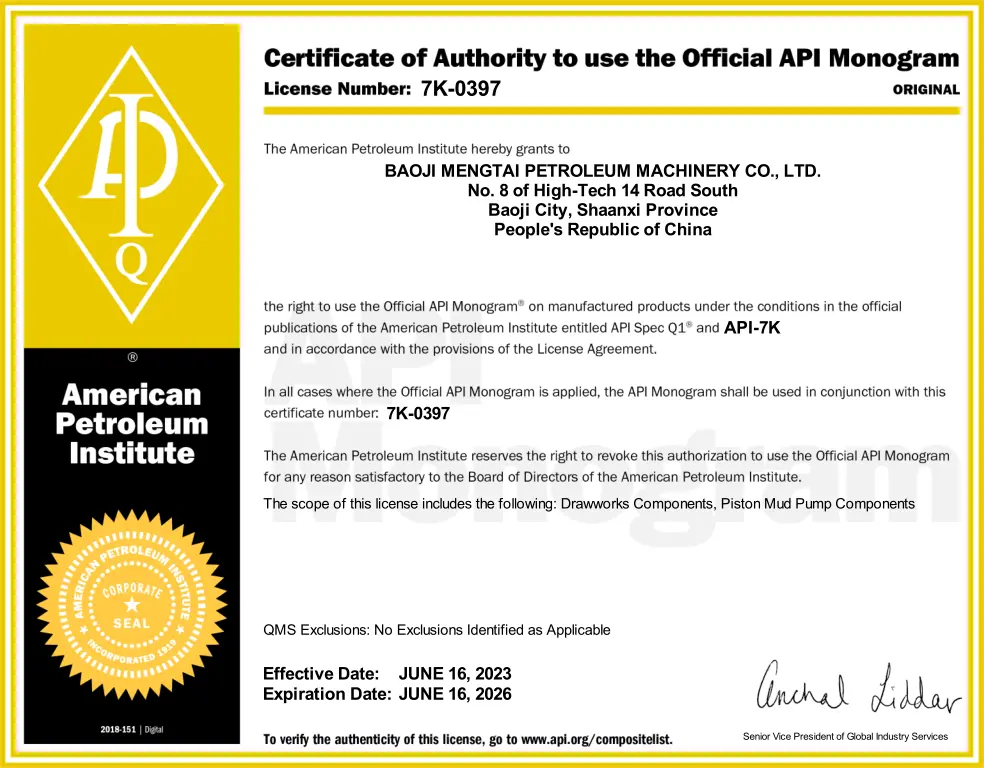
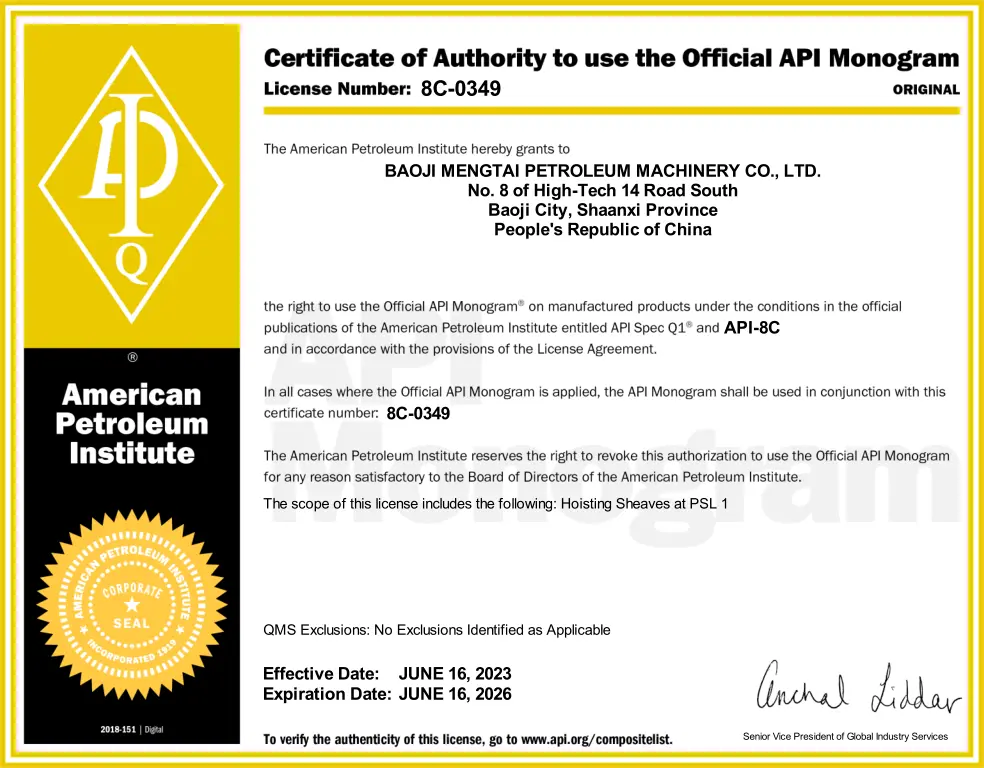
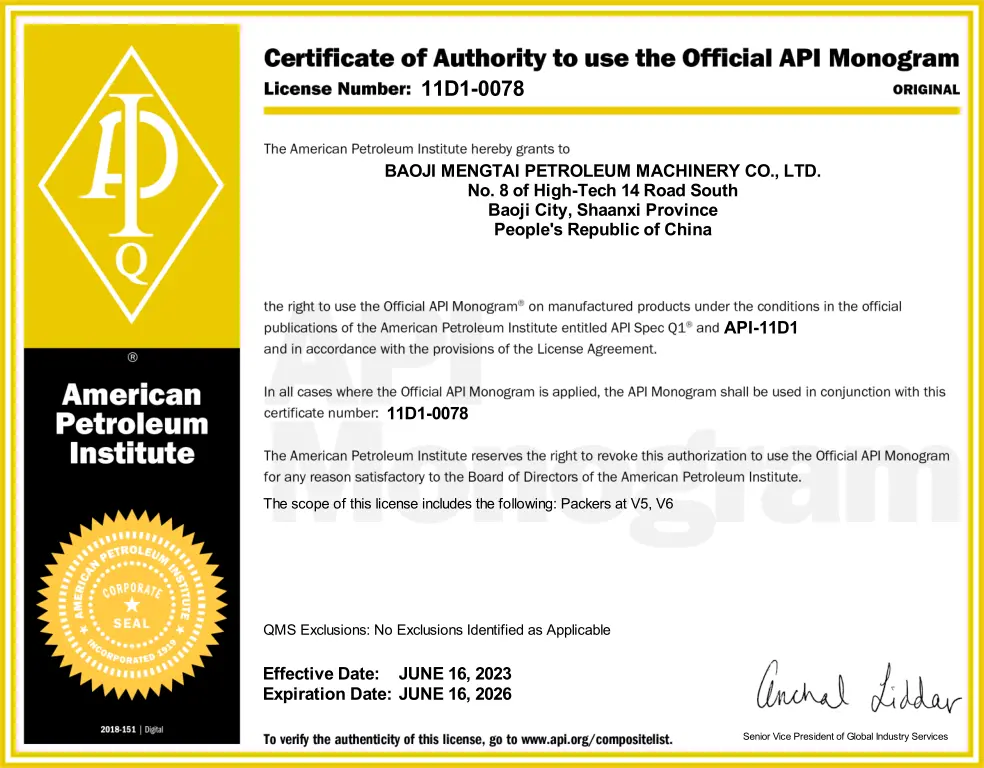
MTPM has maintained authorized API Monogram status since 2014, covering API-7K (Mud Pump and Drawworks Components), API-8C (Hoisting Sheaves), and API-11D1 (Downhole Equipment).
Our quality management system is structured to provide full material traceability, dimension audits, non-destructive testing (NDT), and load testing to verify compliance with international drilling standards.
How regional positioning and automated manufacturing technologies secure product quality and deliver cost efficiencies.
Baoji, Shaanxi Province, functions as the central hub for petroleum machinery engineering in China. This concentration of specialized technical resources brings together raw material sourcing, forging facilities, heat treatment specialists, and testing labs within a short distance. By operating near industrial giants like BOMCO, MTPM utilizes local technological infrastructure to maintain high efficiency.
"By deploying CNC horizontal machining centers, automated welding setups, and ultrasonic testing equipment in our 5,000-square-meter facility, we maintain raw material control and dimensional accuracy across every sheave block we manufacture."
This structured supply network minimizes logistics bottlenecks, shielding our global procurement partners from project delays. With 16 utility and invention patents, our engineers focus on structural refinements that extend component service life.
A look into our manufacturing facilities, CNC machining equipment, and semi-finished product inventory.
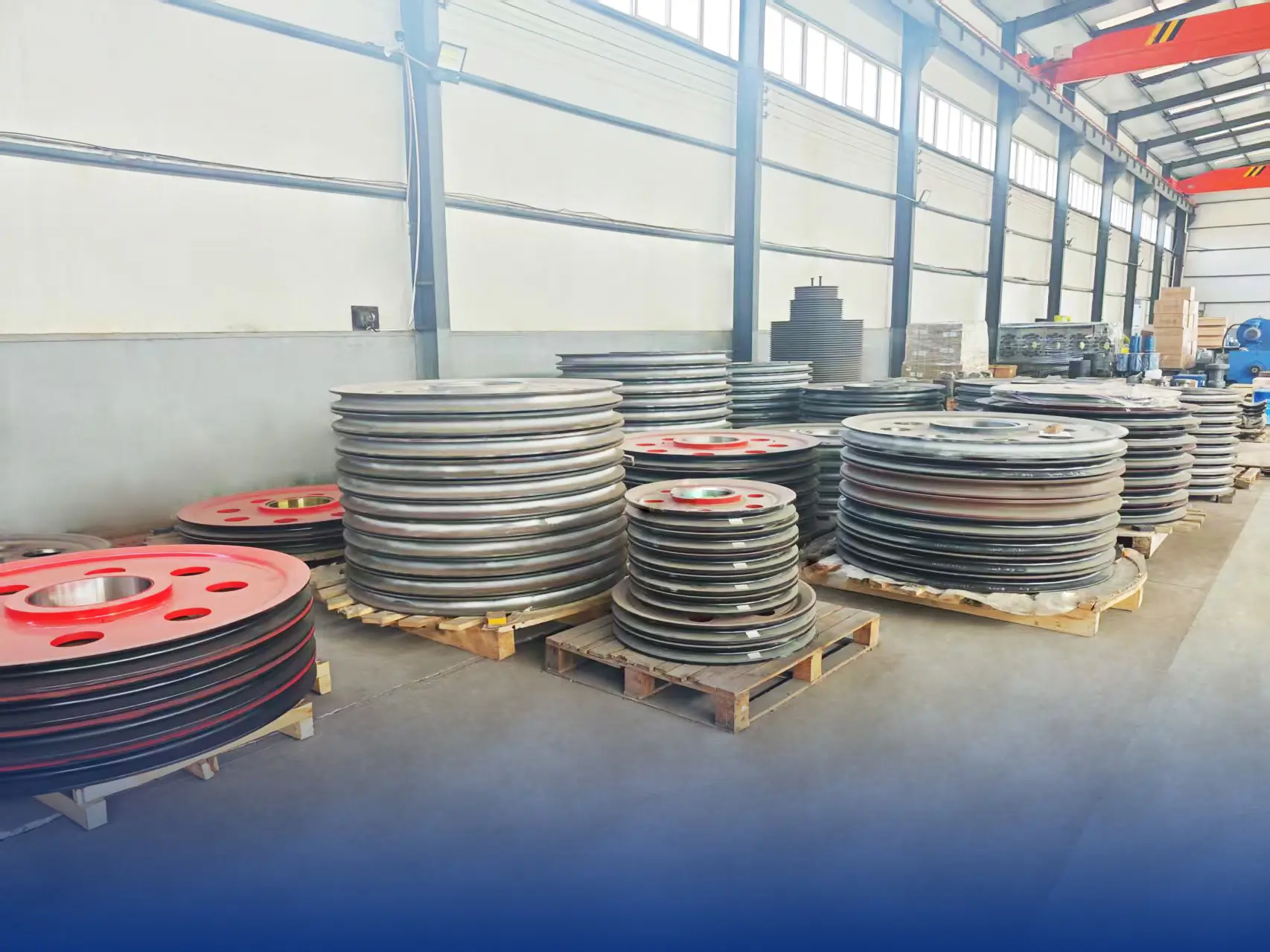
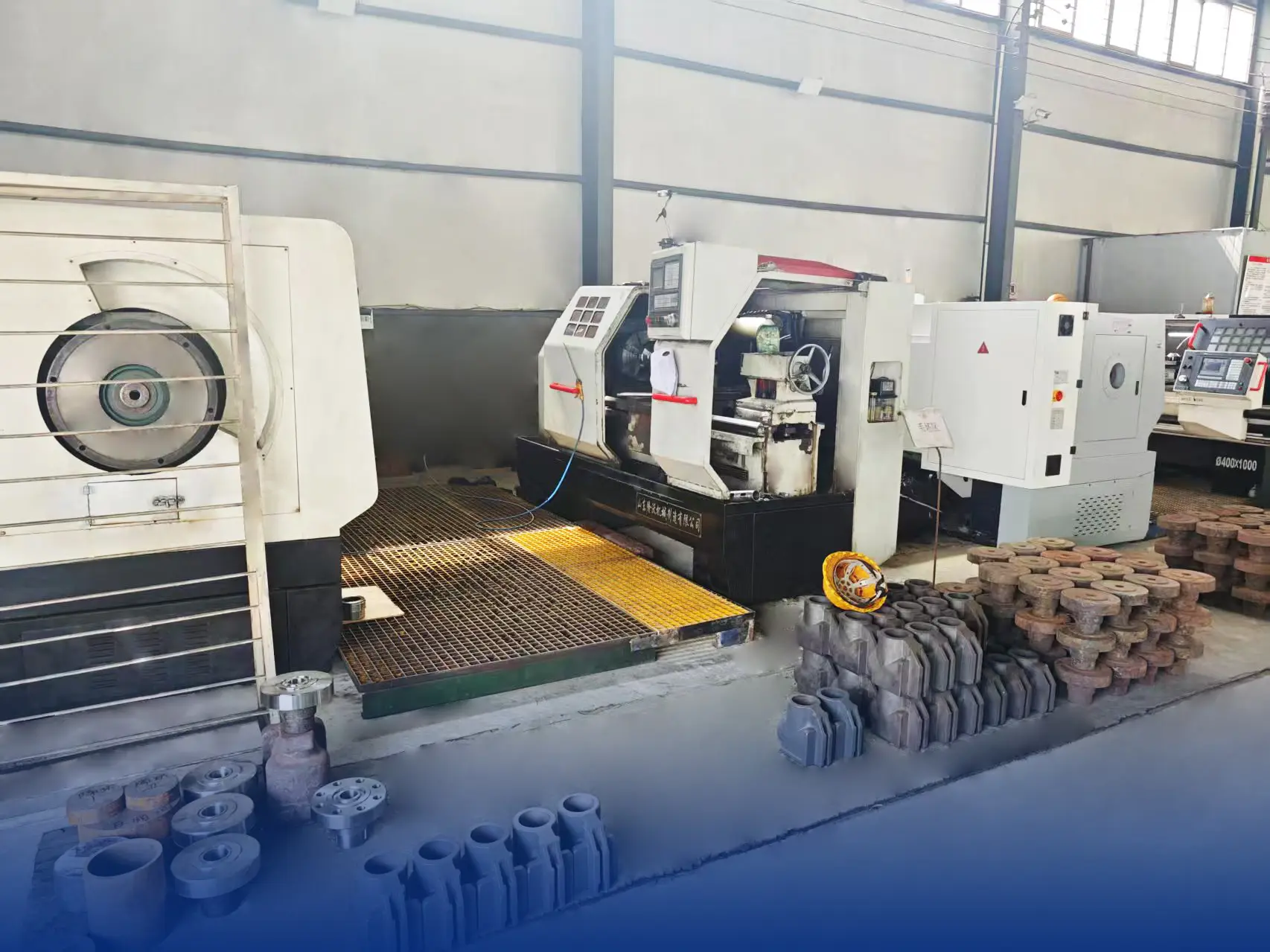
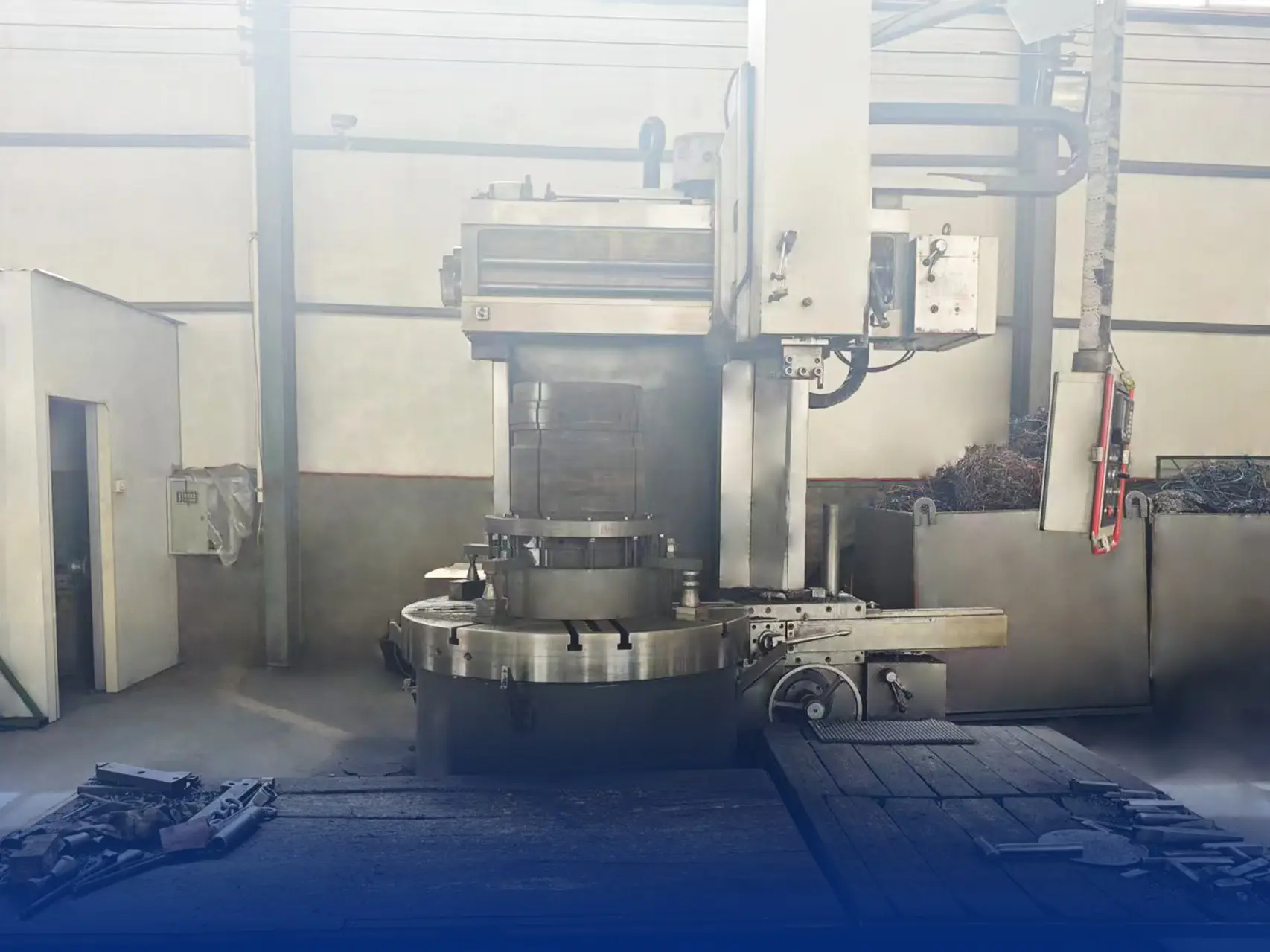
MTPM is a qualified supplier for major domestic drilling companies under CNPC and Sinopec, as well as equipment manufacturers including BOMCO, Lanshi (LS Group), and Honghua.
Our international logistics and engineering networks support field operations in North America, Europe, the Middle East, Central Asia, and Africa, providing interchangeable spare parts that match original manufacturer specifications.







Common engineering questions regarding design standards, wear limits, and replacement procedures.
Browse our broader range of heavy-duty oilfield engineering systems and API-compliant parts.
 MTPM RigParts