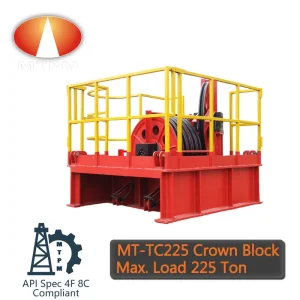
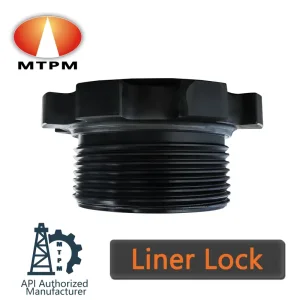
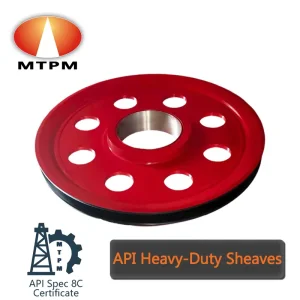
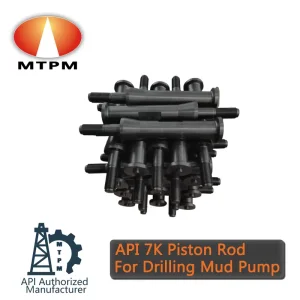
Explore our industrial mud pump systems, high-tension sheave assemblies, and power transmission accessories manufactured under strict API certifications.
An in-depth look at load distribution, wear resistance, and forging technologies driving advanced oilfield hoisting systems.
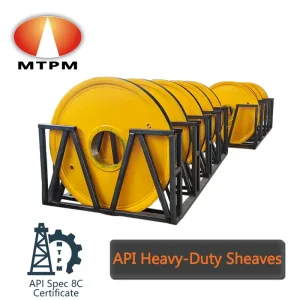
Modern industrial twin sheave blocks rely heavily on high-tensile structural alloy steel, typically processed using continuous medium carbon steel casting or hot-die forging methods. Forging aligns the metallic grain structure of the steel with the shape of the sheave, reducing fatigue micro-cracks under load. Groove hardening is essential: flame or induction hardening is utilized to achieve a surface hardness of 35 to 50 HRC, extending wire rope life and preventing abrasive grooving.
To support high axial and radial loads within compact spacing, twin sheave blocks integrate heavy-duty tapered roller bearings or spherical roller bearings. These systems are protected by double-lip contact oil seals or labyrinth seals, ensuring structural protection from drilling fluids, sand, mud, and seawater spray. In offshore operations, maintaining lubrication integrity inside the hub is crucial for mitigating friction-induced thermal degradation.
Hoisting equipment must comply with strict safety factors to prevent structural failure at high load rates. API Standard 8C specifies clear design validation rules, load testing requirements, and nondestructive examination (NDE) methods. Ultrasonic testing (UT) and magnetic particle inspection (MPI) are standard procedures used to check raw materials for internal voids and surface defects before machining begins.
In modern mining, infrastructure, marine engineering, and oil exploration, the demand for twin sheave blocks and large wire rope sheaves has risen due to deeper drilling requirements. From standard onshore land rigs to complex offshore semi-submersible platforms, the hoisting mechanism acts as the main system carrying thousands of tons of drill string. High-quality sheaves reduce friction loss, improve mechanical output, and help drilling operators control operational costs by minimizing downtime caused by sheave failure or premature wire rope wear.
Currently, the market demands products that support modularization and interchangeability. Leading drilling contractors require replacement components that align with their existing OEM assets from brands like BOMCO, Lanshi, and Honghua. Therefore, manufacturers must guarantee close-tolerance mechanical engineering and material matching to ensure drop-in replacement performance in the field.
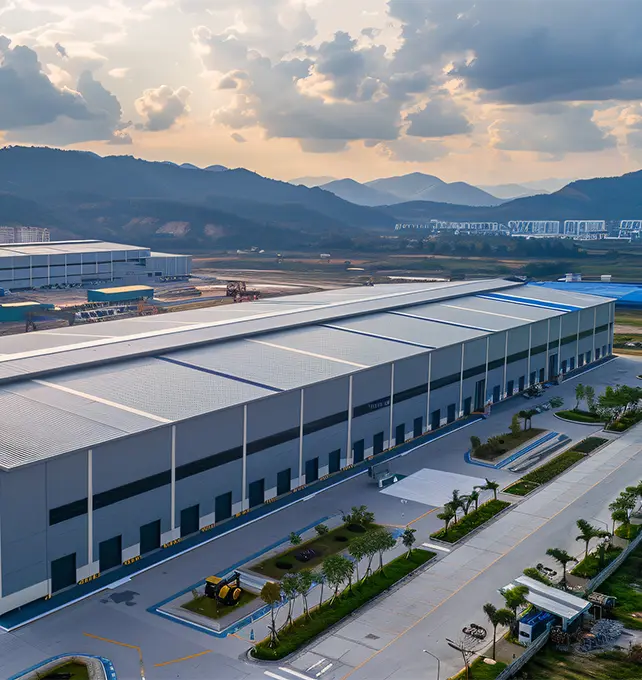
Established on July 15, 2003, and headquartered in Baoji City, Shaanxi Province—sharing the same industrial cluster with BOMCO—Baoji Mengtai Petroleum Machinery (MTPM) is a leading manufacturer of petroleum machinery and components. We were among the first local enterprises in our industry to begin exporting products globally, engaging in comprehensive import and export operations.
For over two decades, we have dedicated ourselves to manufacturing high-grade petroleum machinery and supplying reliable replacement components and technical support to drilling contractors, energy service groups, and oilfield equipment traders worldwide. Our engineering team ensures that every piece of hoisting equipment, traveling block, crown block sheave, and mud pump spare part matches or exceeds OEM specifications.
How Twin Sheave Blocks perform across challenging global oilfields and the upcoming technological shifts in hoisting equipment.
Different geographies present unique environmental challenges that directly affect the operation of twin sheave blocks. We custom-engineer our hoisting sheaves to match these demands:
Marine environments require high corrosion resistance due to continuous salt spray. MTPM utilizes specialized marine-grade coatings, electroless nickel plating in sheave grooves, and heavy-duty contact seals to prevent seawater ingress from degrading the internal bearing lubricant.
In desert operations, windblown sand acts as a highly abrasive dust. Standard seals can fail, allowing fine silica to mix with grease. We utilize multi-stage labyrinth seals and high-viscosity synthetic grease to prevent particulate contamination.
Extreme cold can cause steel to become brittle. MTPM uses impact-tested structural steels with Charpy V-notch values verified down to -40°C. This ensures that the sheaves can handle sudden shock loads without brittle fracture.
As drilling rigs evolve toward automated systems and higher safety requirements, sheave design is changing as well. The MTPM research division focuses on several key areas:
Combining heavy industry clusters with in-house processing to deliver competitive lead times and high reliability.

We manage our entire design and manufacturing process in-house, focusing on precision mud pump parts and hoisting sheave fabrication. Holding 16 Chinese patents and multiple API licenses, we control quality from raw steel selection to final run-out testing.
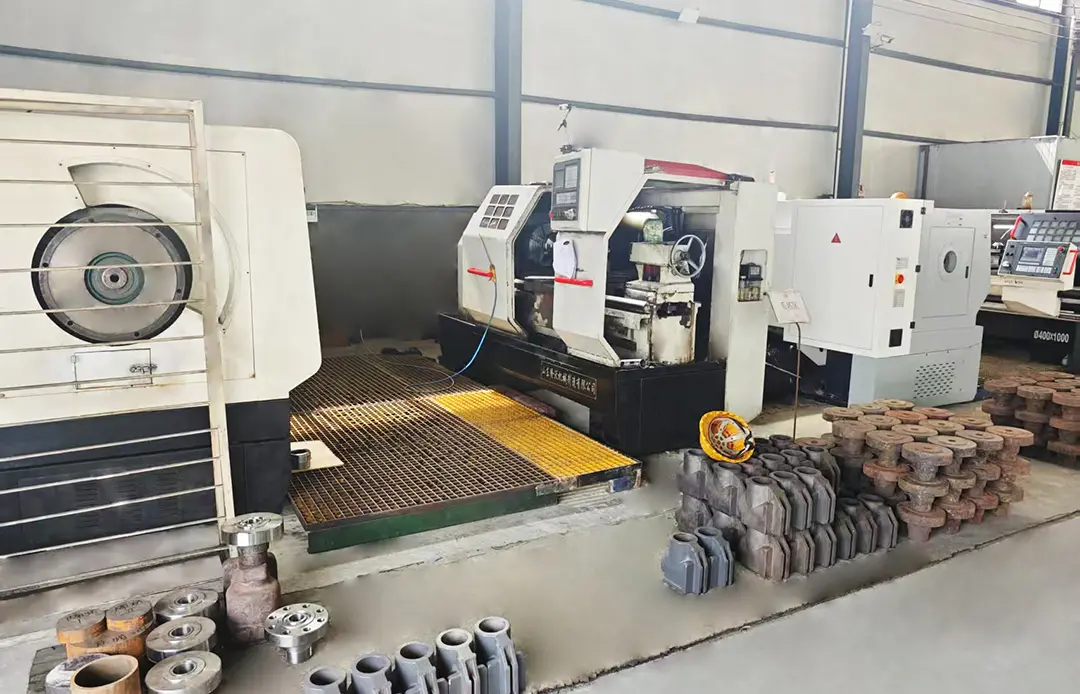
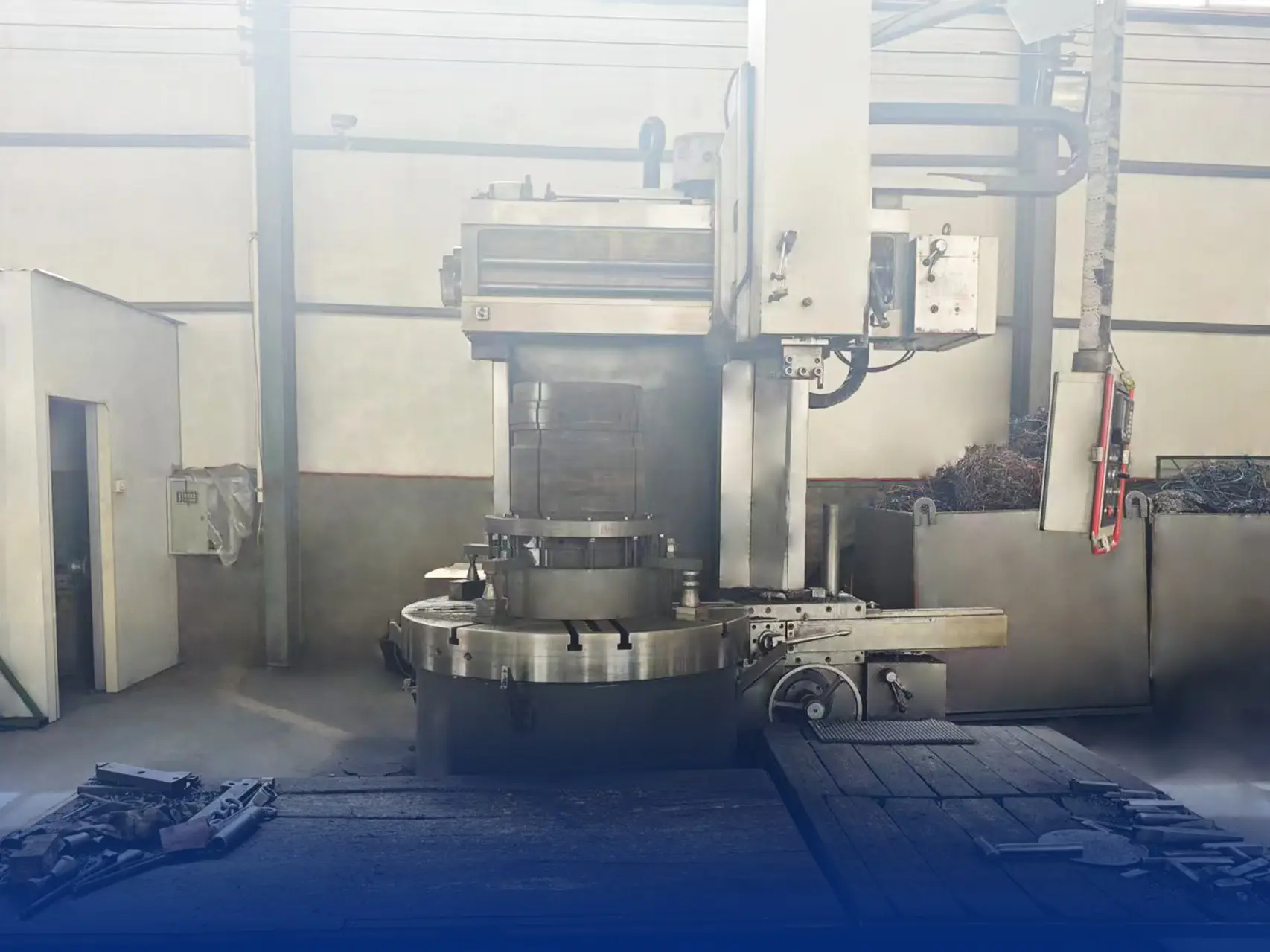
Our 5,000-square-meter machining workshop operates over 80 advanced CNC machines, large-diameter vertical lathes, and testing systems. This facility allows us to manufacture custom sheaves up to 60 inches in diameter with high structural accuracy.
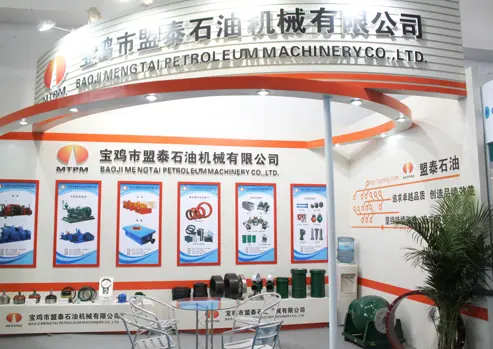
As an approved supplier for BOMCO, LS Group, and Honghua, our products are widely used by CNPC and Sinopec drilling teams. We maintain regular exports to North America, the Middle East, Central Asia, Europe, and Africa.
MTPM maintains API 7K, API 8C, and API 11D1 licenses, ensuring compliance with international oilfield specifications.
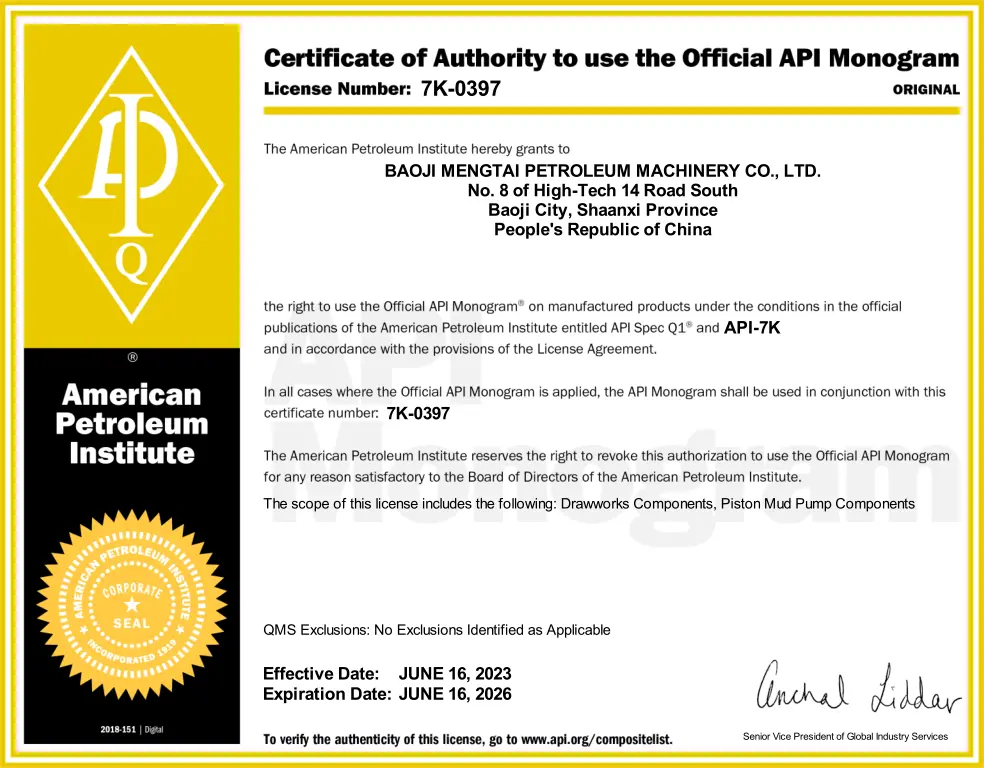
API 7K Monogram License
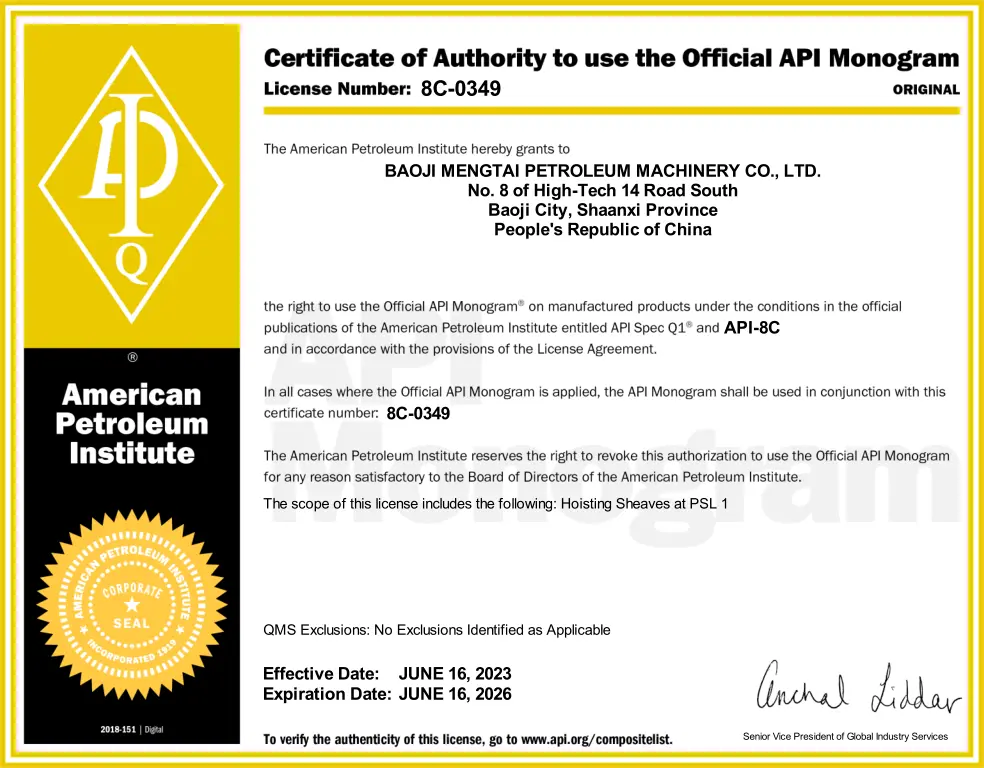
API 8C Monogram License
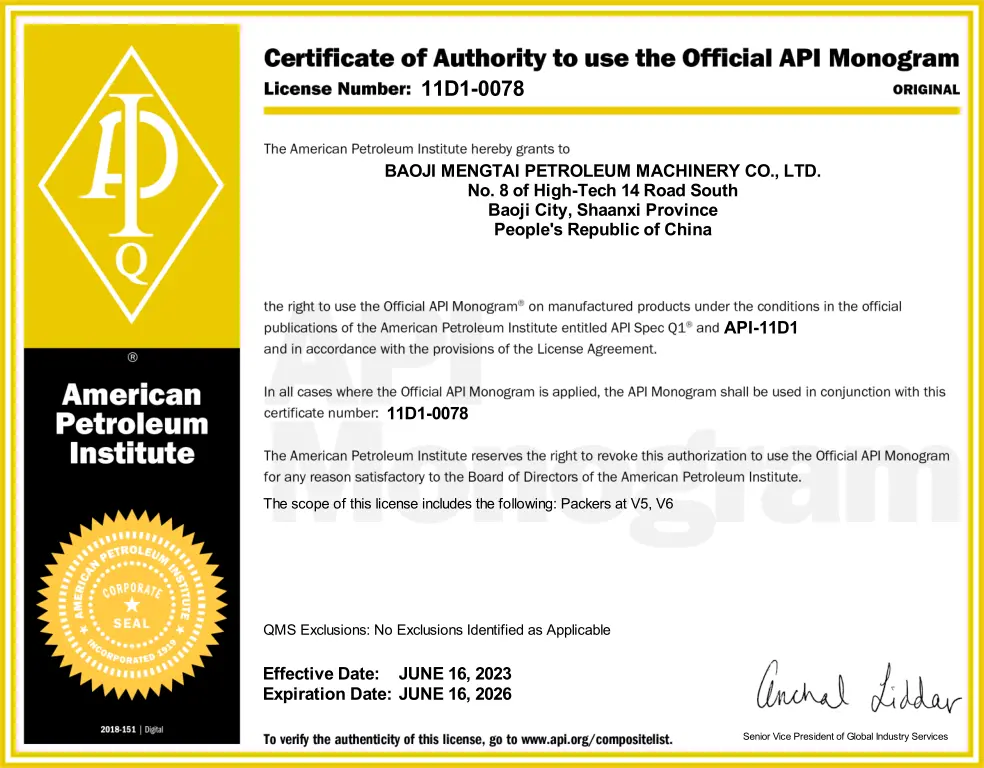
API 11D1 Monogram License

Authorized API Monogram Holder since 2014
Take a virtual look at our standardized semi-finished warehouses and high-precision CNC machining sections.
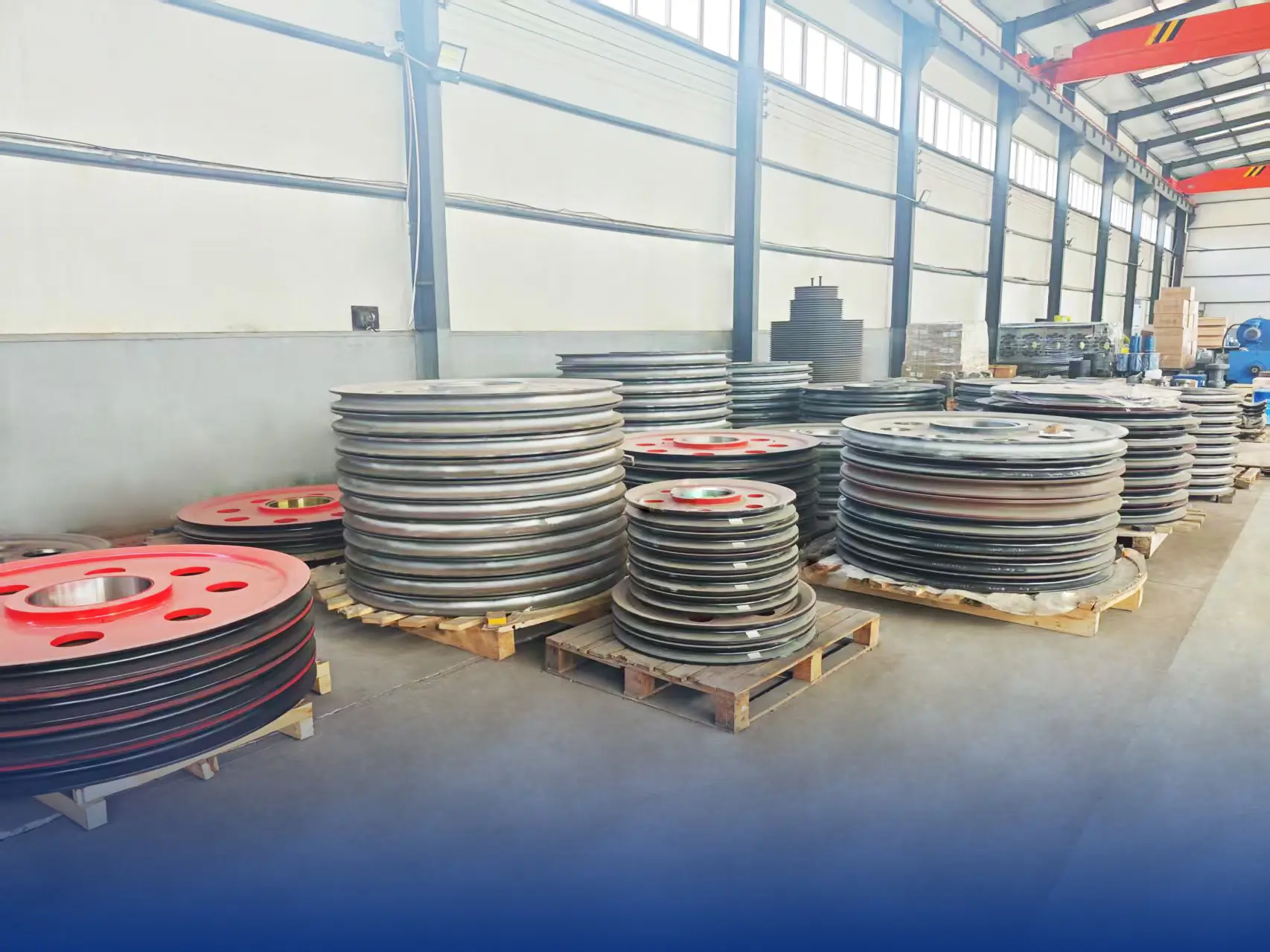
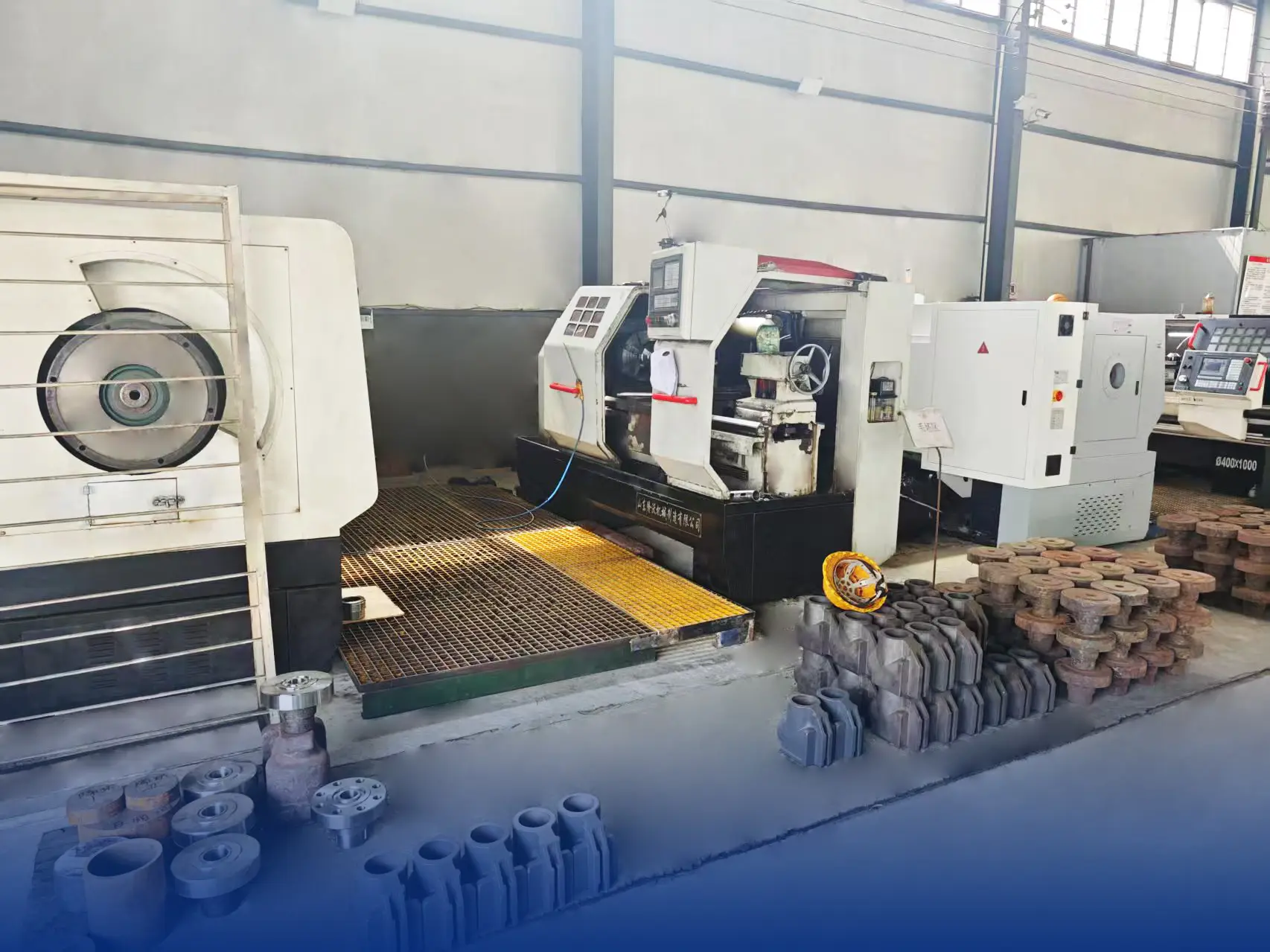
Providing fully interchangeable components for leading drilling rig manufacturers and global oilfield operators.








Find answers to common technical queries on design configurations, API certifications, maintenance, and ordering procedures.
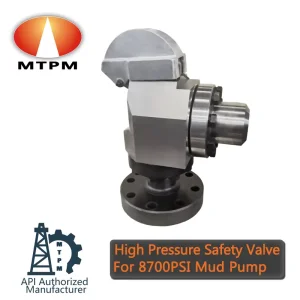
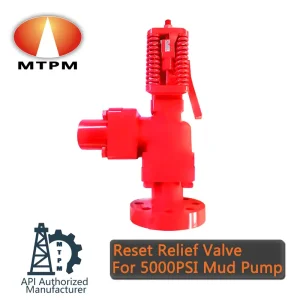
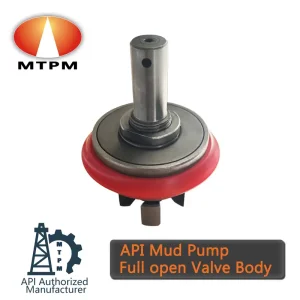
Explore our forged steel sheaves, high-pressure relief safety valves, and fluid end parts designed for heavy-duty drilling rigs.
 MTPM RigParts