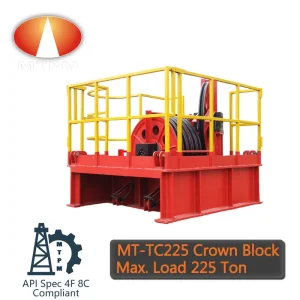
As the West African MSGBC (Mauritania, Senegal, Gambia, Guinea-Bissau, and Guinea-Conakry) basin gains global prominence, Guinea-Bissau is emerging as a critical frontier for offshore oil and gas exploration. The demand for reliable, high-specification drilling rig components—specifically the crown block and hoisting systems—has never been higher. For international drilling contractors and local energy stakeholders in Bissau, the integrity of the crown block is non-negotiable, acting as the stationary centerpiece of the drilling mast that bears the entire load of the drill string.
Historically focused on artisanal sectors, Guinea-Bissau’s industrial horizon is shifting toward the Atlantic. With significant blocks such as Sinapa and Esperança under active exploration, the operational environment is characterized by high salinity, deep-water challenges, and a lack of local heavy-manufacturing facilities. This necessitates a partnership with global manufacturers like Baoji Mengtai Petroleum Machinery (MTPM), who can provide API-certified components that withstand the corrosive maritime climate of the Bissau coast.
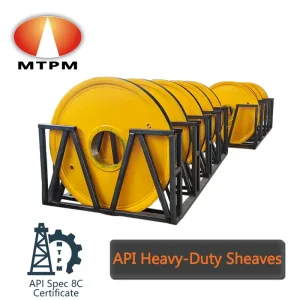
In many African drilling operations, equipment failure often stems from the use of inferior cast-iron sheaves. MTPM introduces a significant Information Gain for procurement officers: Forged steel sheaves offer a 30% higher fatigue resistance and 50% better wear characteristics in the grooves compared to traditional casting. For a rig operating 100km off the coast of Bissau, where logistics for replacement parts can take weeks, the durability of forged components translates directly into millions of dollars in saved downtime.
Our crown block sheaves for Guinea-Bissau utilize specialized thermal spray aluminum (TSA) or high-build epoxy coatings to combat the extreme salinity of the West African Atlantic coast, extending service life by 200%.
With 80+ advanced CNC machines, we ensure that every sheave groove is machined to the exact API 8C tolerances, reducing wire rope wear—a critical factor for deep-water exploration in the MSGBC basin.
MTPM is moving toward a tech-driven future where crown block assemblies are mapped with digital twins, allowing Guinea-Bissau operators to predict maintenance needs based on real-time load cycles.
The crown block is the stationary part of the block and tackle system. For Guinea-Bissau's offshore rigs, we provide the MT-TC Series Crown Block, designed for load capacities ranging from 1350kN to 9000kN. Each unit features a main sheave cluster, fast line sheave, and deadline sheave, all mounted on a heavy-duty beam frame. The sheaves are made of high-quality forged alloy steel, with grooves quenched to a hardness of HRC 45-50 to minimize wire rope friction.
Beyond the hardware, our solution includes Localization Support. We understand the regulatory framework of Guinea-Bissau's Ministry of Natural Resources and ensure all documentation meets both API international standards and local maritime safety audits.
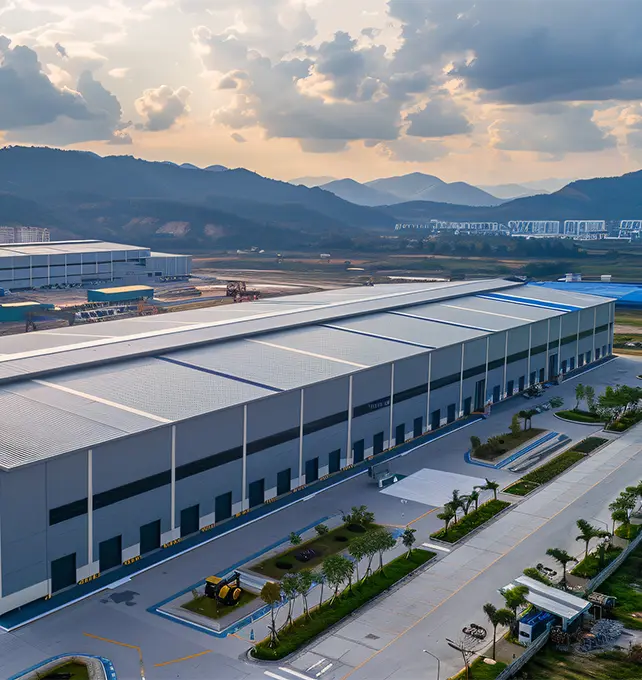
Established in 2003 in Baoji, Shaanxi—the heart of China's petroleum machinery industry—Baoji Mengtai Petroleum Machinery Co., Ltd. (MTPM) has evolved from a local manufacturer into a global Tier-1 supplier for energy giants. Our proximity and historical collaboration with BOMCO have ingrained a culture of precision and reliability into our DNA.
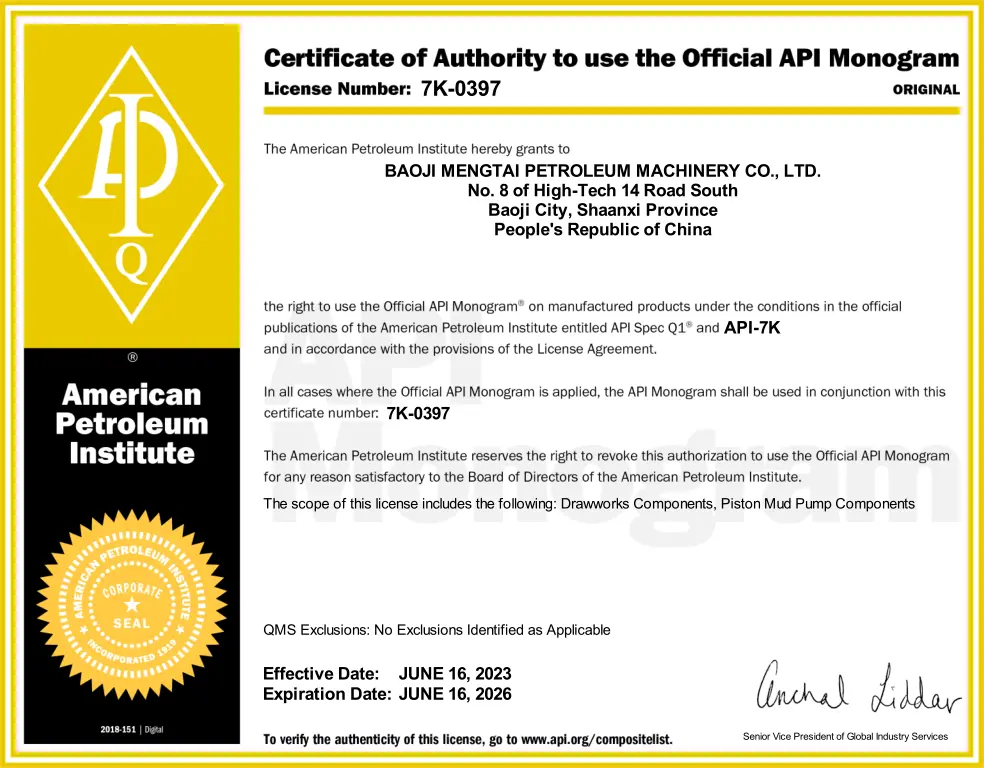
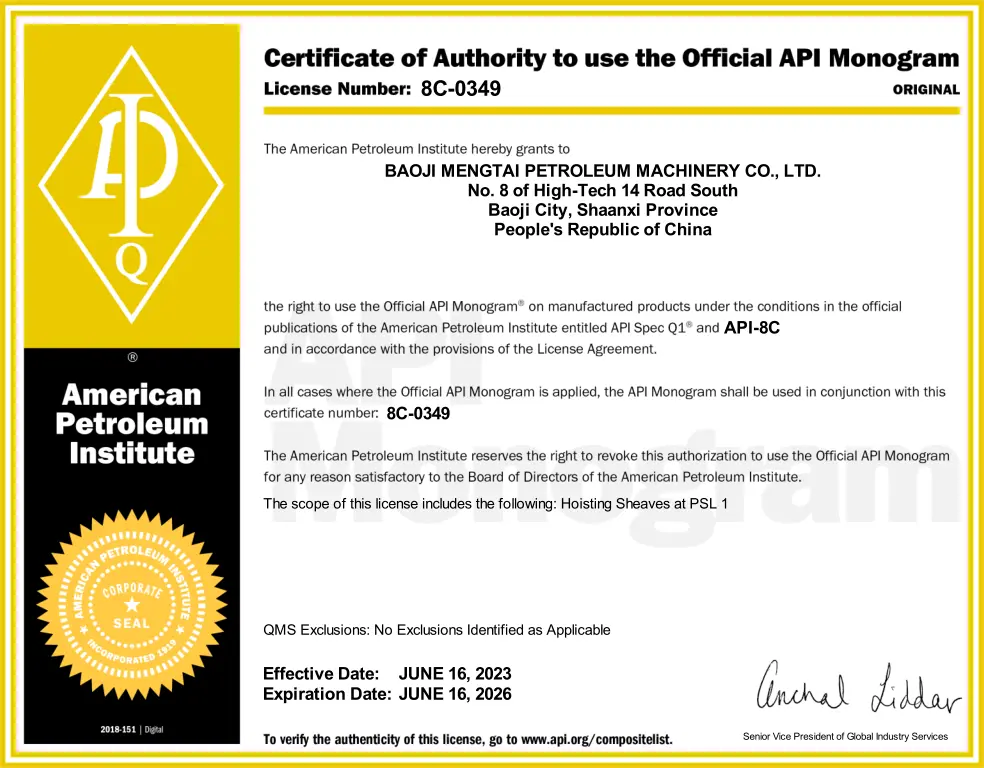
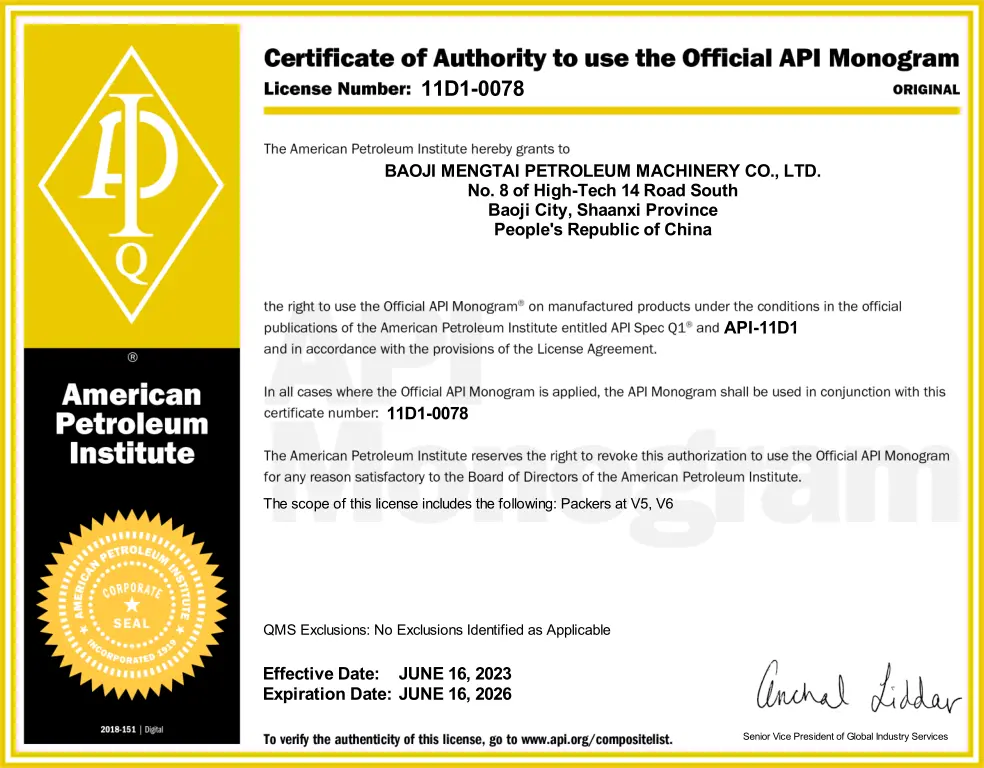
As an API Authorized Manufacturer (API-7K, 8C, 11D1), we serve the world’s most demanding oilfields, including those in North America, the Middle East, and now, the emerging markets of West Africa. Our products are 100% interchangeable with original brands like BOMCO, Honghua, and NOV, providing Guinea-Bissau operators with a cost-effective yet uncompromising alternative to OEM parts.
In the global petroleum market, procurement is no longer just about the lowest price; it is about Supply Chain Resilience. For drilling projects in Guinea-Bissau, the cost of a "Rig Down" scenario can exceed $500,000 per day. MTPM addresses this through a robust inventory of semi-finished goods and a dedicated export logistics team that understands the complexities of shipping to the Port of Bissau.





 MTPM RigParts